
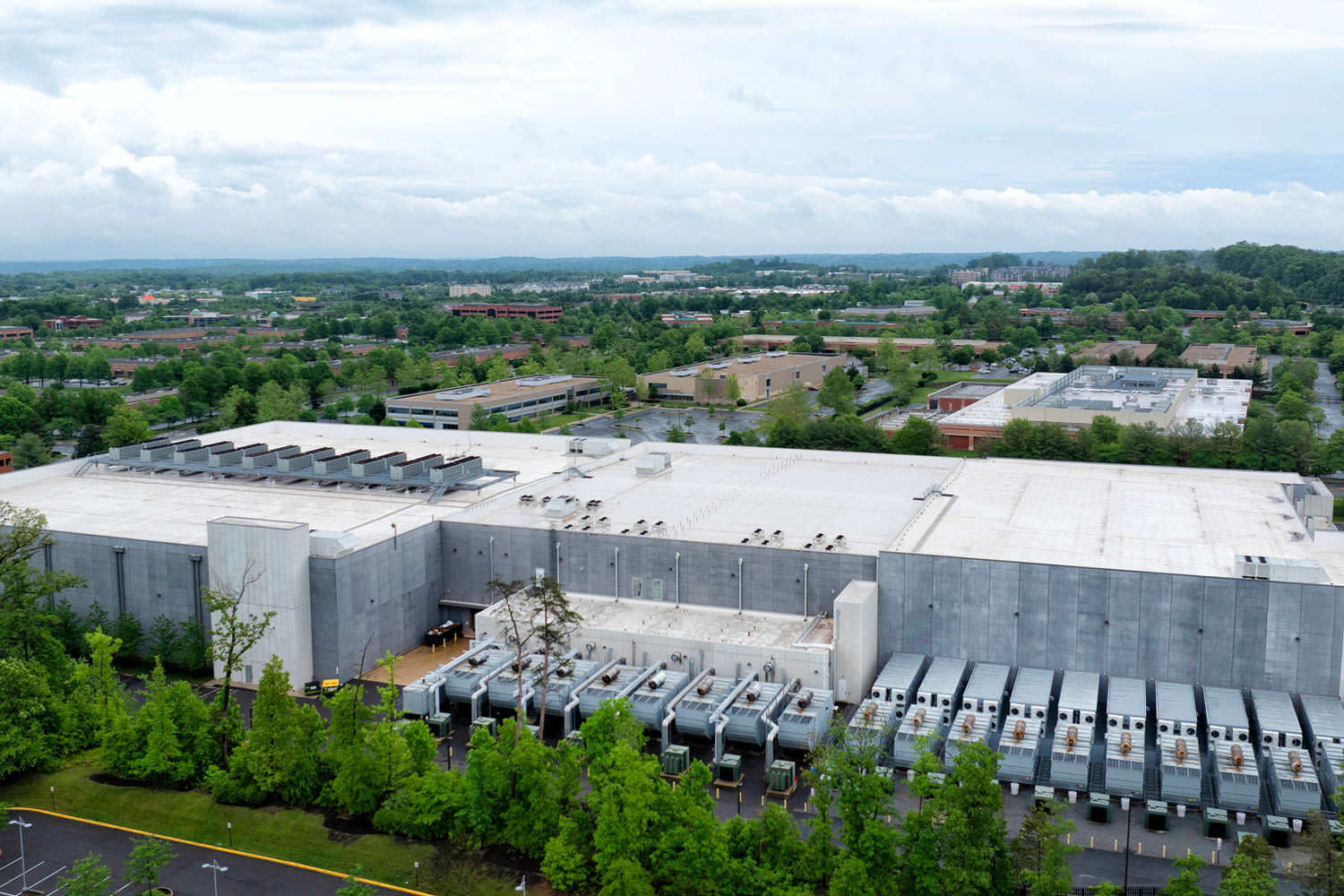
Data Center Roofing in Milwaukee, WI
Data center roofing for colocation facilities, server rooms, and mission-critical buildings throughout Milwaukee, WI.
Automotive and Mobility Supply Chain scopes are written for OEM, supplier, engineering, and mobility facilities.
Milwaukee's data center sector is centered on some of the most financially stable corporate tenants in the region. Northwestern Mutual, one of the largest life insurance companies in the United States, operates data center infrastructure at its Milwaukee headquarters campus that supports policy administration, investment management, and financial transaction processing for millions of policyholders. The Wisconsin Energy Group's computing infrastructure supports grid management systems for utility operations across the state. Kforce and other IT staffing and technology companies in Milwaukee's growing tech corridor have expanded their computing footprints as the city works to position itself as a regional technology hub. These facilities share a common requirement: building envelopes that perform reliably through one of the most demanding urban climates in the northern United States.
Milwaukee's position on the western shore of Lake Michigan creates a microclimate that amplifies weather severity beyond what inland Wisconsin cities experience. Lake-effect snow events can produce localized accumulations of 18–24 inches or more within hours, with loading rates that challenge roof drainage systems designed for typical snowfall patterns. The lake also moderates extreme cold somewhat — but it introduces a persistent freeze-thaw cycling environment in late winter and early spring as ice coverage on the lake varies and coastal temperatures swing around the freezing point. Commercial roofing systems in Milwaukee must be specified for this lake-effect environment, not just for average Wisconsin conditions.
Northwestern Mutual's data center operations at their Milwaukee campus operate under the rigorous facilities management standards of an insurance company that understands risk quantification at an institutional level. Their roofing specifications, inspection protocols, and contractor relationships reflect a mature risk management approach that prioritizes long-term performance and documented maintenance history over lowest initial cost. The vendors who have built relationships with facilities of this caliber are those who can demonstrate competency in documentation, quality assurance during installation, and responsive service programs that match the operational standards of the client.
Vapor management is a critical design consideration for Milwaukee data centers. The city's cold winters create strong outward vapor drive from warm, humidity-controlled data center interiors, and the high-density insulation assemblies required for energy performance in Wisconsin's climate must incorporate vapor retarders that prevent moisture accumulation within insulation layers. The consequences of a compromised vapor retarder in a Milwaukee data center roofing system are long-term: gradual degradation of insulation R-value that forces mechanical systems to work harder, and potential moisture damage to structural deck elements that can create expensive repair obligations.
Wind uplift is a significant engineering consideration for Milwaukee roofing due to the lake's fetch effect. Open water exposure to the east means wind speeds at Milwaukee data center rooftops can substantially exceed those at inland locations at the same latitude. Roofing systems must be engineered to FM Global or ASCE 7 standards for the specific wind exposure category of each building, with enhanced fastening patterns at roof perimeters and corners where uplift pressures are highest. Equipment curbs, penetration flashings, and parapet cap flashings are the most vulnerable points during high-wind events and must be regularly inspected and maintained to prevent uplift-initiated membrane failures.
The energy performance requirements for Milwaukee data centers are substantial. Wisconsin's cold climate means that building heating loads are significant, but data centers are unusual in that they generate substantial internal heat loads from computing equipment, often requiring cooling even in winter months. The roofing system's role in the thermal envelope is to prevent heat loss through the roof assembly while maintaining the vapor barrier continuity that prevents moisture damage. This requires high-performance insulation assemblies — typically R-30 or greater for new construction in Wisconsin's climate zone — with continuous coverage that eliminates thermal bridging at fasteners or structural elements.
Milwaukee's older commercial building stock includes many masonry-and-steel structures where data center tenants have occupied upper floors or converted industrial spaces for computing purposes. Roofing these structures presents challenges not encountered in purpose-built data center construction: existing roof decks may have inadequate slope for modern drainage standards, structural capacities may limit insulation thickness, and penetration details may have been cut into the roof deck by previous tenants in ways that require remediation before new membrane installation. Contractors experienced in Milwaukee's adaptive reuse market understand how to evaluate existing conditions and develop roofing solutions that achieve data center performance standards within the constraints of historic building structures.
The Wisconsin Energy Group's computing infrastructure for grid management creates a unique category of critical facility — one that combines the operational continuity requirements of a data center with the regulatory environment of a utility. Building envelope failures that affect utility computing systems can have cascading implications for grid stability that go beyond the immediate facility. Roofing contractors serving utility computing facilities must understand the heightened consequence environment and be prepared to operate under utility safety protocols that may differ from standard commercial construction practices.
Preventive maintenance programs for Milwaukee data center roofs should address post-lake-effect events with inspections that verify membrane condition and drainage system integrity following heavy loading events. Spring thaw inspections are particularly important in Milwaukee, where accumulated roof snow melts rapidly and drainage systems that have been partially blocked by ice must handle large volumes of meltwater in short timeframes. Contractors who provide year-round maintenance services rather than single annual inspections are better positioned to identify and address the dynamic roofing challenges of Milwaukee's lake-effect climate.
As Milwaukee continues to build its technology sector identity, attracting data-intensive businesses and expanding corporate data center footprints, the commercial roofing contractors who develop deep expertise in mission-critical building envelope performance will find growing demand for their services. The clients in this market are sophisticated, the projects are technically demanding, and the service relationships that emerge from doing the work well are durable. Milwaukee's data center roofing market rewards competence and punishes cut-rate approaches in ways that are visible to the institutional clients whose facilities keep the city's economy running.
Frequently Asked Questions: Data Center Roofing in Milwaukee, WI
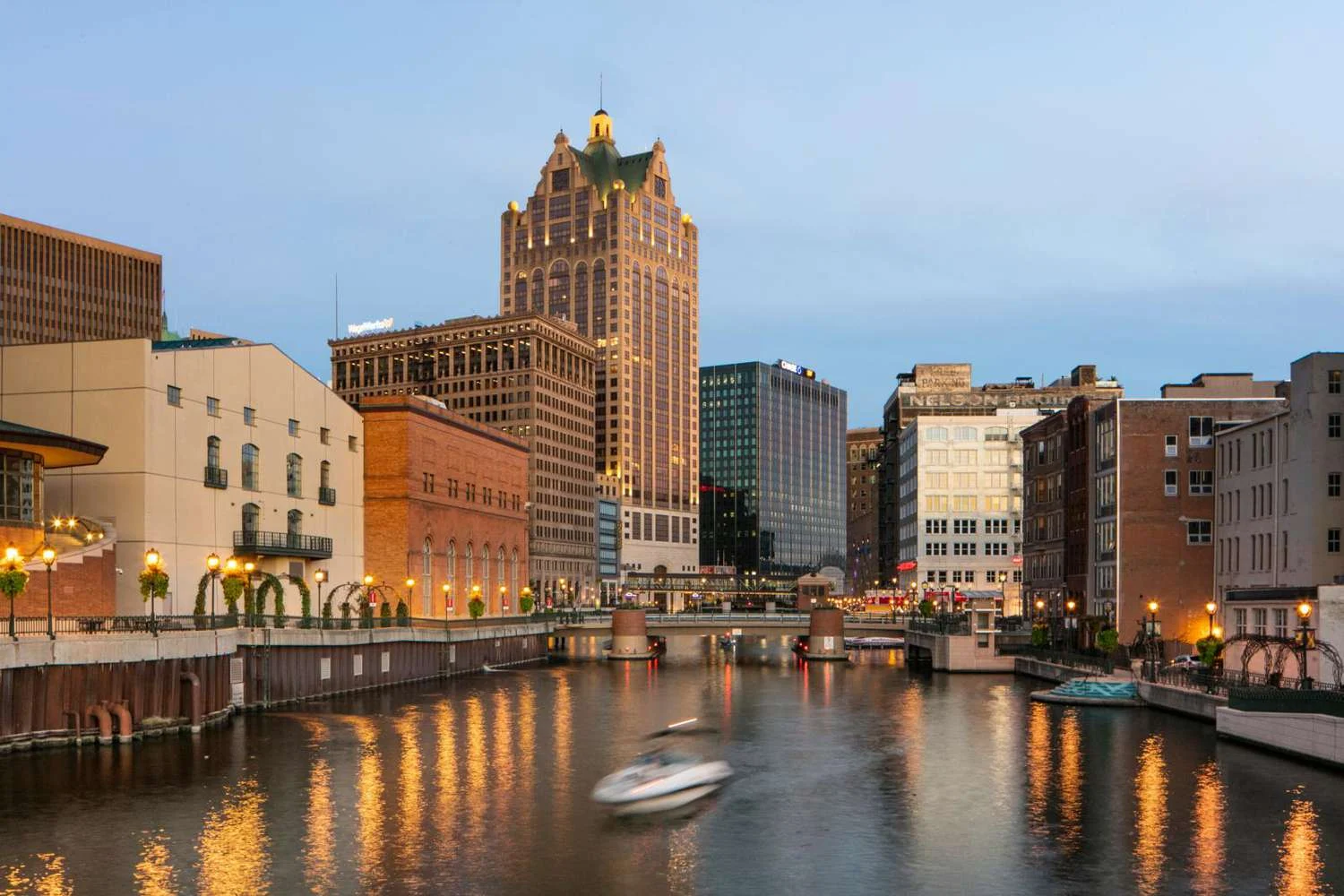
Share the roof address, current issue, photos if available, and any access limits. The response can be framed around inspection, repair, maintenance, coating review, or replacement planning.
Related roof pages
DST Roofing Services in Milwaukee, WI
Commercial roofing for Delaware Statutory Trust (DST) properties and 1031 exchange investors throughout Milwaukee, WI.

General Contractors
General Contractors for Milwaukee commercial buildings. Inspection, documentation, repair, maintenance, and replacement planning.
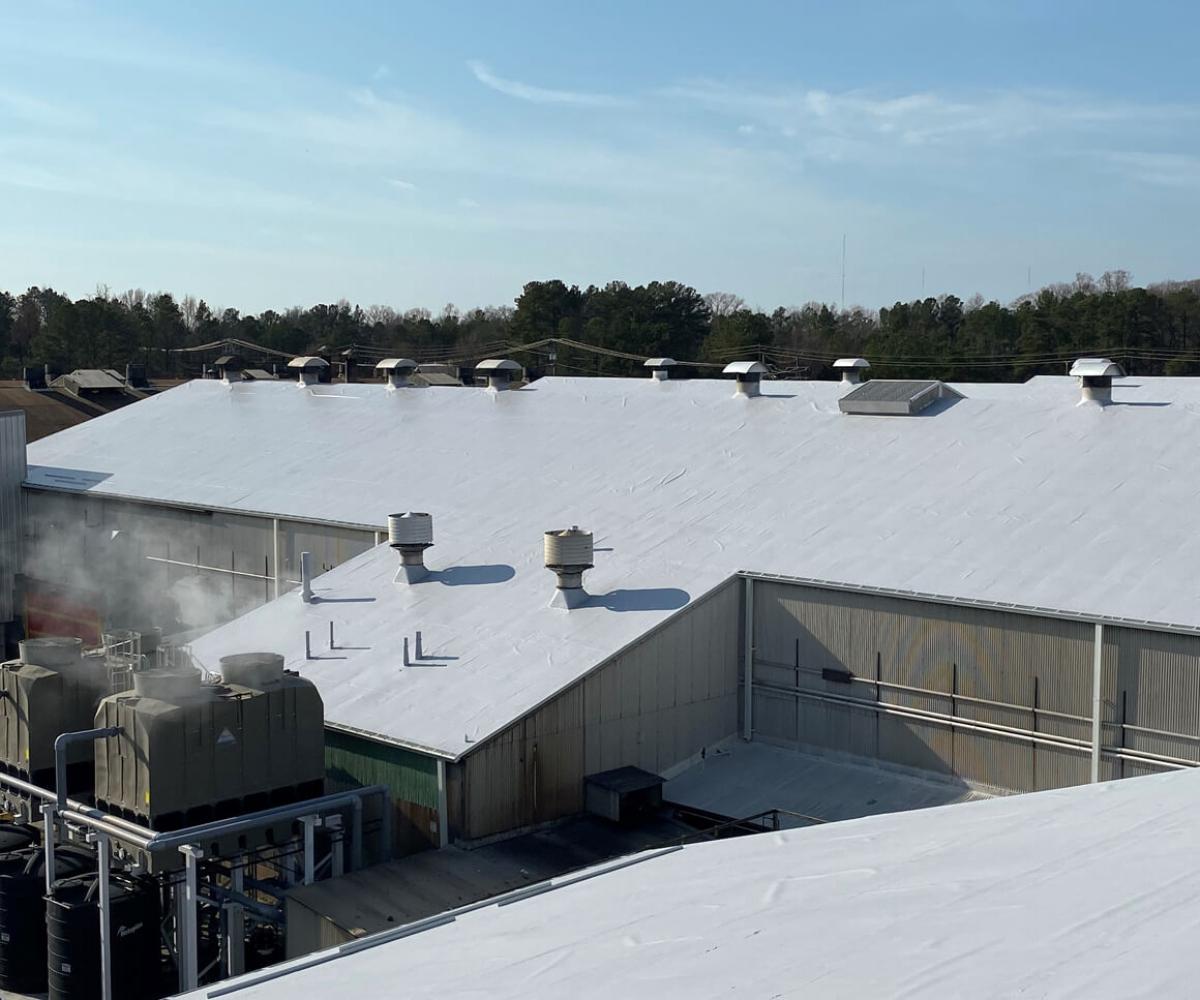
Manufacturing Operators
Manufacturing Operators for Milwaukee commercial buildings. Inspection, documentation, repair, maintenance, and replacement planning.
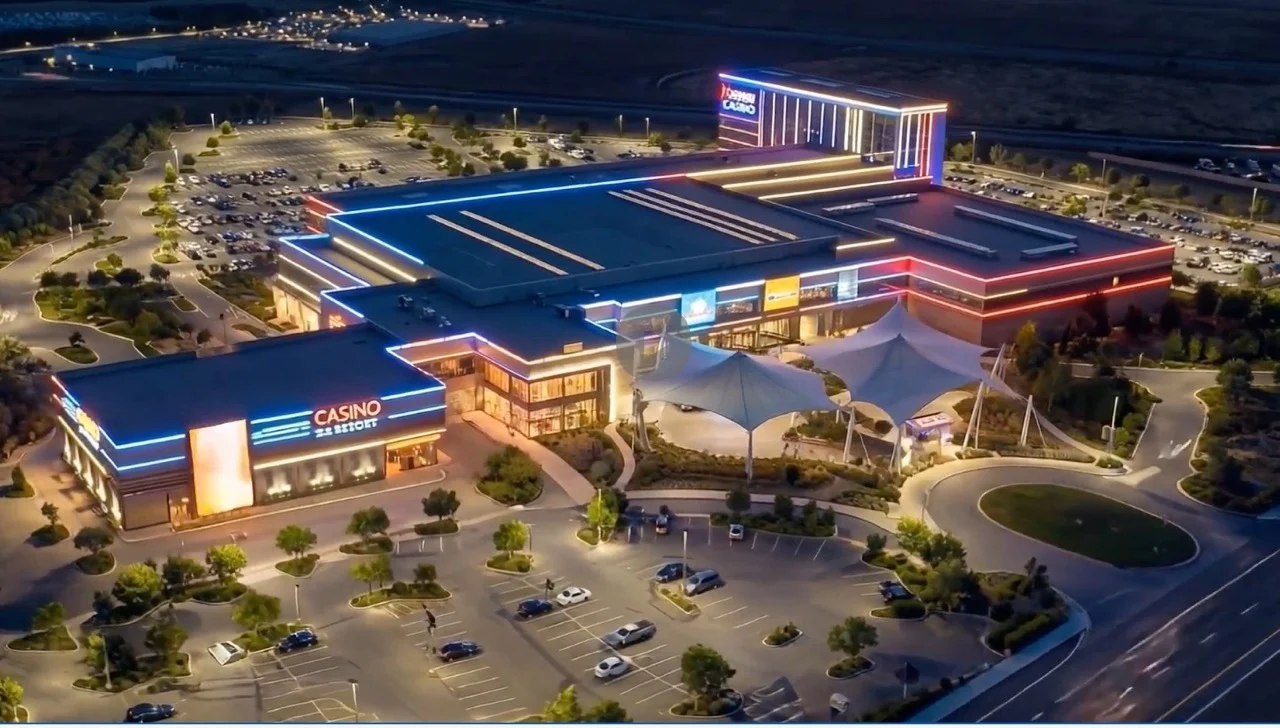
Hospitality Groups
Hospitality Groups for Milwaukee commercial buildings. Inspection, documentation, repair, maintenance, and replacement planning.
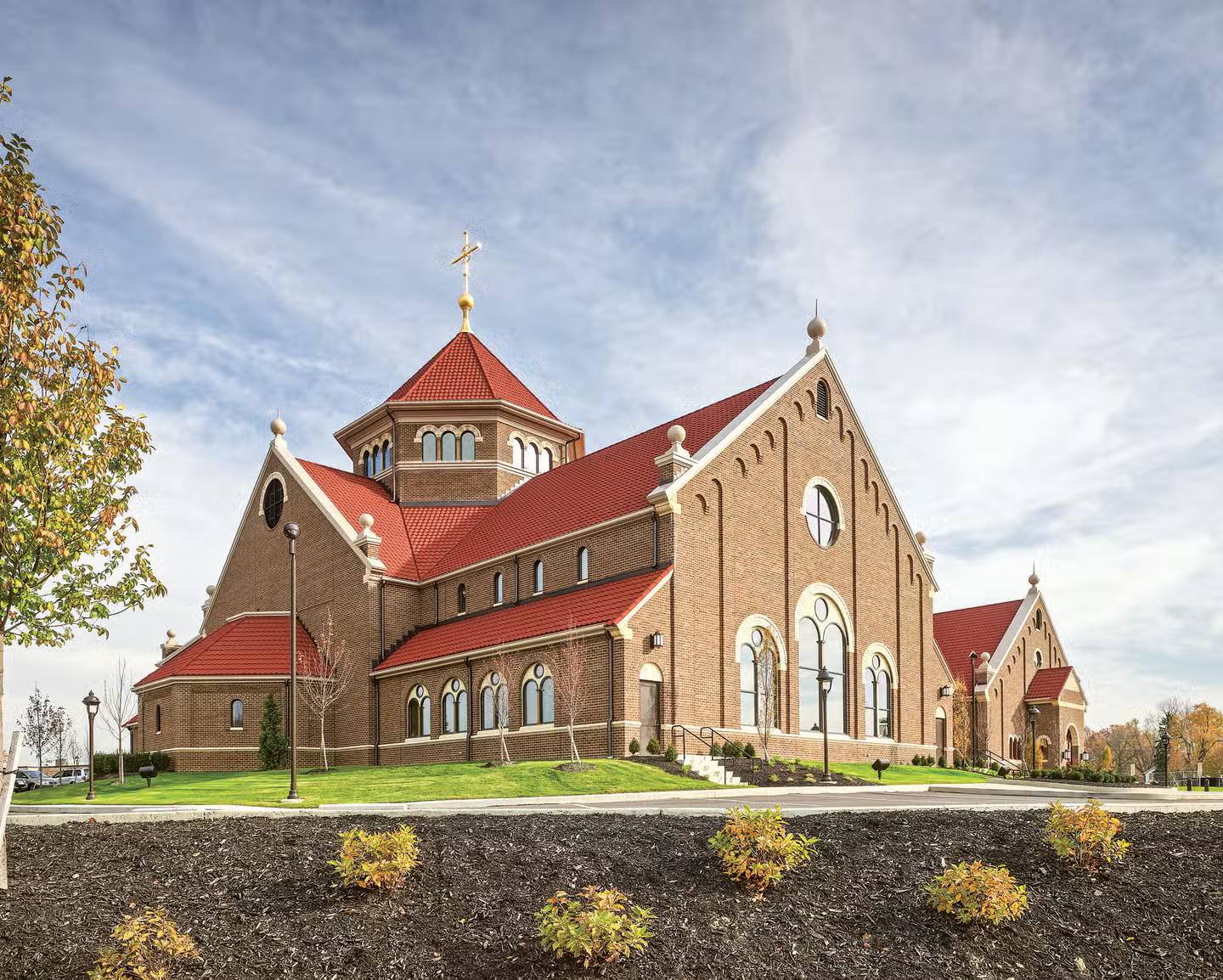
Religious Organizations
Religious Organizations for Milwaukee commercial buildings. Inspection, documentation, repair, maintenance, and replacement planning.
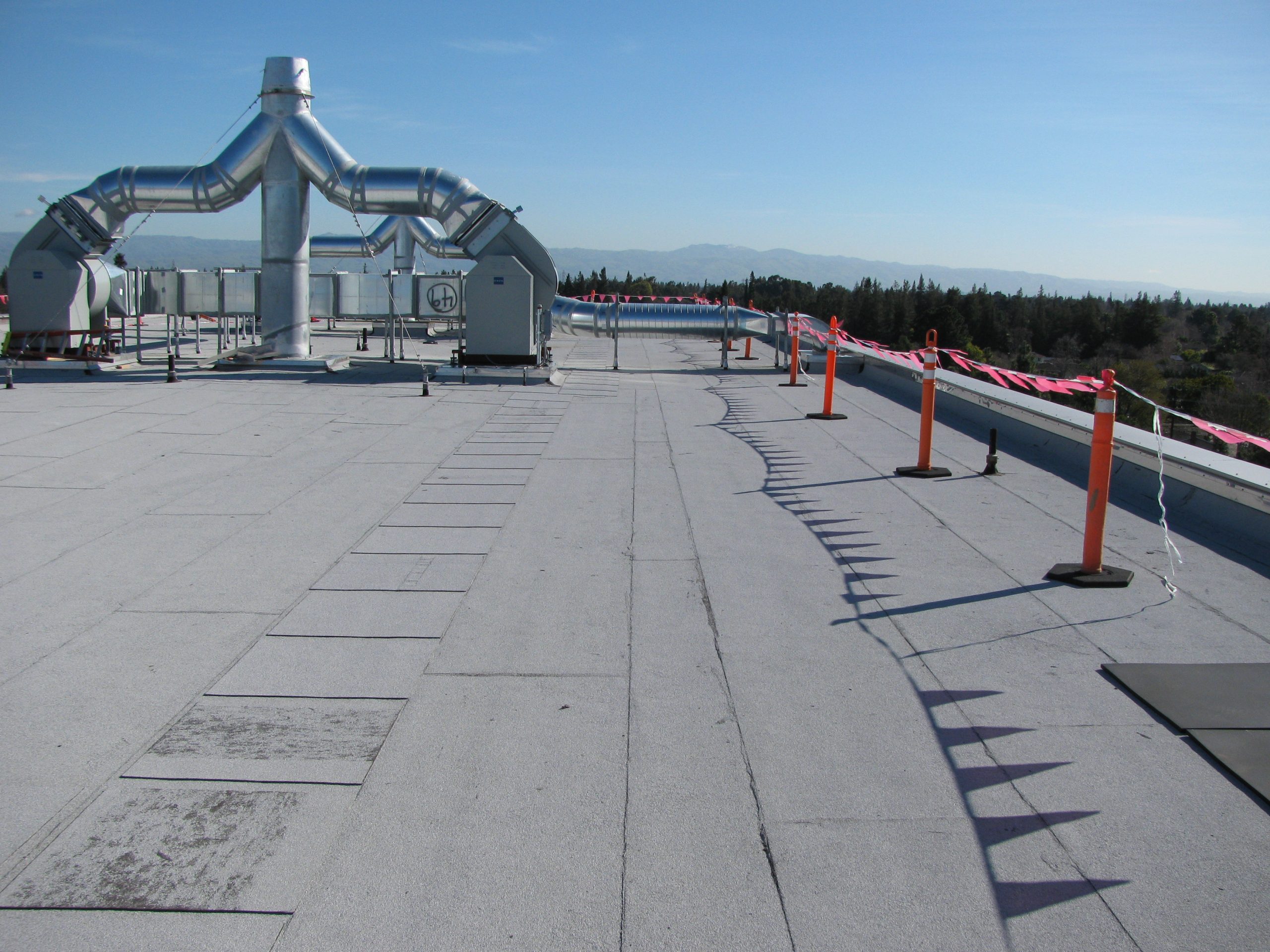
Occupied Building Re-Roofing in Milwaukee, WI
Occupied Building Re-Roofing for commercial buildings across Milwaukee.
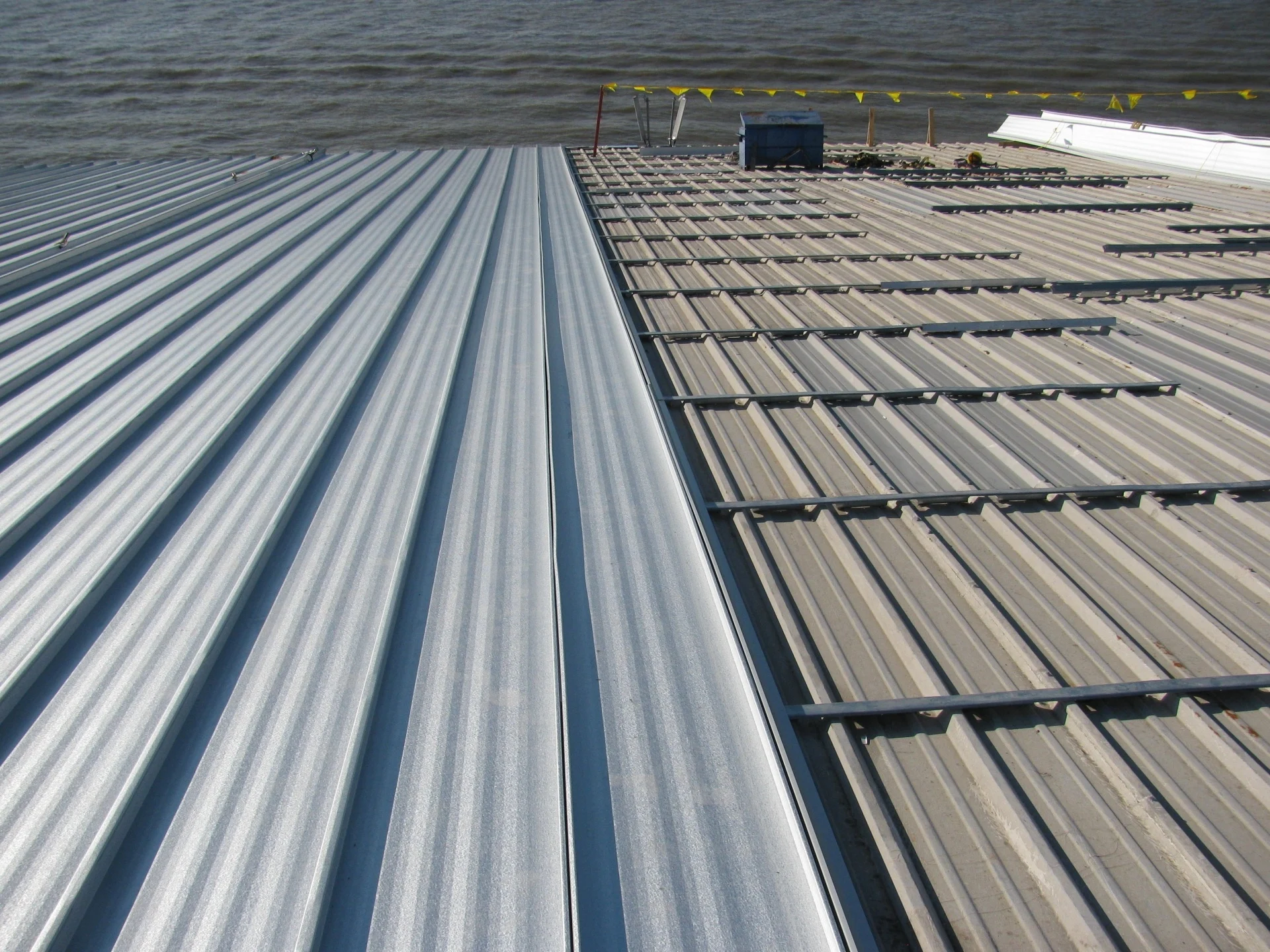
Roof Recover and Overlay in Milwaukee, WI
Roof Recover and Overlay for Milwaukee commercial buildings. Inspection, documentation, repair, maintenance, and replacement planning.
Industrial Roofing in Milwaukee, WI
Industrial Roofing for manufacturing facilities, warehouses, and industrial buildings throughout Milwaukee, WI.