
Drone & Infrared Roof Inspection in Milwaukee, WI
Aerial and thermal drone roof inspection in Milwaukee, WI: infrared moisture mapping on large low-slope roofs with no foot traffic, FAA Part 107 flights, LAANC near Mitchell, and claim-ready geotagged reports.
Inspecting Acres of Membrane With Nobody on the Roof
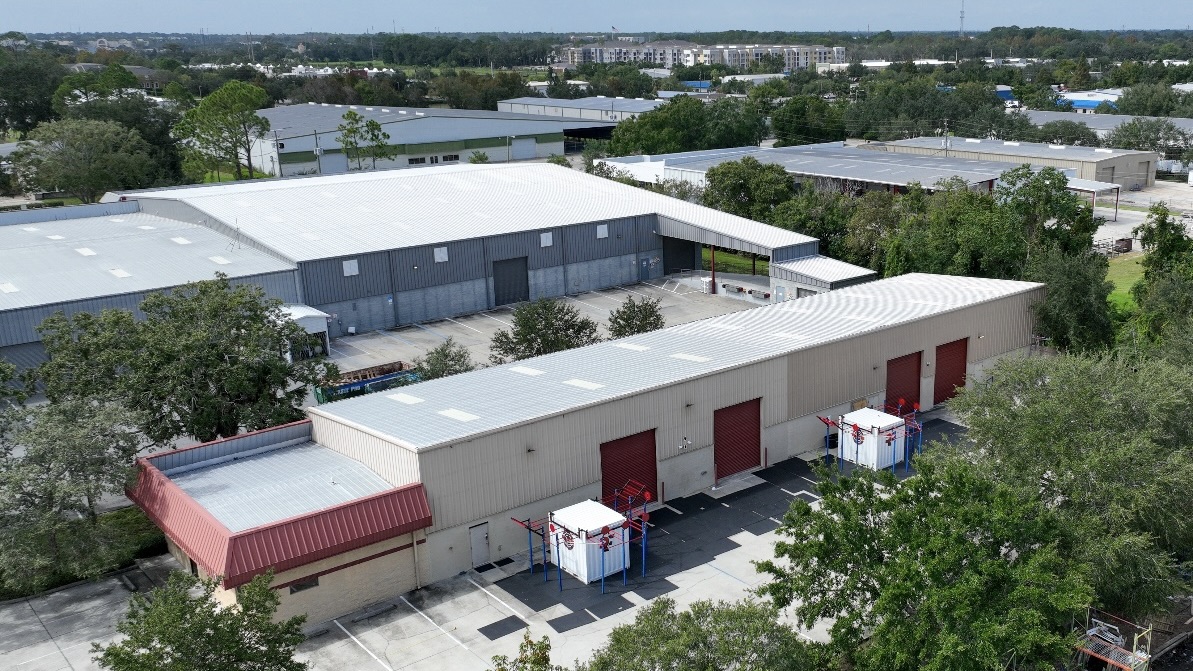
The big distribution buildings off I-94 in Oak Creek run three and four acres of low-slope membrane under one parapet. Inspecting a roof that size the old way means two people on the surface for most of a day, heads down, hoping to catch a split lap or a soft spot before water reaches the deck. We fly them instead. A drone carrying a 4K optical camera and a radiometric thermal sensor sweeps the entire field at a fixed altitude in a fraction of that time, and it does it without setting boots on a membrane we have not yet confirmed is safe to walk. On a roof that may already be compromised, the lightest load you can apply is none.
That advantage shows up across Milwaukee's commercial map. The warehouses in the Menomonee Valley, the big-box retail along Mayfair Road in Wauwatosa, the multi-building campuses ringing the airport in the far south side — these are precisely the roofs where a walkover is slow, patchy, and a liability. An aerial pass produces a complete, geotagged record of every drain basin, every penetration, every seam and lap in one disciplined grid. A ponding corner in a far bay does not get skipped because it was a long walk from the roof hatch.
The Infrared Camera Finds Water the Eye Cannot
The most valuable thing a drone brings to a roof is the thermal camera, and it earns that on physics alone. Insulation that has taken on moisture stores and releases heat differently than the dry board beside it. After a sunny day, as the roof sheds its heat into the evening, the wet zones stay warm longer and glow on the infrared image while the dry field cools and goes dark. Fly during that cooldown window and the trapped moisture draws its own map — a clear outline of where water has migrated inside the assembly, even when the membrane above it looks flawless from the surface.
That single finding drives the most expensive decision an owner faces on a roof. If the infrared shows a few isolated wet pockets around failed penetrations, the answer is targeted repair and selective insulation swap-out. If it shows saturation spread across half the field, the answer is tear-off, because no coating and no recover board belongs on top of waterlogged insulation. We have flown Milwaukee roofs where an owner held a full-replacement quote and the thermal proved barely fifteen percent was wet — and others where the surface read fine but the infrared showed the assembly was done. The scope gets written on evidence, not on a hunch from the hatch.
Flying Legally and Safely Over Milwaukee
Commercial drone work is regulated, and we stay inside the lines. Our flights run under the FAA Part 107 rule that governs commercial small-UAS operation, with a certificated remote pilot at the controls. A large share of Milwaukee's commercial real estate sits inside the controlled airspace around Milwaukee Mitchell International, and flying there legally means securing LAANC authorization for the relevant altitude grid before the aircraft ever leaves the ground. We pull that authorization, confirm the parcel is clear of any temporary restriction, and brief the pilot on the building's specific hazards before launch.
On the ground we set a perimeter, hold the aircraft within visual line of sight, and respect the wind — gusts coming in off Lake Michigan can turn a lakefront or near-shore flight into a no-go on a given afternoon, and we would rather reschedule than fight a crosswind over a tenant's roof. The dividend for doing it by the book is that no one is exposed to a fall on a wet or steep surface, and we still come away with the full data set without a person leaving the parking lot.
Reports an Adjuster Can Work From
Wisconsin draws its share of hail and straight-line wind, and after a storm the burden of proving what happened falls on the property owner. Drone documentation is built for exactly that. We deliver a geotagged photographic report that pins hail bruising and its density across the field, marks where wind lifted or peeled membrane and edge metal, and captures damage to rooftop units, flashing, and coping. Because every frame carries its own location, an adjuster can review the entire roof remotely and tie each finding to a specific spot on the building rather than taking a contractor's word for it.
That format lines up with what commercial property carriers expect, and it compresses the claim timeline. For an owner near the 30th Street corridor or out in Wauwatosa staring down a filing deadline, we can turn a post-storm documentation package fast — often within a day or two of a significant event — and push those flights ahead of routine inspections. If the claim is later contested, dated imagery located to the square foot is the kind of record that ends the argument instead of feeding it.
Sharper Documents Before You Reroof
Aerial inspection pays off at the front end of a replacement too. Before we write a reroof specification, a flight confirms the true roof area, locates every penetration and equipment curb, and records existing conditions to scale. When the construction documents reflect what is genuinely up there instead of assumptions pulled off decades-old as-builts, bids come in tighter and change orders during construction thin out. Fewer surprises when the old membrane peels back means fewer surprises on the final invoice.
We also use repeat flights to establish a maintenance program. An annual aerial baseline lets us track how a roof ages year over year, catch a developing fault while it is still a cheap repair, and hand the owner a defensible condition record for budgeting and for any future sale. A roof that gets looked at on a schedule rarely surprises anyone.
Drone Roof Inspection Questions We Hear in Milwaukee
How does a drone inspection stack up against a walkover?
A drone sweeps the whole roof systematically at a fixed altitude and leaves a complete, geotagged photographic record without the foot traffic that wears membranes and creates liability on an unknown roof. It earns its keep most on large low-slope roofs where a manual walkover eats hours and still misses ponding corners. Thermal moisture mapping simply is not practical on foot across acres of membrane — it needs the even coverage only a flight delivers.
Can infrared really pinpoint trapped moisture?
Yes, flown in the right window. The standard is to image during the evening cooldown after a sunny day: wet insulation holds heat longer than the dry board around it and reads as a warm signature on the infrared. The resulting moisture map is reliable enough to drive the call between selective repair and full tear-off, which on a large roof can be a difference of hundreds of thousands of dollars.
Are you cleared to fly over our building?
We operate under FAA Part 107 with a certificated remote pilot. Because much of Milwaukee's commercial property sits in controlled airspace near Mitchell International, we secure LAANC authorization for the altitude grid before flying and confirm the site is clear of restrictions. We also hold the flight for high wind off the lake rather than risk an unstable aircraft over an occupied building.
How does the footage support an insurance claim?
We deliver a geotagged report documenting hail impact density, wind displacement, and damage to equipment, flashing, and edge metal, formatted to match what commercial carriers expect for remote review. Every image is located on the building so the adjuster can verify each finding independently. On contested claims, the dated, positioned imagery serves as supporting evidence.
How quickly can you get a drone over our Milwaukee roof?
Routine inspections are usually schedulable within a few business days. Post-storm flights for claim documentation get prioritized and can often happen within a day or two of a significant weather event, airspace and weather permitting. We confirm the turnaround and the LAANC status when you call.

Share the roof address, current issue, photos if available, and any access limits. The response can be framed around inspection, repair, maintenance, coating review, or replacement planning.
Related roof pages
Architectural Sheet Metal in Milwaukee, WI
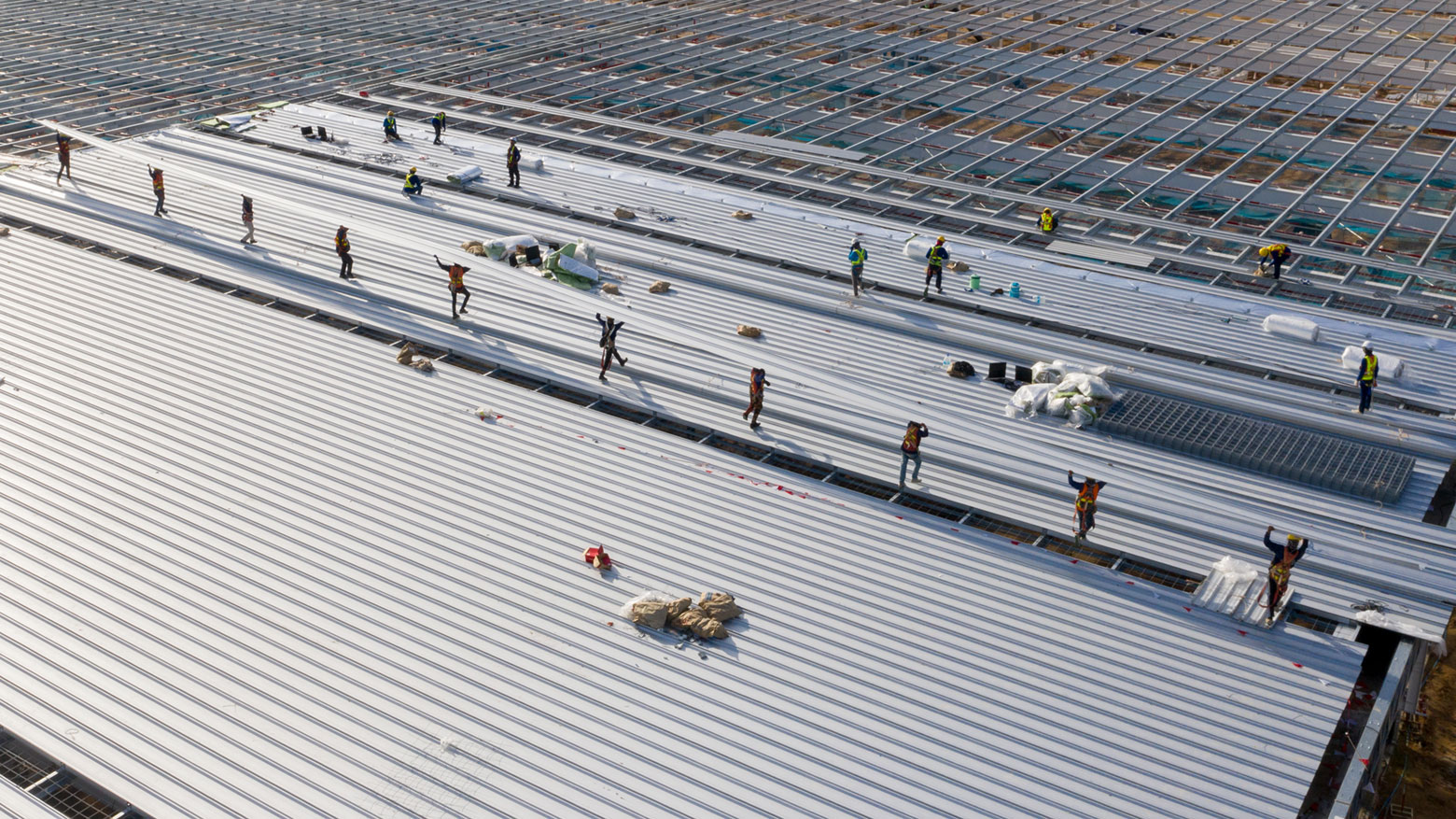
Custom copings, fascia, and edge metal fabricated to suit older Milwaukee facades and the wind coming off Lake Michigan, with profiles detailed so seams shed meltwater instead of trapping it.

Auto Dealership Roofing in Milwaukee, WI
Showrooms and service bays stay open while the roof is addressed, which matters when a January thaw sends water over the sales floor at a busy Milwaukee dealership.
Built-Up Roofing in Milwaukee, WI
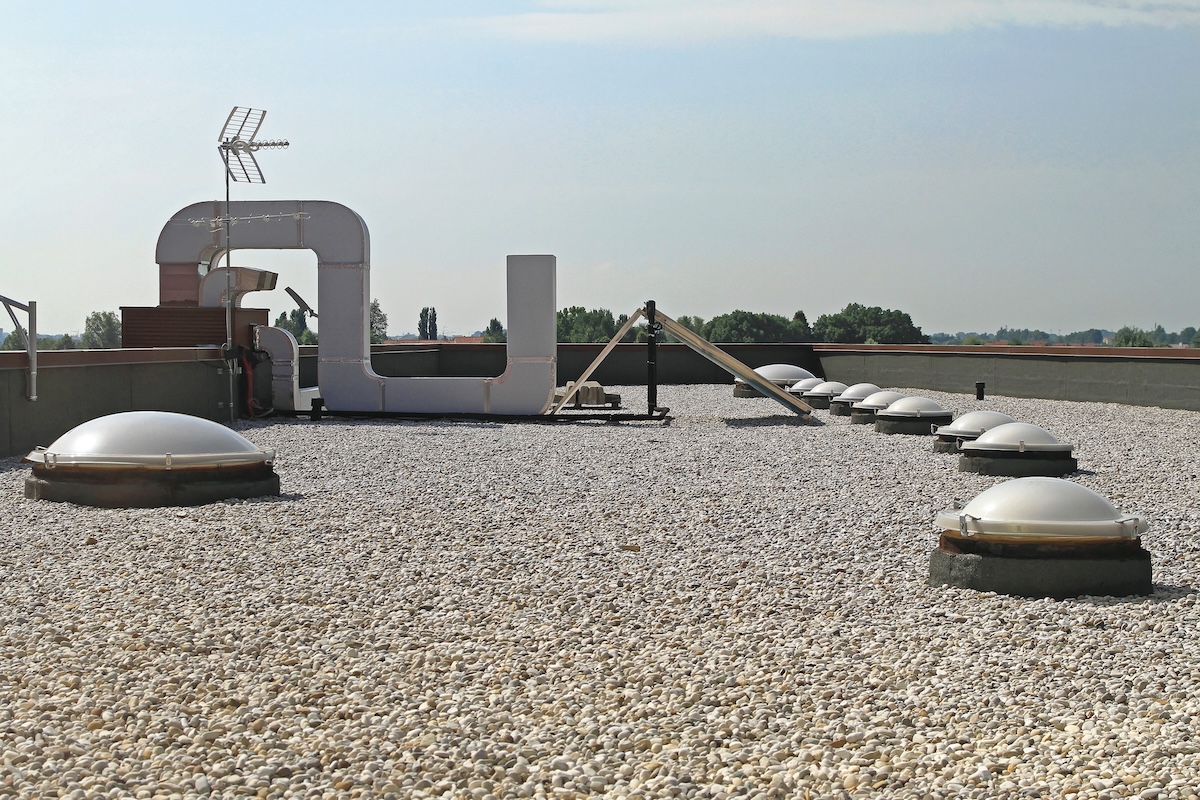
Many of Milwaukee's mid-century commercial blocks still wear gravel-surfaced BUR; we assess the ply count, blistering, and ponding before deciding between repair and a tear-off.
Church and Religious Building Roofing in Milwaukee, WI
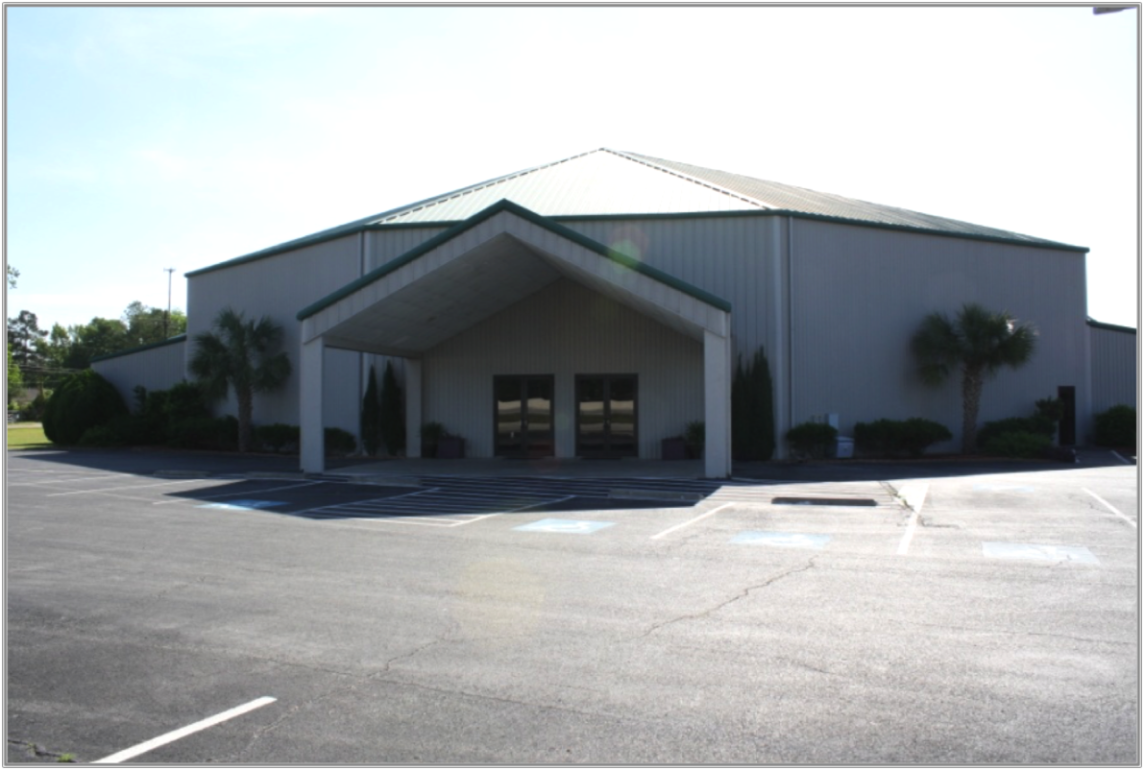
Steep slate, copper valleys, and bell-tower flashings on the city's historic parishes get inspected from the inside out, since freeze-thaw tends to open joints long before a stain shows in the nave.