
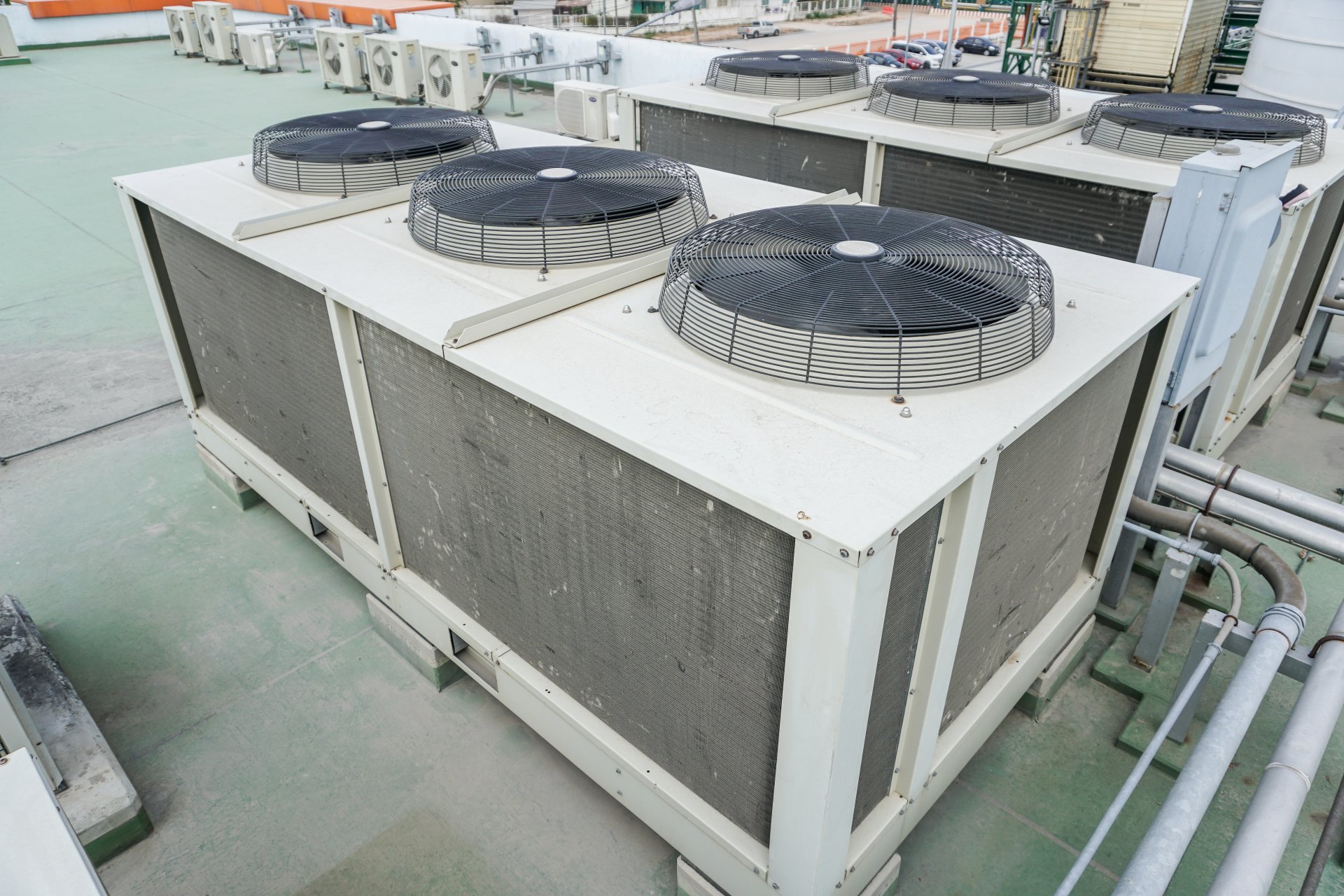
Restaurant and Food Service Building Roofing in Milwaukee, WI
Commercial roofing for restaurants, quick-service chains, breweries, and food service facilities throughout Milwaukee, WI.
Commercial roofing for restaurants, fast food, breweries, and food service buildings.
Milwaukee's food-service landscape stretches from the Third Ward's converted warehouse brewpubs and the bratwurst counters of the Historic Third Ward Public Market to the fast-food strips along Bluemound Road and the sit-down supper clubs that are central to neighborhood commercial blocks across the city. What those buildings share is a flat or low-slope roof that must survive Wisconsin winters without failing during the months when repairs are most difficult to execute and restaurant downtime is most costly.
Freeze-thaw cycling is the defining roofing stress in Milwaukee. Temperatures in December and January routinely swing between single digits overnight and the mid-thirties by afternoon, and that oscillation works at every lap joint, penetration collar, and flashing termination on a commercial roof. Grease exhaust flashing around hood penetrations is particularly vulnerable because the cooking oils that condense on metal surfaces keep the flashing slightly more flexible at low temperatures than the membrane around it, creating differential movement that opens gaps over time. Annual inspection and resealing of those penetrations before the first hard freeze is standard practice for Milwaukee food-service building owners who want to avoid mid-winter leaks.
Snow load is a structural consideration that affects roofing scope on Milwaukee restaurants in a way that rarely comes up in southern markets. The building code sets minimum roof load requirements, but older commercial structures on Brady Street or in Bay View sometimes have deck conditions that warrant an engineering review before adding a new roofing assembly. When a re-roof project involves adding cover board, new insulation layers, and a TPO membrane on top of an existing system, the cumulative dead load plus a wet snow event can approach design limits. Milwaukee contractors who work regularly on food-service buildings include deck condition assessments as standard scope rather than a surprise add-on.
Walk-in refrigeration units in Milwaukee restaurants create a condensation challenge that is amplified by winter humidity differentials. When frigid outside air infiltrates the roof assembly near a walk-in cooler curb and meets the warmer, moister air rising from the kitchen below, condensation forms in the insulation layer and stays there through the heating season. By spring, that wet insulation is visibly sagging ceiling tiles or mold growth on the underside of the deck. A proper re-roof includes infrared thermography to locate existing wet areas, full removal of saturated insulation, and vapor retarder placement calibrated to Milwaukee's climate zone before new insulation and membrane installation.
The craft brewery corridor along the Menomonee River Valley and the taprooms that have revived buildings in Walker's Point bring a specific exhaust and ventilation challenge. Brewing generates steam and CO2 that exit through roof penetrations alongside standard HVAC equipment, and many of those buildings carry original single-ply roofs from the 1990s that have been patched repeatedly without ever being replaced. When a Walker's Point taproom owner decides to do a full replacement, the scope often includes re-curbing aging HVAC equipment to current height standards because undersized curbs allow water to back under the base flashing during heavy rain, a common source of ceiling staining in older buildings.
The QSR density along South 27th Street, National Avenue, and the commercial corridors feeding Mitchell International Airport is among the highest in Wisconsin. Franchise operators here work with tight maintenance budgets and strict brand compliance timelines, and the roof inspection cycle is usually tied to the lease renewal schedule. A commercial roofing contractor familiar with Milwaukee's freeze-thaw environment and the specific warranty requirements of national QSR franchises can prepare condition reports that satisfy both the brand operations team and the building owner's lender, avoiding the three-way documentation delays that slow re-roof approvals for high-volume drive-through locations.
Health code inspections by the City of Milwaukee Health Department and Milwaukee County include roof-related items when inspectors can trace ceiling moisture, mold, or pest infiltration back to roofing failures. Restaurant operators who receive a notice of violation have limited time to document a repair before a re-inspection is scheduled, and during Milwaukee winters, emergency repairs on a fully operational kitchen require crews who are equipped and willing to work in the cold rather than waiting for a warm window that may not arrive for weeks. Having a roofing contractor on a service agreement who knows the building and can dispatch quickly is part of responsible Milwaukee restaurant facility management.
PVC membranes are favored by many Milwaukee food-service roofing specialists over TPO for one practical reason: PVC maintains better weldability at the lower ambient temperatures common in spring and fall installation windows. Membrane seam quality is the single biggest predictor of long-term watertightness, and welds completed at 40 degrees Fahrenheit with properly calibrated equipment on a PVC membrane produce more consistent seams than the same crew attempting TPO under those conditions. The premium in material cost over a 20-year membrane life is modest compared to the cost of a single leak event that closes a restaurant kitchen during service.
Restaurant owners planning capital improvements in Milwaukee do best to schedule roofing assessments in late summer so that bid documents are complete and permits are in hand before October. The fall shoulder season, once harvest events and Oktoberfest traffic wind down, offers a weather window before hard freezes arrive that is ideal for membrane installation. Projects deferred into November face compressed timelines, higher subcontractor premiums for cold-weather work, and the real possibility of being pushed to spring, leaving a failing roof through a full Wisconsin winter with nothing but reactive patching keeping the kitchen dry.
Share the roof address, current issue, photos if available, and any access limits. The response can be framed around inspection, repair, maintenance, coating review, or replacement planning.
Related roof pages

Roof Tear-Off and Replacement in Milwaukee, WI
Roof Tear-Off and Replacement for Milwaukee commercial buildings. Inspection, documentation, repair, maintenance, and replacement planning.
Insurance Claim Roof Documentation in Milwaukee, WI
Insurance Claim Roof Documentation for Milwaukee commercial buildings. Inspection, documentation, repair, maintenance, and replacement planning.
Church and Religious Building Roofing in Milwaukee, WI
Commercial roofing for churches, worship centers, and religious facilities throughout Milwaukee, WI.
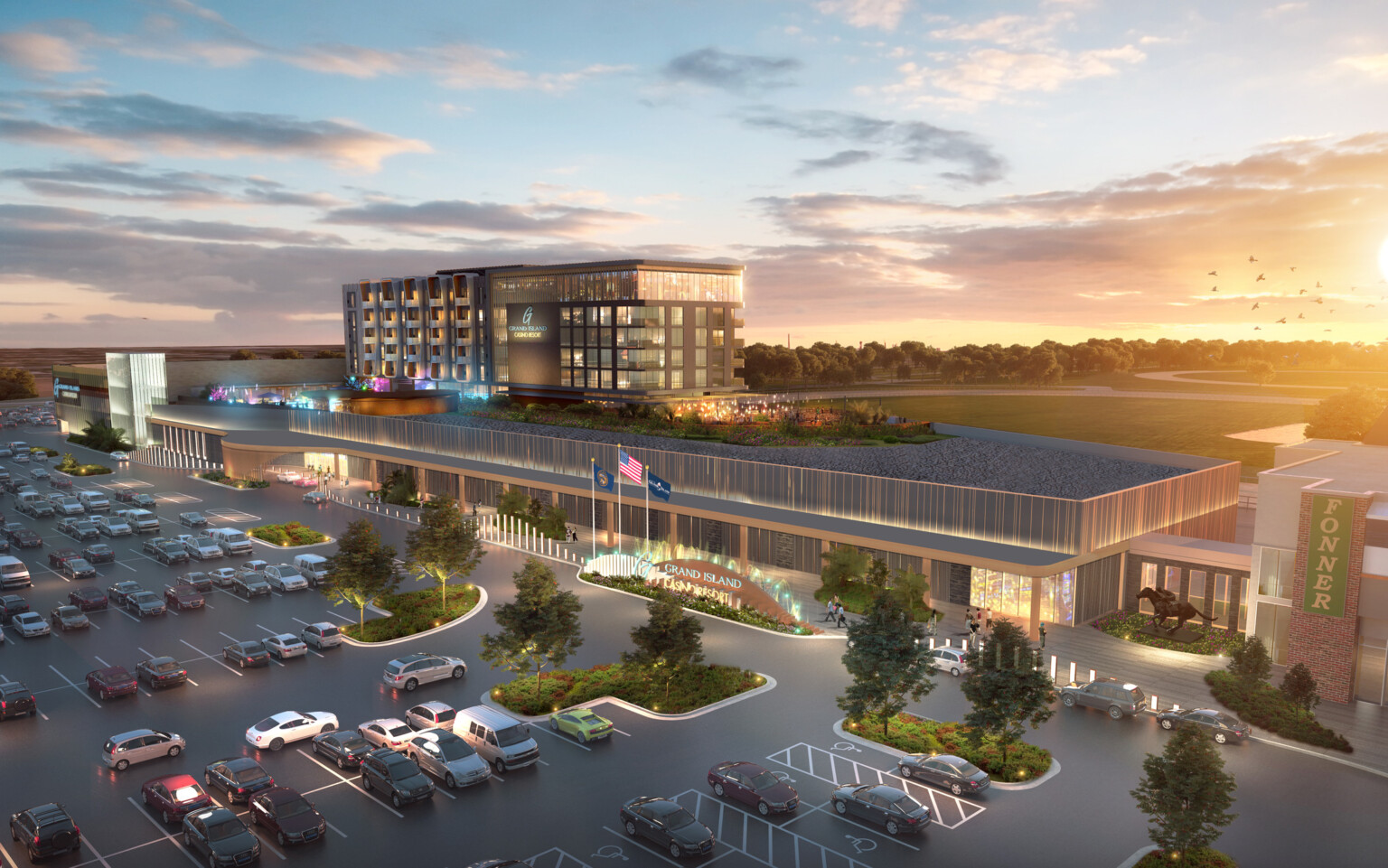
Hotel and Hospitality Property Roofing in Milwaukee, WI
Commercial roofing for full-service hotels, limited-service hotels, extended-stay properties, and hospitality brands throughout Milwaukee, WI.
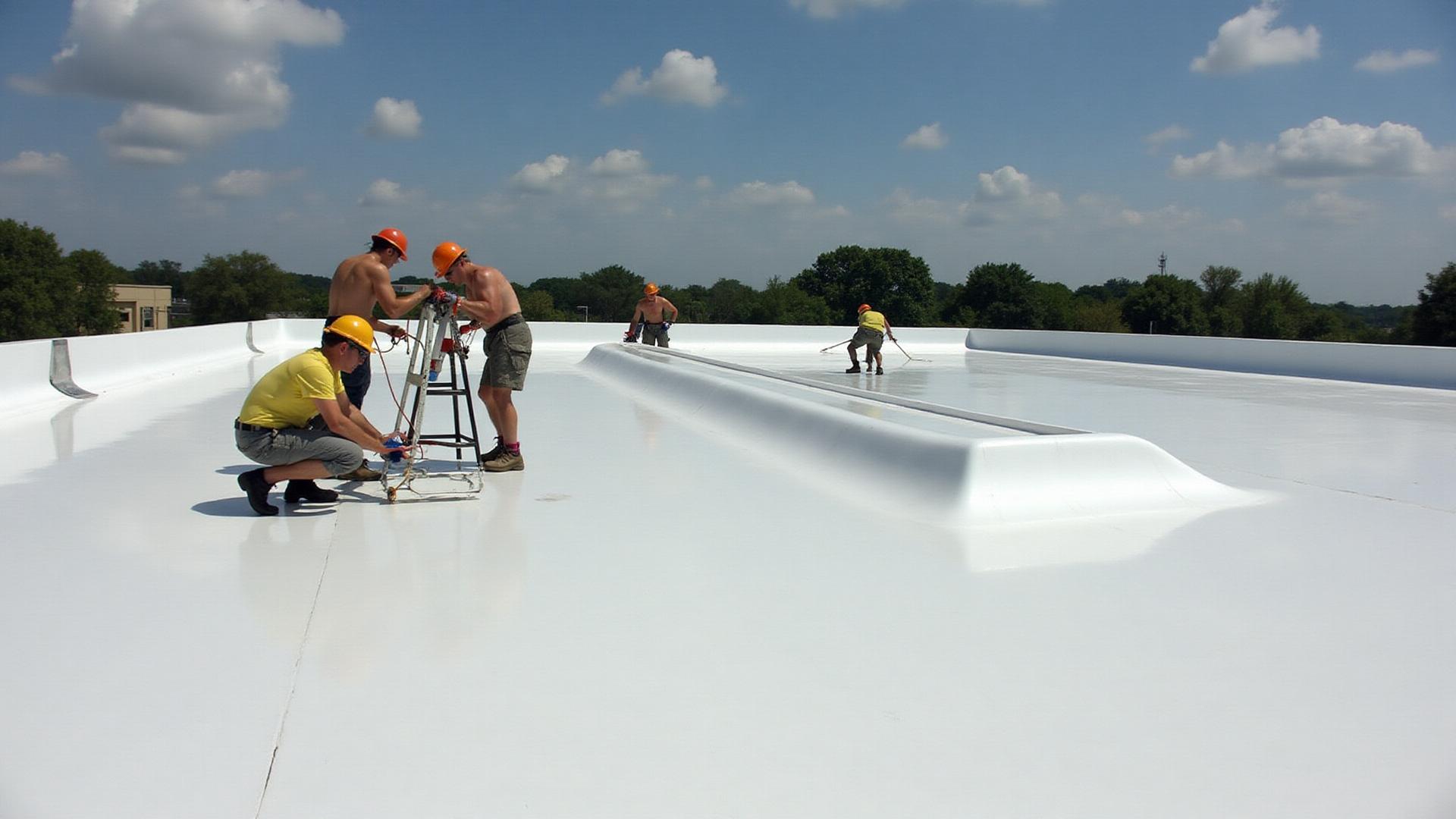
TPO Single-Ply Roofing in Milwaukee, WI
TPO Single-Ply Roofing for Milwaukee commercial buildings. Inspection, documentation, repair, maintenance, and replacement planning.
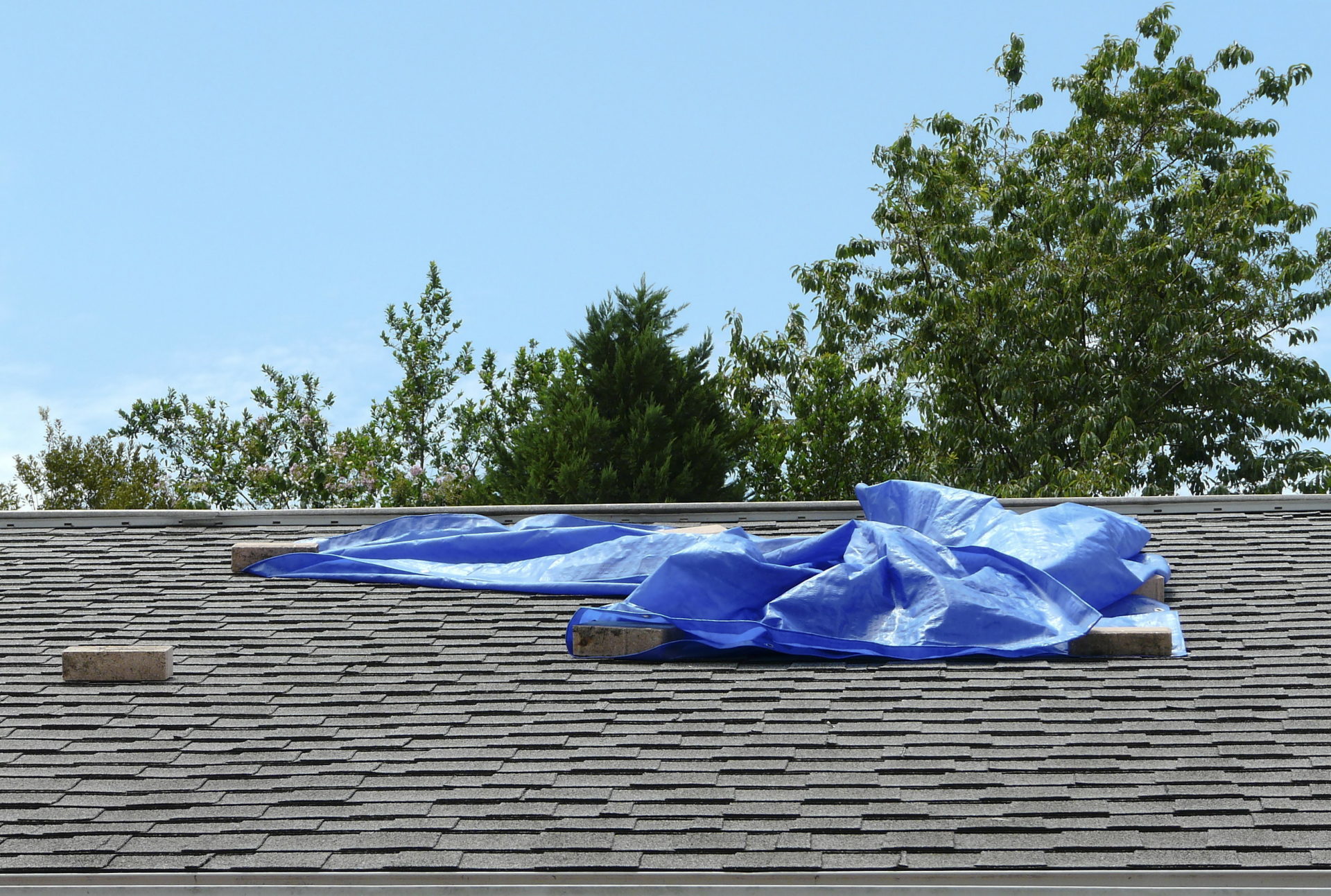
Commercial Roof Leak Repair in Milwaukee, WI
Commercial Roof Leak Repair for Milwaukee commercial buildings. Inspection, documentation, repair, maintenance, and replacement planning.
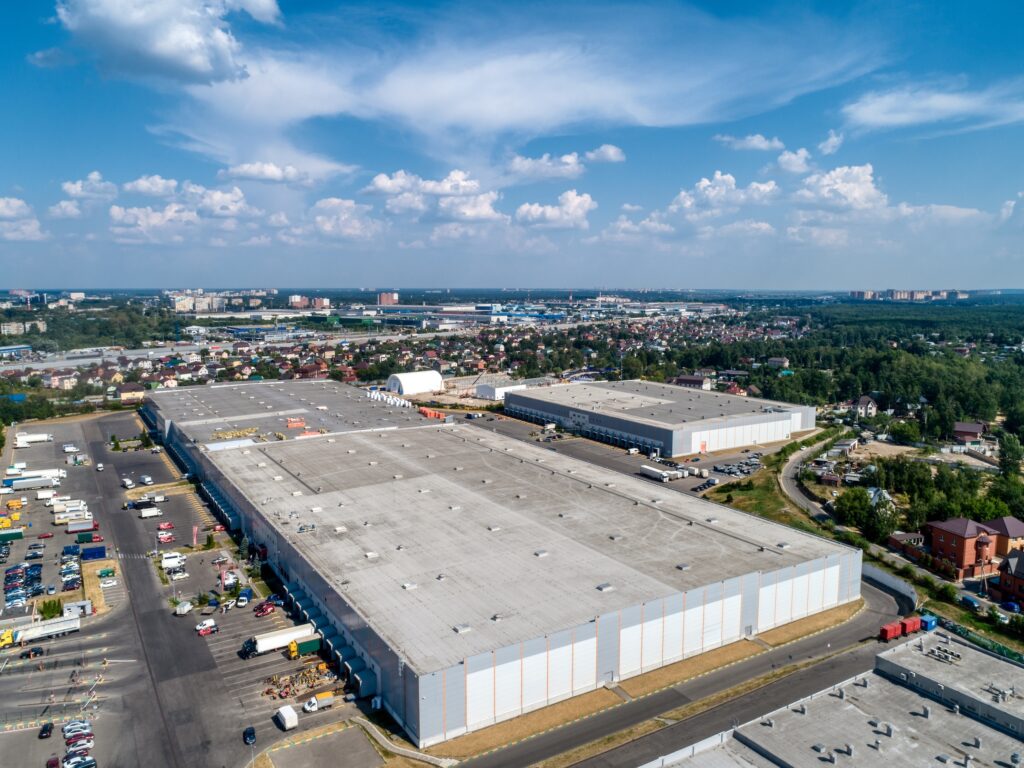
Warehouse and Distribution Center Roofing in Milwaukee, WI
Commercial roofing for warehouses, distribution centers, and industrial facilities throughout Milwaukee, WI. TPO, EPDM, and metal roof systems.
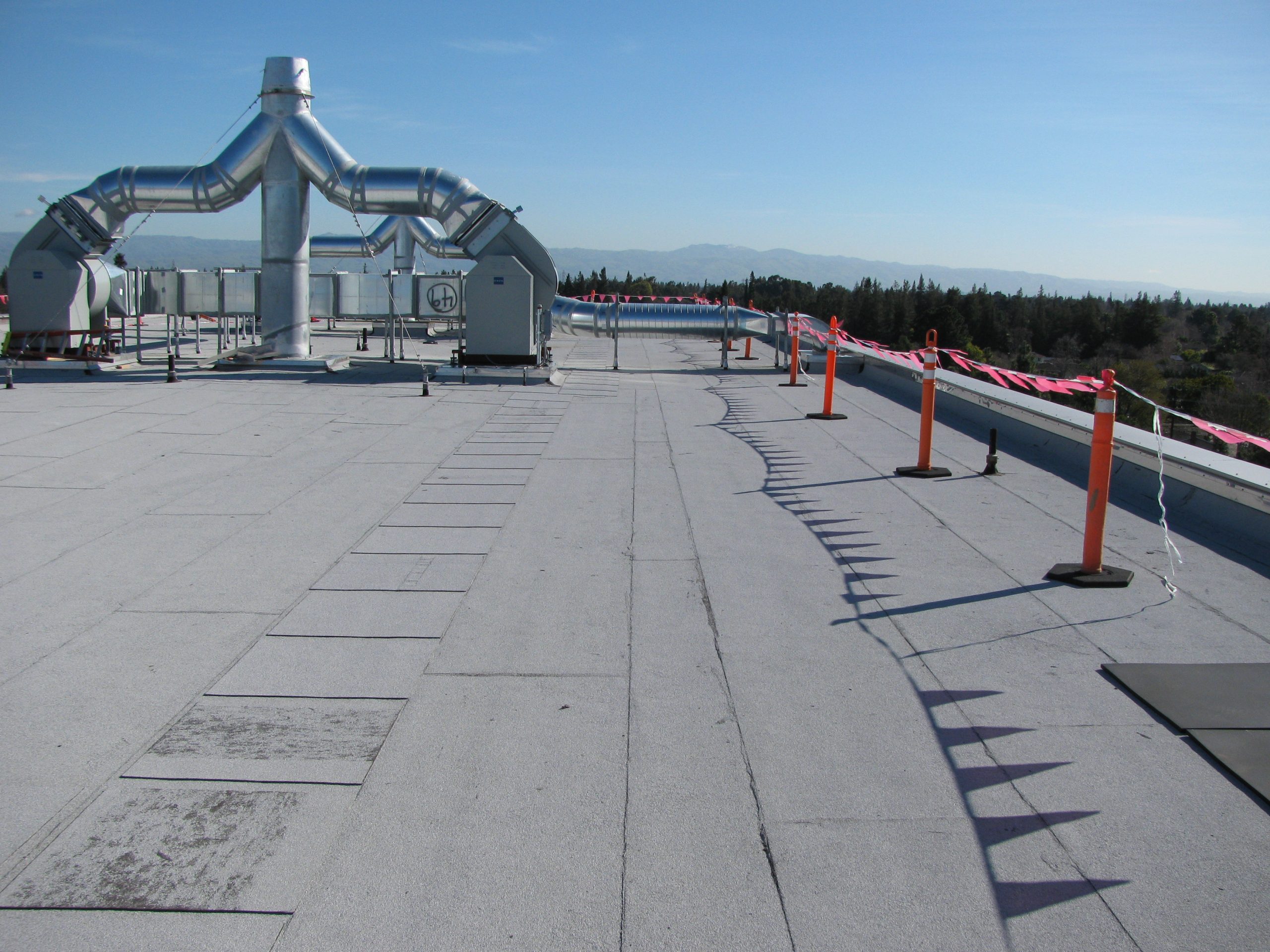
Occupied Building Re-Roofing in Milwaukee, WI
Occupied Building Re-Roofing for commercial buildings across Milwaukee.