
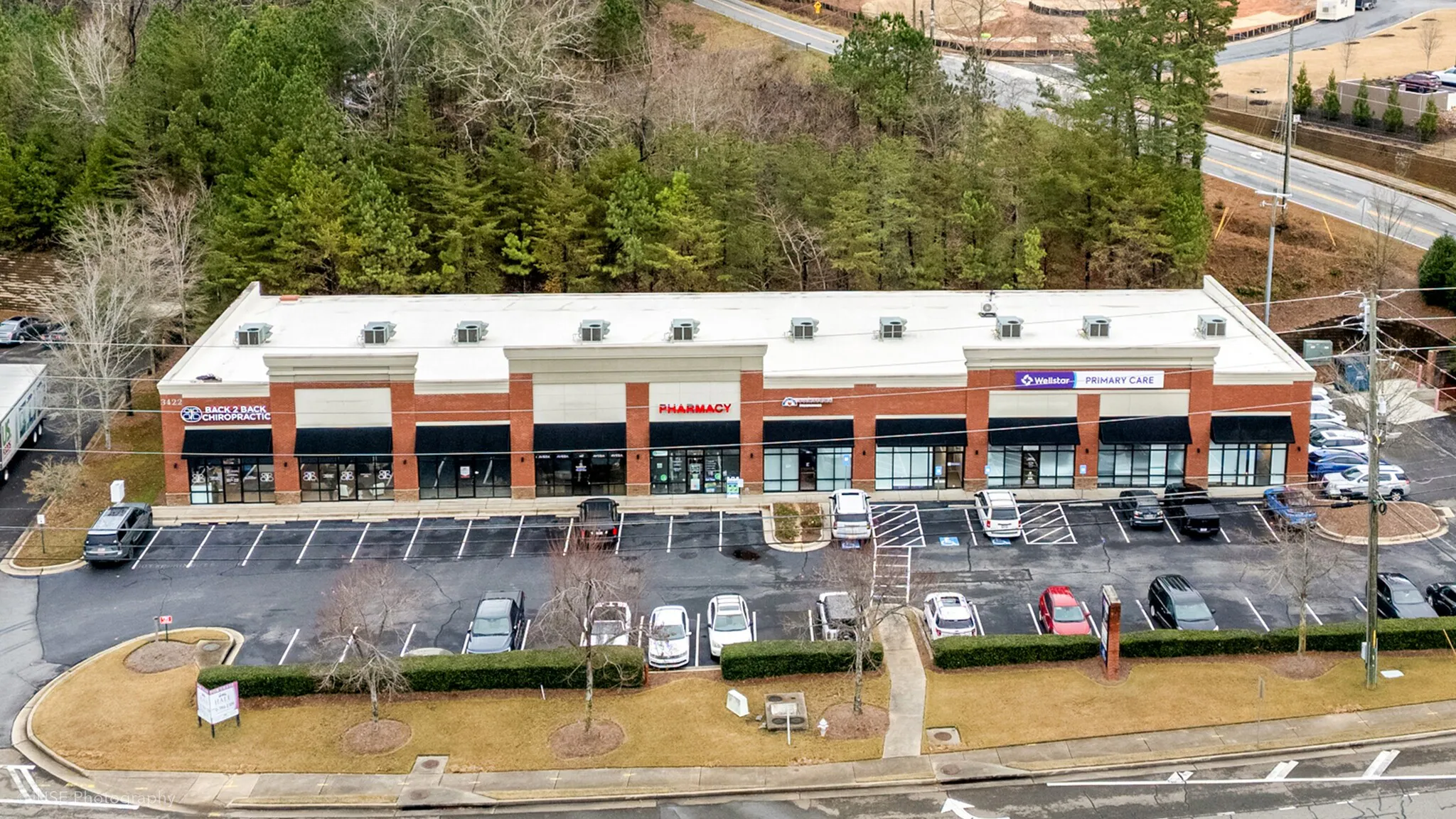
Retail and Shopping Center Roofing in Milwaukee, WI
Commercial roofing for strip malls, shopping centers, anchor stores, and standalone retail buildings throughout Milwaukee, WI.
Commercial roofing for retail centers, strip malls, big-box stores, and shopping destinations.
Milwaukee's retail real estate follows the city's neighborhood geography, with major commercial nodes at Mayfair Mall in Wauwatosa, the Bayshore development in Glendale, and the dense strip commercial corridors that line arteries like North 76th Street, West Capitol Drive, and South 27th Street. The city's industrial heritage and working-class neighborhoods support a retail landscape that mixes national chains with local and regional operators across a wide range of property vintages and conditions. What all of these retail properties share is exposure to a Lake Michigan climate that delivers some of the harshest flat-roofing conditions in the Midwest: heavy snowfall amplified by lake-effect events, extended periods of sustained below-zero cold, dramatic spring-winter oscillations that drive aggressive freeze-thaw cycling, and a summer humidity profile that creates moisture management challenges year-round.
Snow and ice management is the primary operational roofing concern for Milwaukee retail property managers. Lake-effect snowfall from Lake Michigan can add significant accumulation to a storm that might produce modest totals in Chicago or Madison, and Milwaukee retail properties on the north and east sides of the metro face particularly heavy snow exposure in lake-effect events. Flat retail roofs must be monitored during heavy snow periods, with removal initiated before accumulation approaches design load thresholds. The structural deck capacity of mid-century strip plazas along corridors like West Bluemound Road and North Green Bay Avenue may be lower than current code requirements, and a professional structural assessment that establishes the threshold for mandatory snow removal is essential risk management for owners of older Milwaukee retail inventory.
TPO roofing systems are the specified standard for Milwaukee commercial retail construction and replacement projects. The membrane's cold-temperature flexibility—maintaining pliability in the sustained sub-zero temperatures that Milwaukee experiences from December through February—is the primary performance differentiator in Wisconsin's climate. Cold-weather TPO installation is a technically demanding practice that requires substrate heating, careful weld temperature control, and experienced operators who understand how cold conditions affect the welding process. Milwaukee commercial roofing contractors who cut corners on cold-weather installation protocols produce seam failures that manifest as leaks during the first winter thaw. Any landlord soliciting bids for winter or early-spring roofing work should specifically ask each contractor about their cold-weather installation procedures.
The freeze-thaw cycling that Milwaukee experiences during shoulder seasons—late October through December and again from late February through April—is more aggressive than what most Southern or even Central Midwestern markets experience. Temperature swings from 40 degrees above freezing to 15 degrees below zero can occur within a single week during these transition months, subjecting every transition detail in a roofing system—parapet copings, HVAC curb flashings, drain sumps, and membrane terminations—to repeated expansion and contraction. Vulnerable flashings that showed no active leakage in summer suddenly fail when freeze-thaw cycling forces ice into marginal joints. Fall inspection programs that identify and repair all suspect transition details before freeze-thaw cycling begins are the most cost-effective maintenance investment for Milwaukee retail property owners.
HVAC penetrations on Milwaukee retail rooftops must be designed with cold-weather operation in mind as much as summer cooling performance. Condensate lines that discharge onto the roof surface rather than draining to interior collection points will freeze in Milwaukee's winter temperatures, backing condensate water up against curb bases and under adjacent flashing edges. Heat tape installation on exposed condensate lines is standard practice for Milwaukee retail rooftop equipment in cold climates. Additionally, HVAC curb heights must be adequate to remain above expected snow accumulation depth—12 inches is a practical minimum for the Milwaukee market—to prevent drifted snow from compressing against flashing edges and forcing melt water under the flashing lap during thaw.
Milwaukee's retail CAM environment is particularly cost-sensitive in properties serving working-class and middle-income neighborhoods, where tenants have lower margins and less tolerance for unexpected CAM increases. Large unplanned roofing repair costs that get passed through as CAM can trigger lease disputes and tenant departures on properties where the tenant mix already faces competitive pressure from online retail. Landlords managing Milwaukee strip malls along corridors like West Forest Home Avenue and South Howell Avenue benefit from the stable CAM costs that come with proactive maintenance programs—smaller, predictable annual maintenance expenditures rather than large emergency repairs that spike the CAM statement and create friction with the tenant base.
The Mayfair Mall area in Wauwatosa and the Bayshore redevelopment in Glendale represent the premium end of Milwaukee's retail real estate market, with institutional-quality assets managed by professional property management firms. These properties apply sophisticated roofing maintenance standards that include infrared moisture scanning, manufacturer-certified annual inspections, and documented capital reserve planning for eventual membrane replacement. Smaller Milwaukee retail property owners can apply the same principles at a scale appropriate to their portfolio—annual professional inspection, documented repairs, and a reserve line in the operating budget for eventual replacement—achieving the same protection against deferred maintenance risk that institutional operators build into their management programs.
Spring snowmelt is a distinct hydraulic challenge for Milwaukee retail rooftops. When warm fronts arrive after significant snow accumulation in late winter or early spring, the combination of snowmelt and rain can produce runoff volumes that overwhelm drainage systems, particularly if drain strainers have been covered by snow and haven't been cleared. Emergency overflow scuppers that provide a secondary discharge path when primary drains are overwhelmed are essential safety features on Milwaukee retail rooftops. Their condition—clear of ice blockage, properly positioned above the drain strainer elevation—should be verified both before the winter season and immediately after any significant snow event.
Milwaukee retail property transactions increasingly include roofing condition as a material due diligence item. Buyers and lenders conducting due diligence on Milwaukee commercial retail assets request current inspection reports, remaining warranty documentation, and evidence of annual maintenance. Properties with documented maintenance histories and active warranties command fewer price reductions in the due diligence process than those with aging, unmaintained systems. For Milwaukee retail landlords who plan to sell or refinance within a five-to-ten-year window, maintaining a clean roofing documentation file is a straightforward way to protect the asset's transaction value—a return on maintenance investment that is direct and measurable.
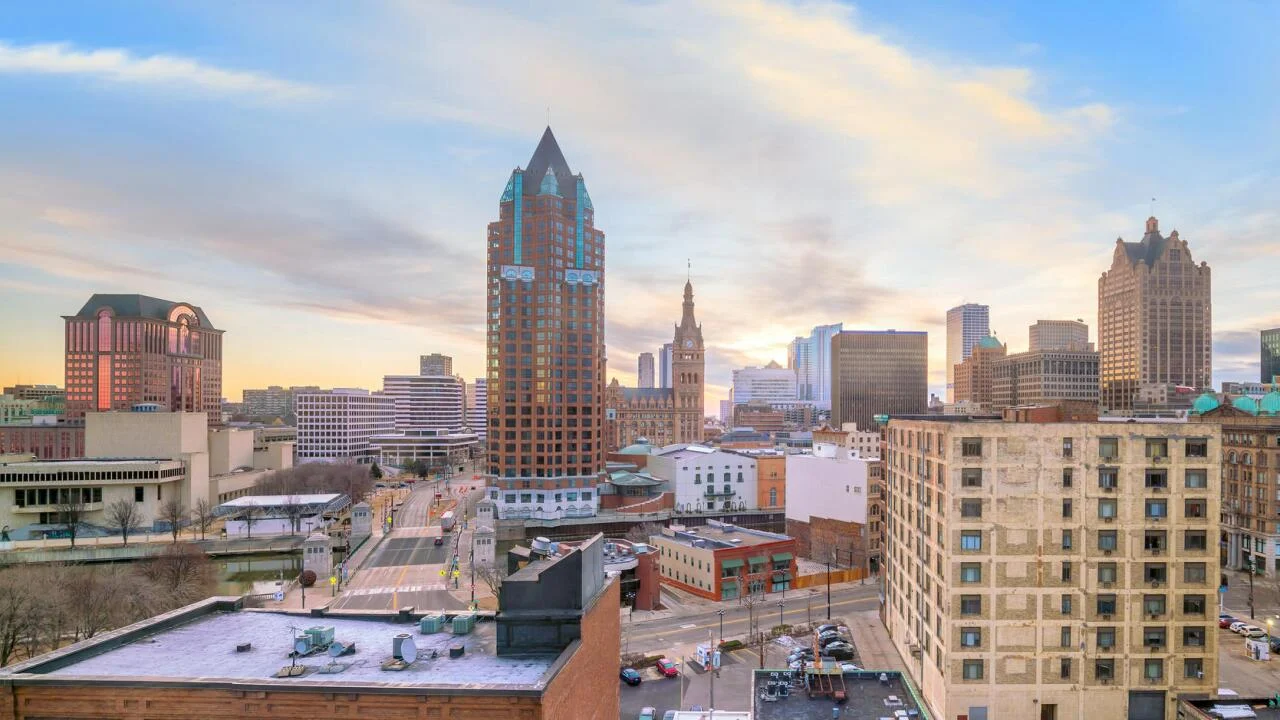
Share the roof address, current issue, photos if available, and any access limits. The response can be framed around inspection, repair, maintenance, coating review, or replacement planning.
Related roof pages
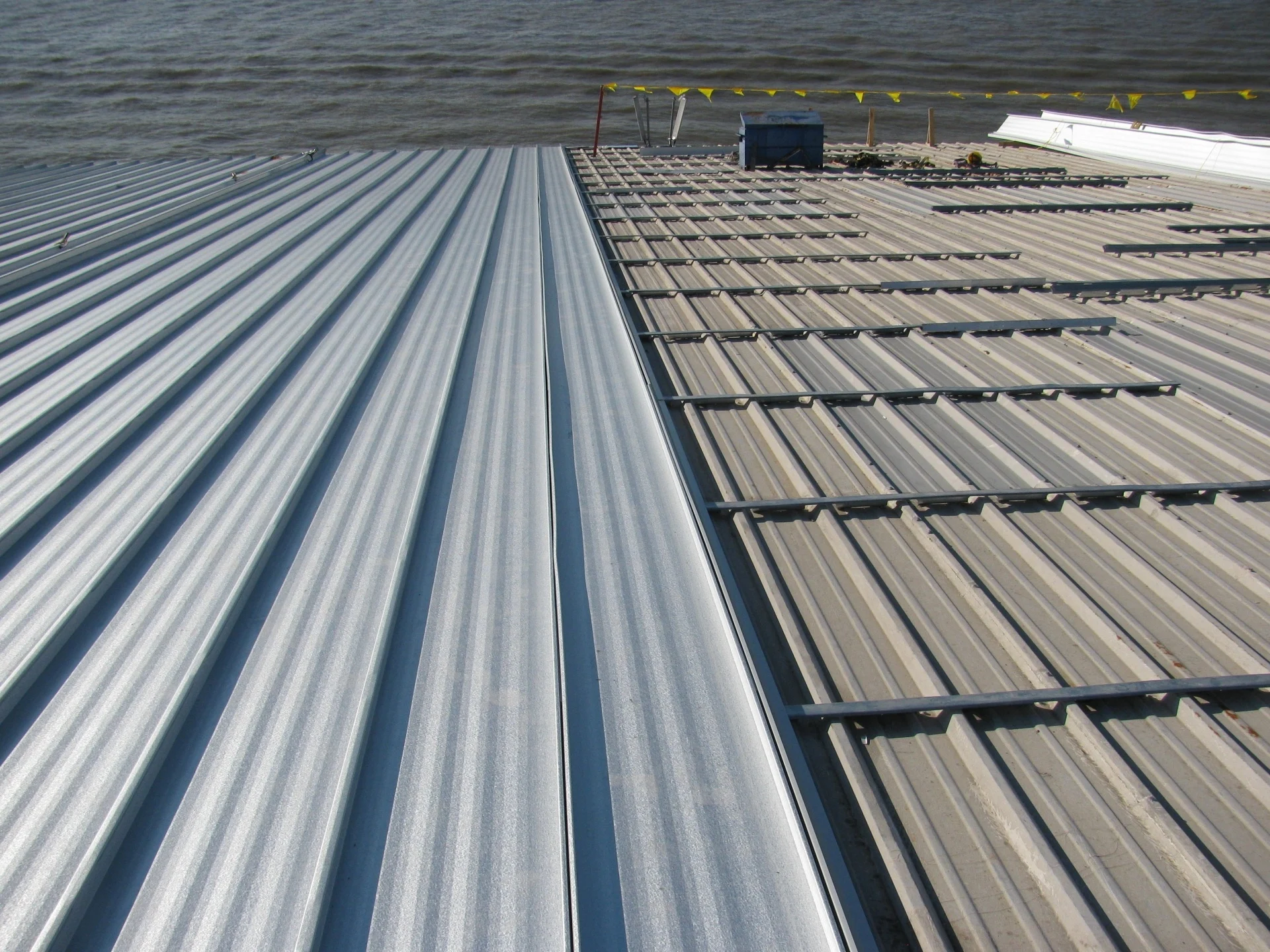
Roof Recover and Overlay in Milwaukee, WI
Roof Recover and Overlay for Milwaukee commercial buildings. Inspection, documentation, repair, maintenance, and replacement planning.
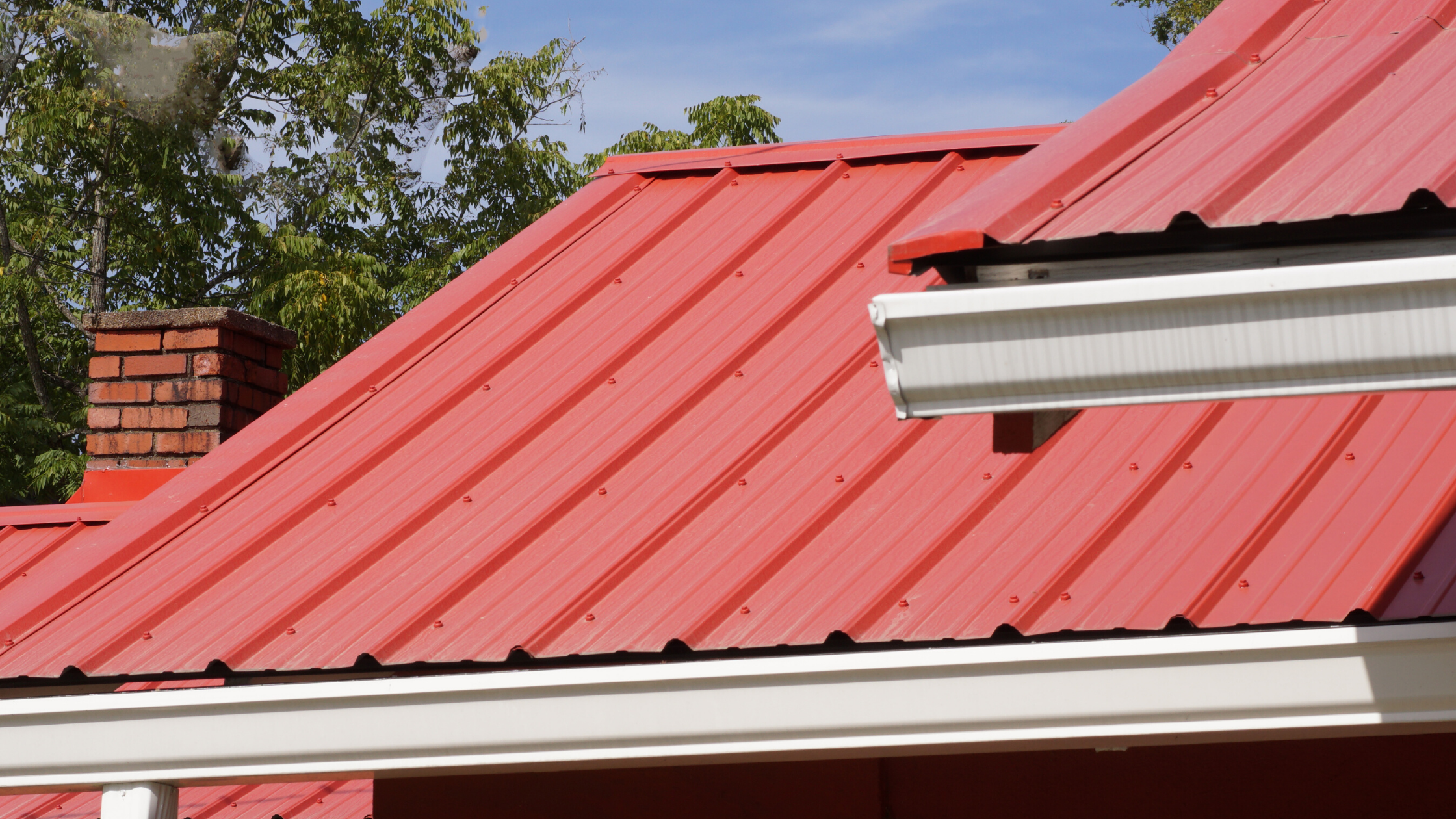
Skylight and Penetration Flashing in Milwaukee, WI
Skylight and Penetration Flashing for Milwaukee commercial buildings. Inspection, documentation, repair, maintenance, and replacement planning.
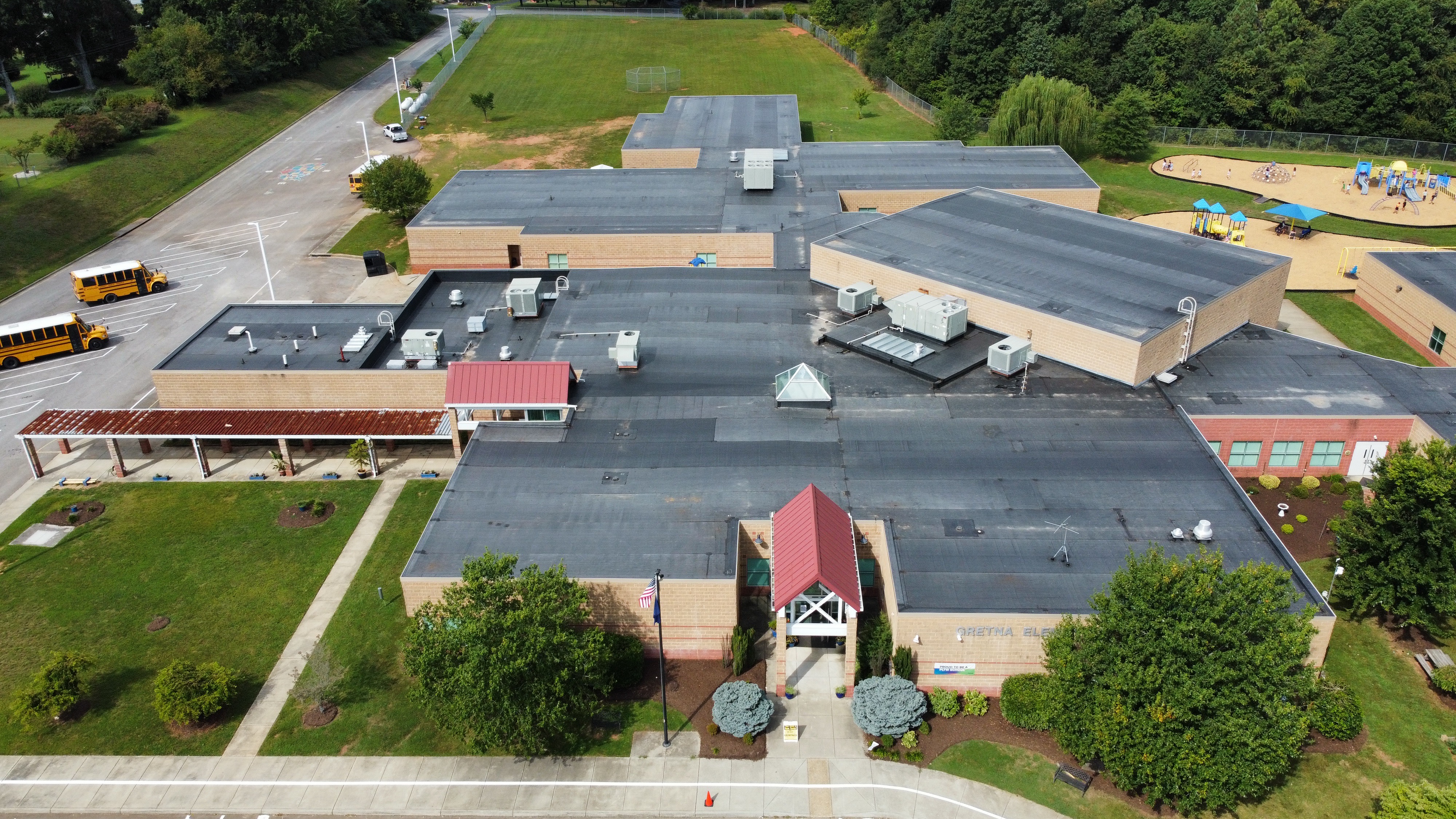
School and K-12 Educational Building Roofing in Milwaukee, WI
Commercial roofing for public and private schools, K-12 campuses, and educational facilities throughout Milwaukee, WI.
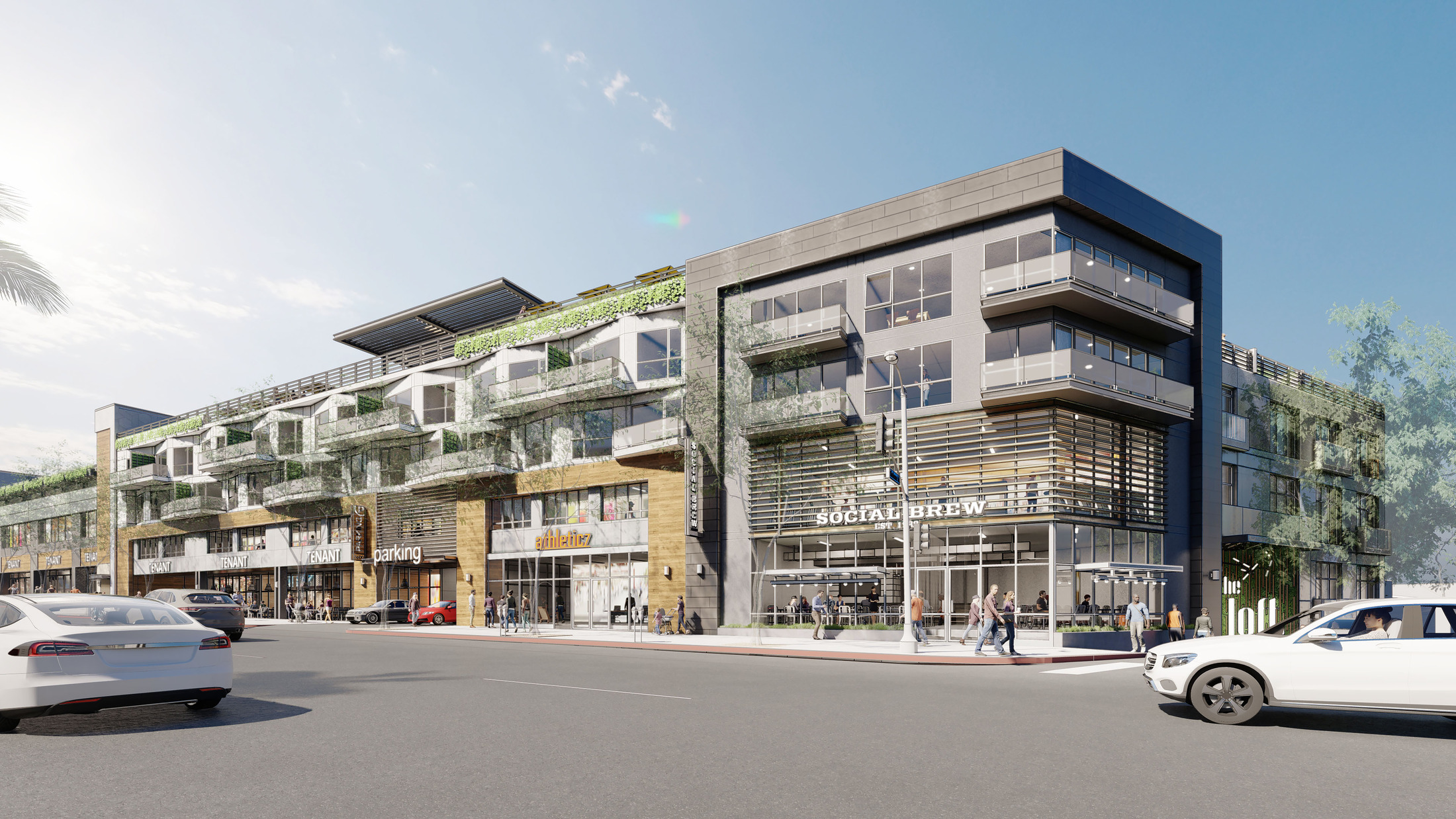
Mixed-Use Development Roofing in Milwaukee, WI
Commercial roofing for mixed-use buildings, urban infill developments, and live-work-play properties throughout Milwaukee, WI.
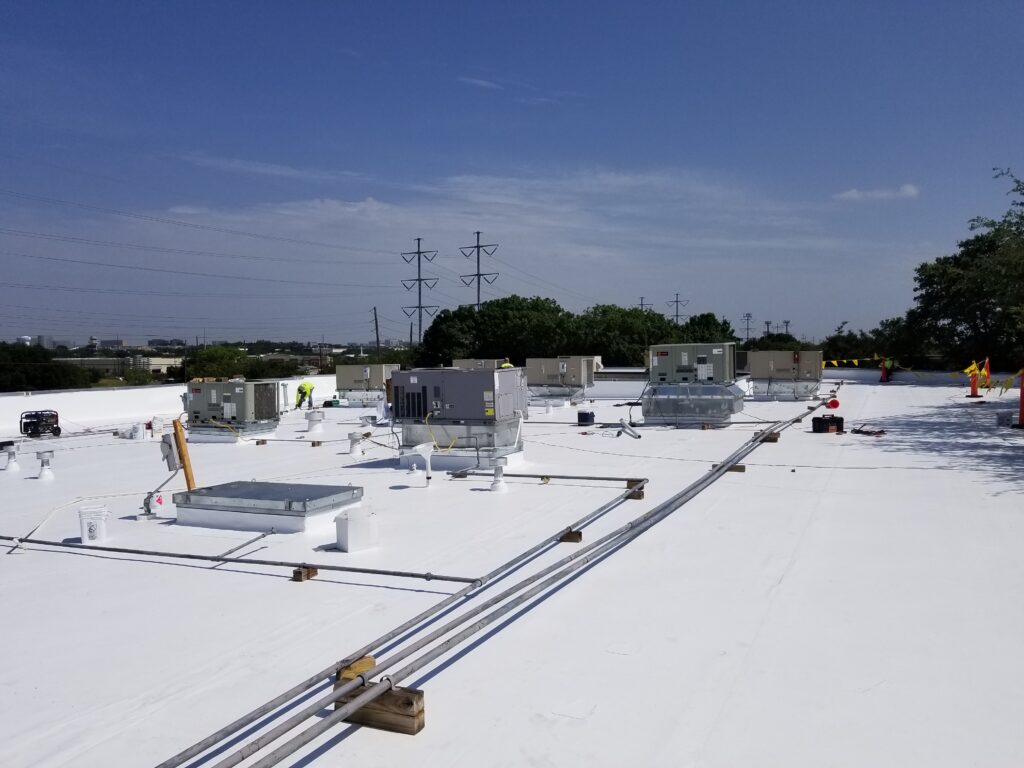
EPDM Commercial Roofing in Milwaukee, WI
EPDM Commercial Roofing for Milwaukee commercial buildings. Inspection, documentation, repair, maintenance, and replacement planning.
Roof Inspection and Condition Reports in Milwaukee, WI
Roof Inspection and Condition Reports for Milwaukee commercial buildings. Inspection, documentation, repair, maintenance, and replacement planning.
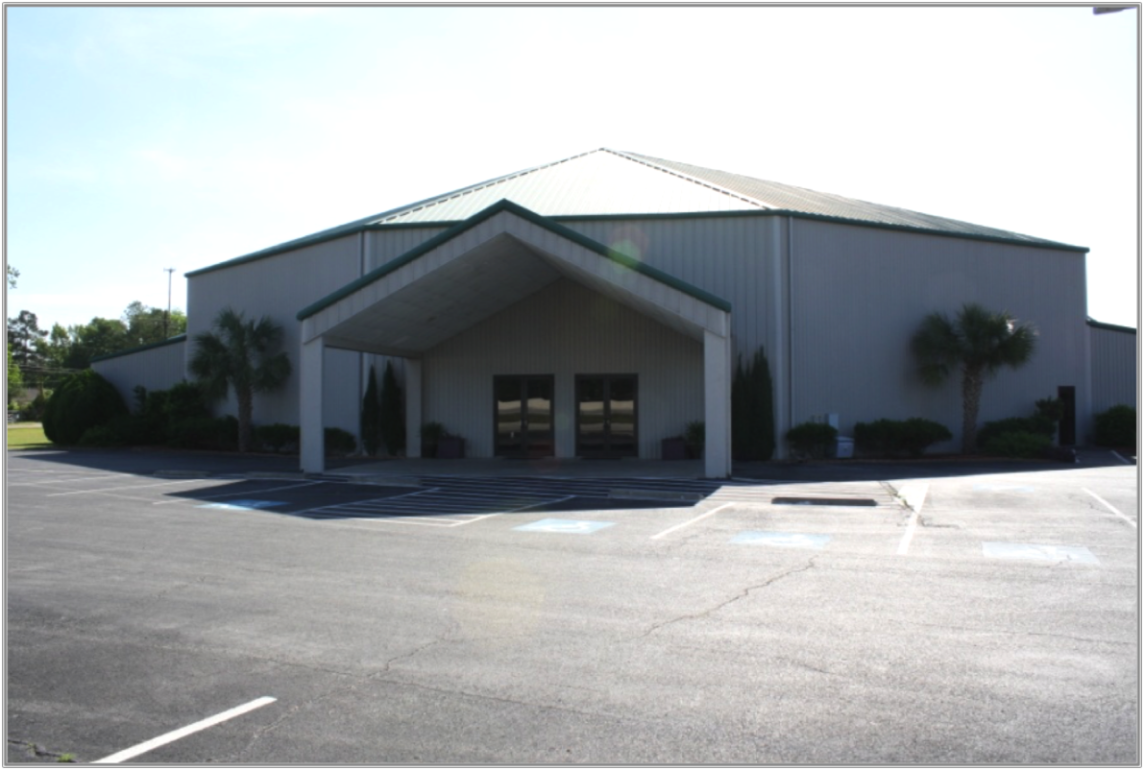
Church and Religious Building Roofing in Milwaukee, WI
Commercial roofing for churches, worship centers, and religious facilities throughout Milwaukee, WI.
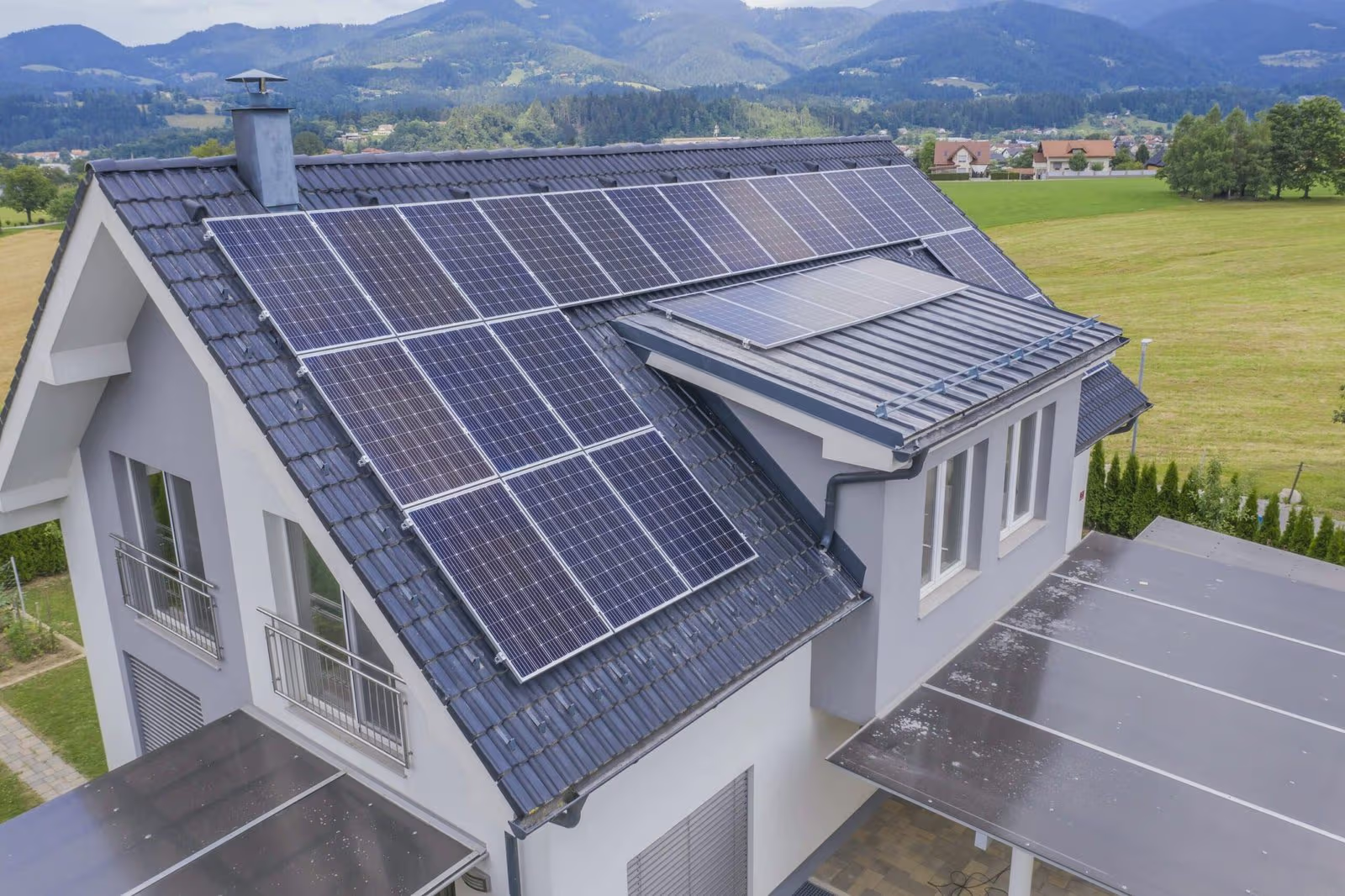
Solar-Ready Commercial Roofing & PV Integration in Milwaukee, WI
Milwaukee, WI commercial solar roof integration: PV racking penetration detailing, membrane compatibility, structural load and uplift review, and warranty coordination between your roofer and solar installer.