
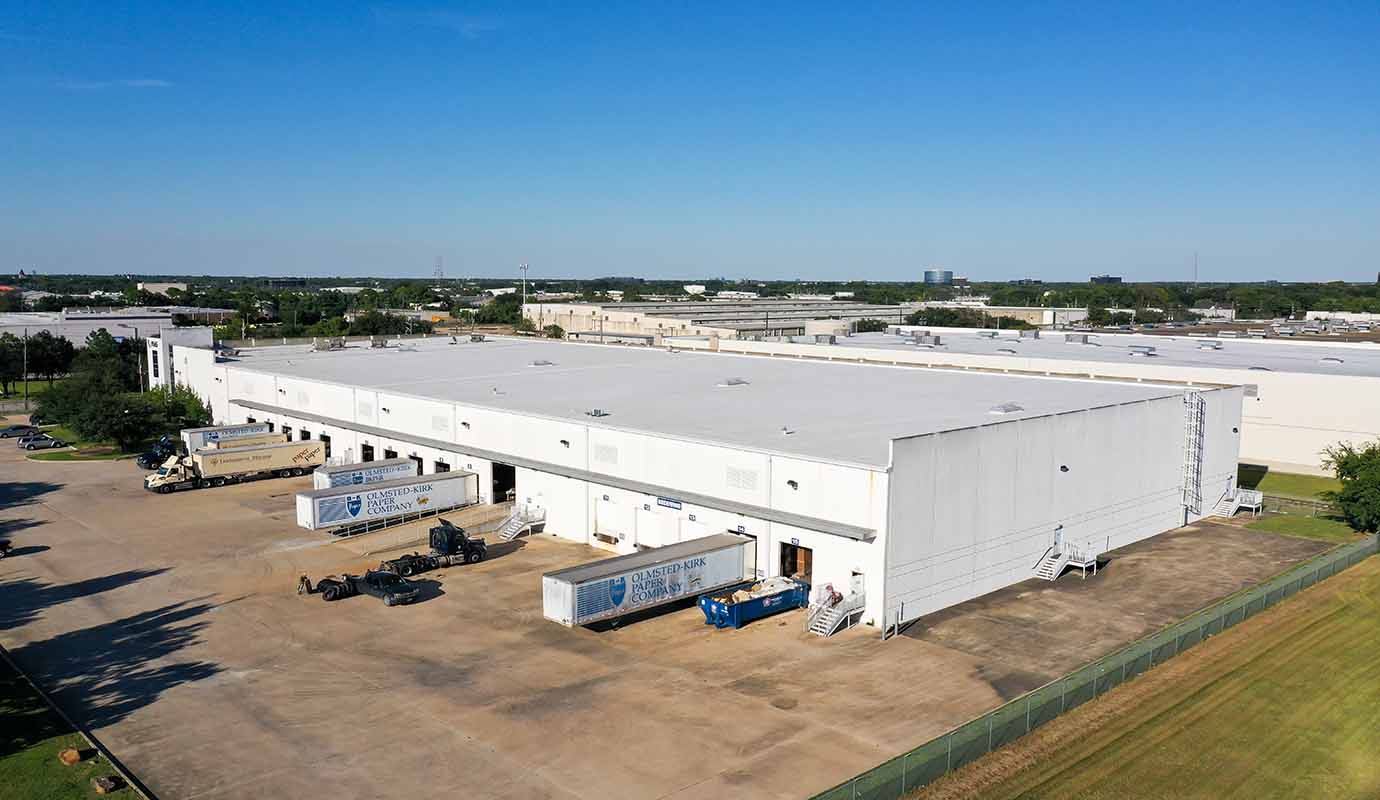
REIT Roofing Services in Milwaukee, WI
Commercial roofing programs for REITs and institutional real estate investors managing commercial property portfolios throughout Milwaukee, WI.
Commercial roofing solutions for real estate investment trusts and institutional property portfolios.
Milwaukee's commercial real estate market is centered on industrial, healthcare, and office assets that attract capital from REITs with Midwest-focused mandates and diversified national portfolios alike. Inland Private Capital and national players like Duke Realty — now part of Prologis — have held substantial Milwaukee-area industrial portfolios, and REITs with healthcare property exposure, such as Welltower, carry significant square footage in the greater Milwaukee market. What unifies institutional ownership across all these asset classes in Milwaukee is the relentless roofing CAPEX pressure imposed by one of the most punishing winter climates in any major U.S. metro — a reality that forces sophisticated reserve modeling to the front of every acquisition analysis.
Milwaukee's climate delivers a full spectrum of roofing threats across the calendar year. Winter brings average snowfall exceeding 47 inches, with temperature swings that move repeatedly across the freeze-thaw threshold throughout November, March, and April. Each freeze-thaw cycle forces water that has infiltrated membrane seams, cracks, or punctures to expand and contract, accelerating degradation at a rate that dramatically shortens the effective service life of TPO, EPDM, and modified bitumen systems compared to warmer climates. Spring brings ice dam risk at parapet walls and overhangs, where meltwater backs up and infiltrates through flashing terminations that appear intact under dry conditions but fail under hydrostatic pressure.
Snow load management is a structural and financial issue that REIT asset managers must budget for explicitly in Milwaukee. Commercial roofs are designed to carry specific dead and live loads, and the wet, heavy lake-effect snow events that Lake Michigan feeds into the Milwaukee area can deposit accumulations that approach or exceed the design threshold for older structures. A REIT managing a portfolio of 1970s and 1980s-era industrial buildings — common in Milwaukee's established manufacturing corridors — must have a proactive snow removal program that dispatches crews to properties before accumulation reaches risk levels. The cost of snow removal is material but measurable; the cost of a structural failure or moisture infiltration event is neither.
Master service agreements for REIT roofing programs in Milwaukee must address winter response capabilities specifically. Not every commercial roofing contractor maintains the equipment, trained personnel, and insurance coverage to conduct safe snow removal operations on occupied commercial buildings. A preferred vendor program that identifies and vets contractors for winter roofing work — and pre-negotiates response times, equipment rates, and safety protocols — gives the asset manager a controlled program rather than an ad hoc scramble after each significant weather event. The MSA should define trigger conditions based on accumulation thresholds, specify maximum response time commitments, and establish documentation requirements for each visit.
Property condition assessments in Milwaukee must be timed carefully to capture the full picture of roof condition. A PCA conducted in late summer, when roofs are dry and structurally sound, may miss evidence of winter damage that only becomes visible in spring when interior ceiling staining, wet insulation, and degraded fastener pullout strength can be assessed. REITs acquiring Milwaukee assets should either time PCAs for late spring — after winter damage is fully revealed — or commission supplemental winter-specific inspections that include thermal imaging and core sampling to detect moisture in the insulation layer beneath the membrane.
The NOI impact of deferred roofing maintenance in Milwaukee is accelerated by the climate's damage multiplication effect. A hairline crack in a TPO field seam that might remain stable for two or three years in a mild climate becomes an active leak path in Milwaukee within a single winter season. Water that enters through that crack freezes, expands, and widens the seam; the following spring the seam is an open channel that admits inches of rainfall. By the time a tenant reports a leak to the property manager, the insulation is saturated, the deck is potentially compromised, and what could have been a $2,000 seam repair has become a $40,000 partial replacement. REITs understand this multiplication effect and price it into their maintenance program budgets.
Ten-year CAPEX reserve models for Milwaukee industrial and office portfolios require adjustment factors that account for the climate's accelerating effect on roofing system degradation. A TPO roof with a nominal 20-year manufacturer warranty may deliver only 14 to 16 years of effective service life in Milwaukee's freeze-thaw environment without aggressive preventive maintenance. Reserve models that use manufacturer-warranted service life as the planning horizon — rather than climate-adjusted expected life — systematically under-reserve and create distribution risk when the replacement comes earlier than the model predicted. Credible Milwaukee reserve models use regionally calibrated life expectancy data and carry maintenance as a separate line item from replacement CAPEX.
Milwaukee's industrial rental market has tightened as e-commerce distribution demand absorbs available space, giving REIT-held industrial landlords leverage but also elevating tenant expectations. Modern logistics tenants operating in Class A Milwaukee industrial buildings expect building systems — including roofs — to be maintained to institutional standards. A leak in a cold storage suite or a moisture event near automated conveyor systems creates operational disruptions that sophisticated tenants escalate quickly through formal channels. REITs that maintain documented roof inspection histories and can demonstrate proactive maintenance programs protect themselves against tenant remedies and retain their competitive positioning in lease renewal negotiations.
Commercial roofing contractors who build REIT relationships in Milwaukee must demonstrate capabilities that go well beyond installation. They need the winter operations program, the thermal imaging equipment, the ASTM-compliant inspection documentation, and the reserve cost modeling support that institutional asset managers require. The contractors who invest in those capabilities — and who can explain the intersection of Milwaukee's climate, roofing system performance, and NOI to an asset manager reviewing a 10-year capital plan — earn preferred vendor status that delivers sustained revenue across large, multi-property portfolios.
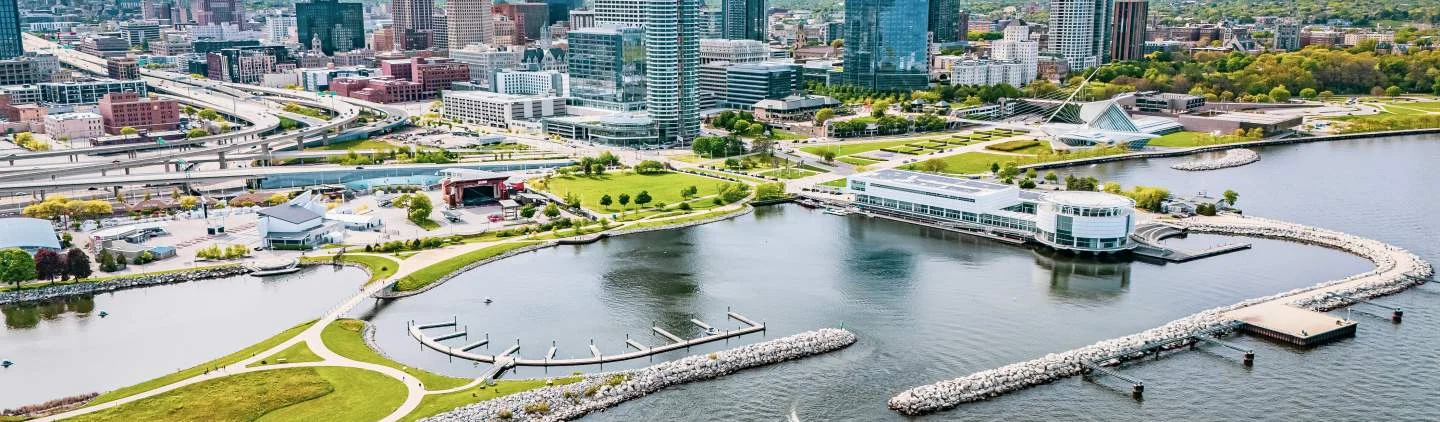
Share the roof address, current issue, photos if available, and any access limits. The response can be framed around inspection, repair, maintenance, coating review, or replacement planning.
Related roof pages
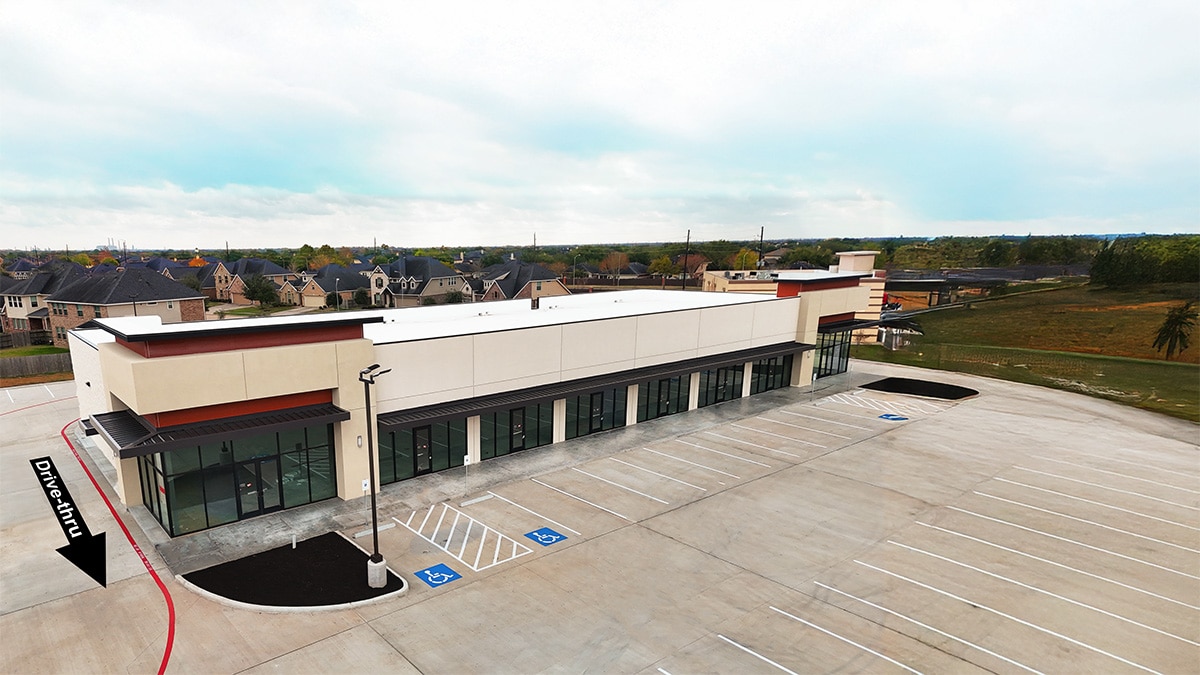
Retail Chain Operators
Retail Chain Operators for Milwaukee commercial buildings. Inspection, documentation, repair, maintenance, and replacement planning.
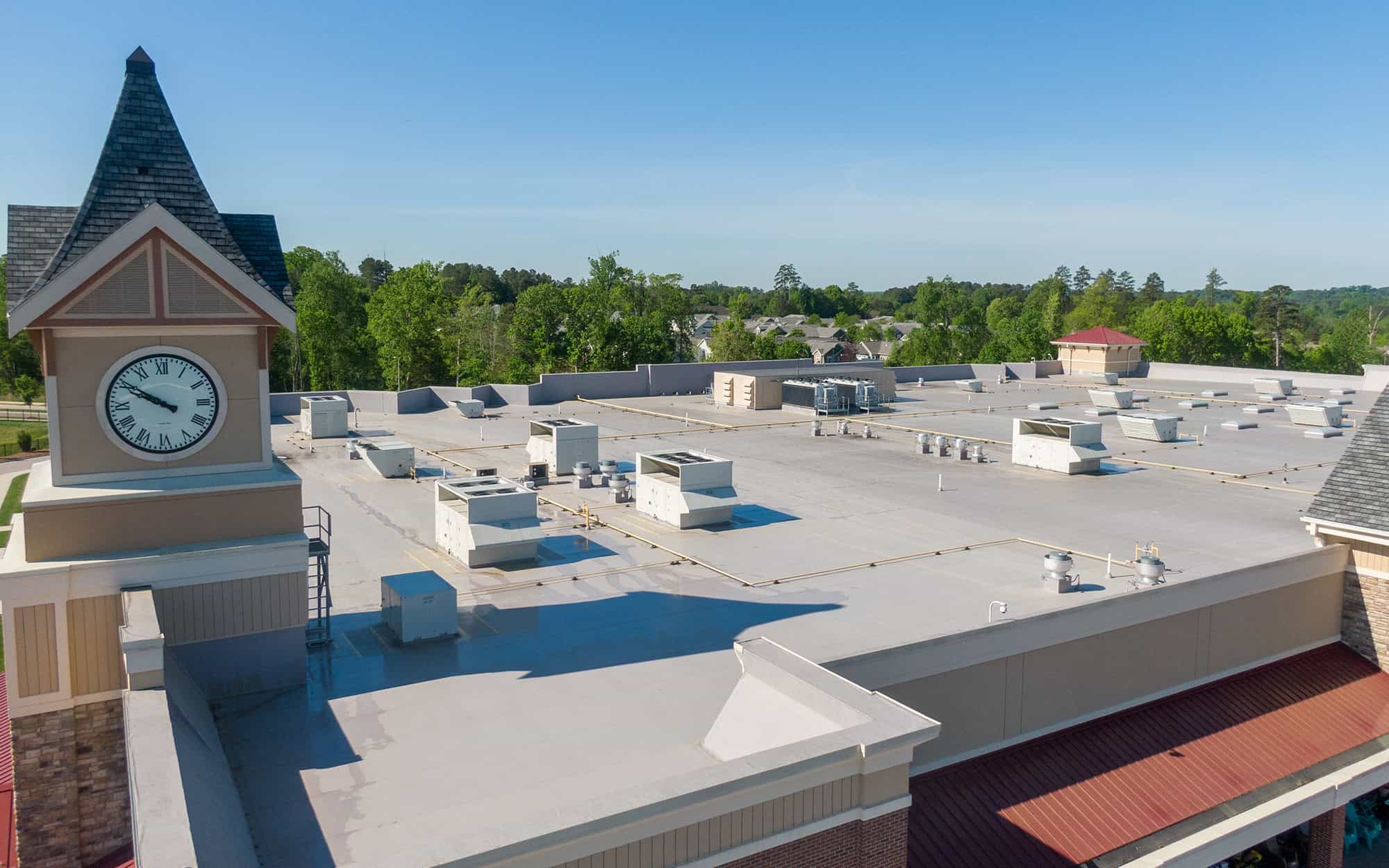
Government and Public Sector
Government and Public Sector for Milwaukee commercial buildings. Inspection, documentation, repair, maintenance, and replacement planning.
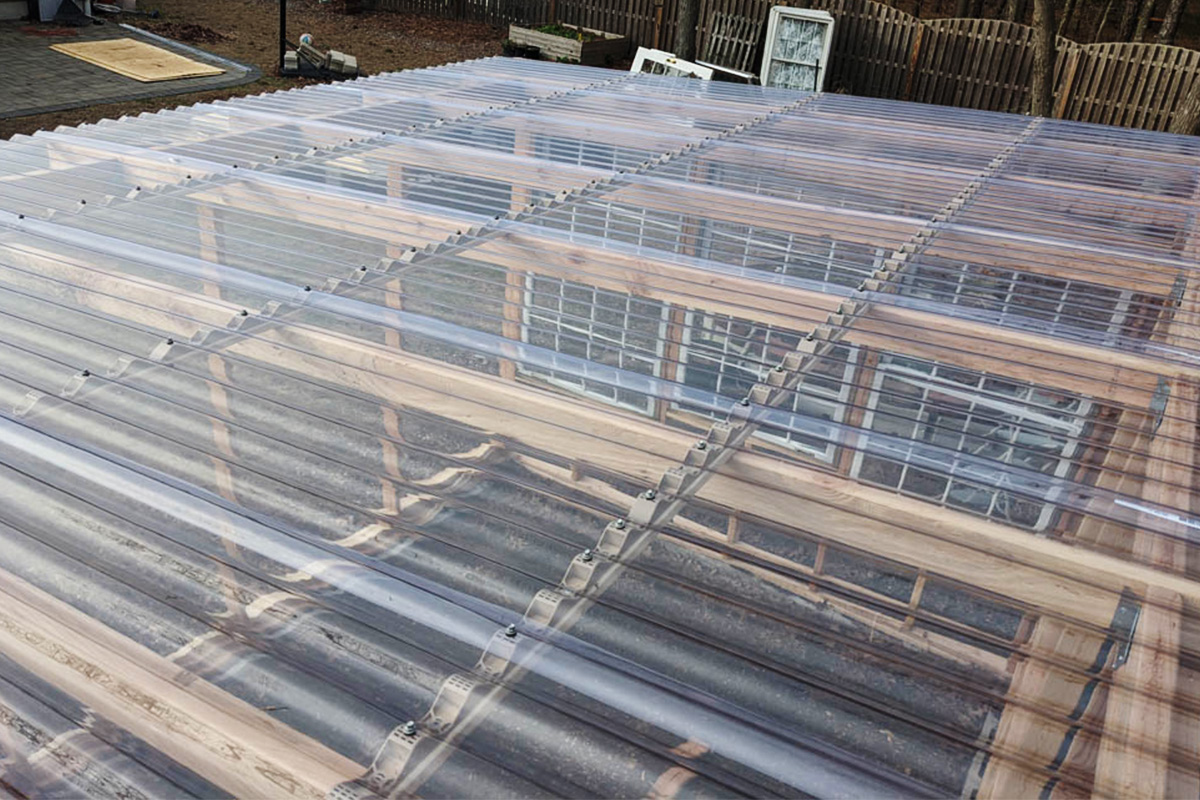
Food Processing and Cold Chain
Food Processing and Cold Chain for Milwaukee commercial buildings. Inspection, documentation, repair, maintenance, and replacement planning.
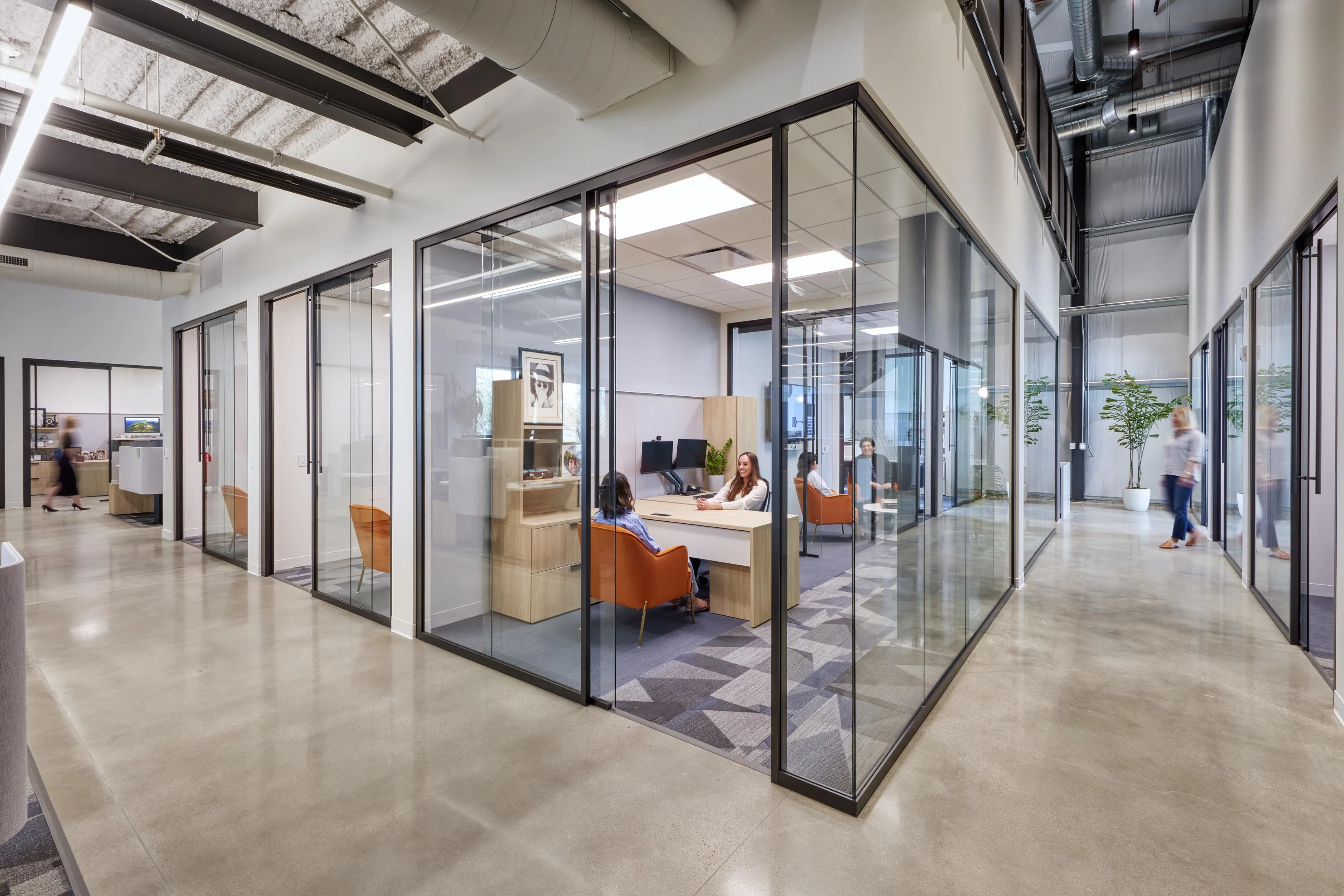
DST Roofing Services in Milwaukee, WI
Commercial roofing for Delaware Statutory Trust (DST) properties and 1031 exchange investors throughout Milwaukee, WI.

General Contractors
General Contractors for Milwaukee commercial buildings. Inspection, documentation, repair, maintenance, and replacement planning.
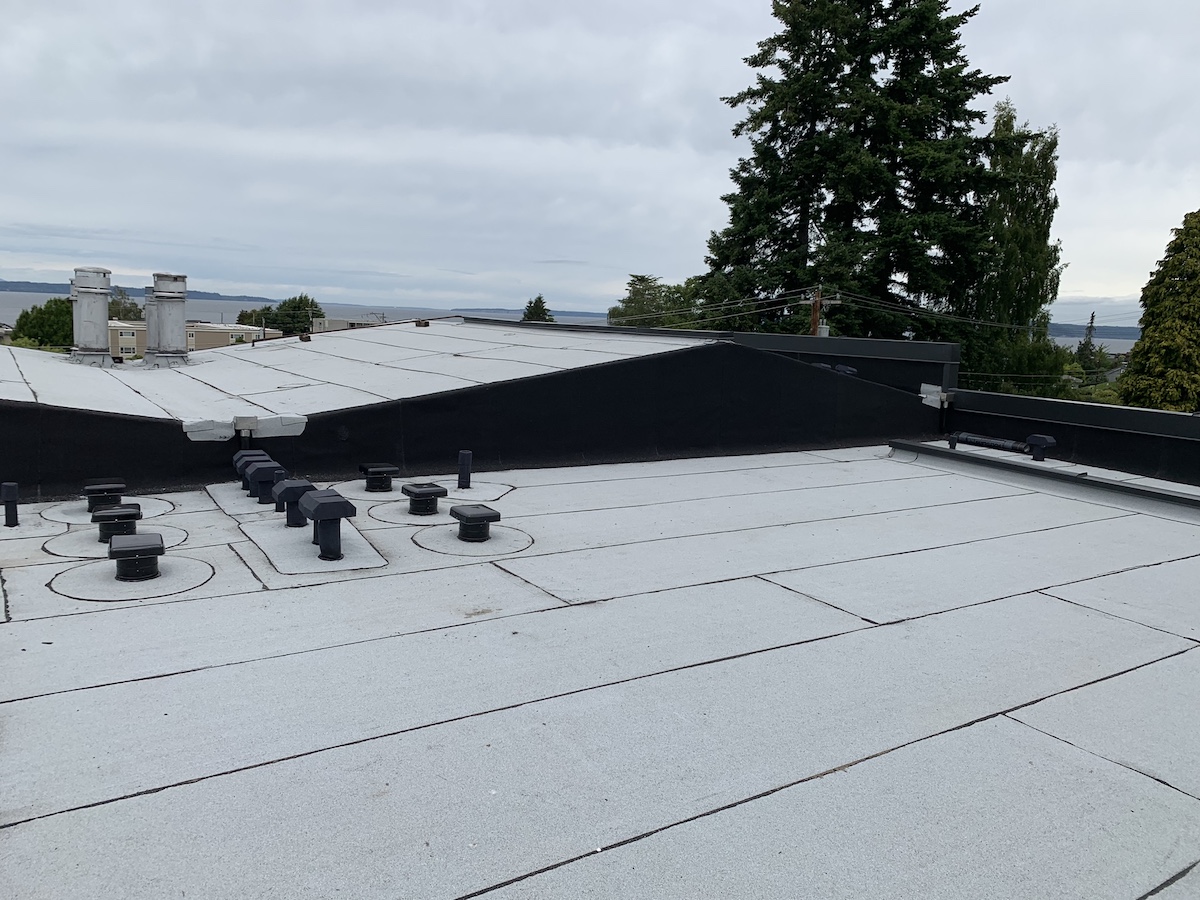
Modified Bitumen Roofing in Milwaukee, WI
Modified Bitumen Roofing for Milwaukee commercial buildings. Inspection, documentation, repair, maintenance, and replacement planning.
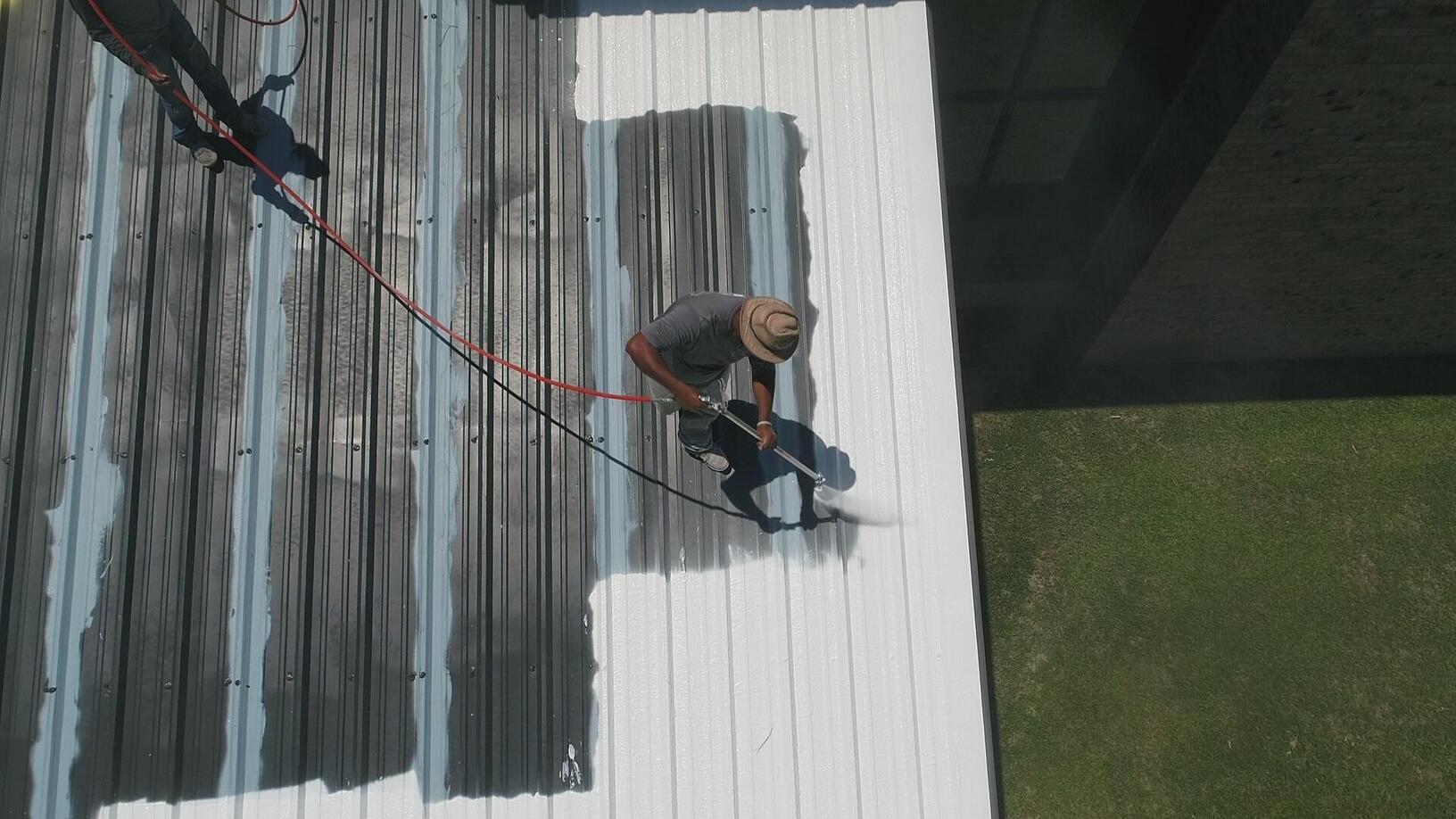
Insurance Claim Roof Documentation in Milwaukee, WI
Insurance Claim Roof Documentation for Milwaukee commercial buildings. Inspection, documentation, repair, maintenance, and replacement planning.
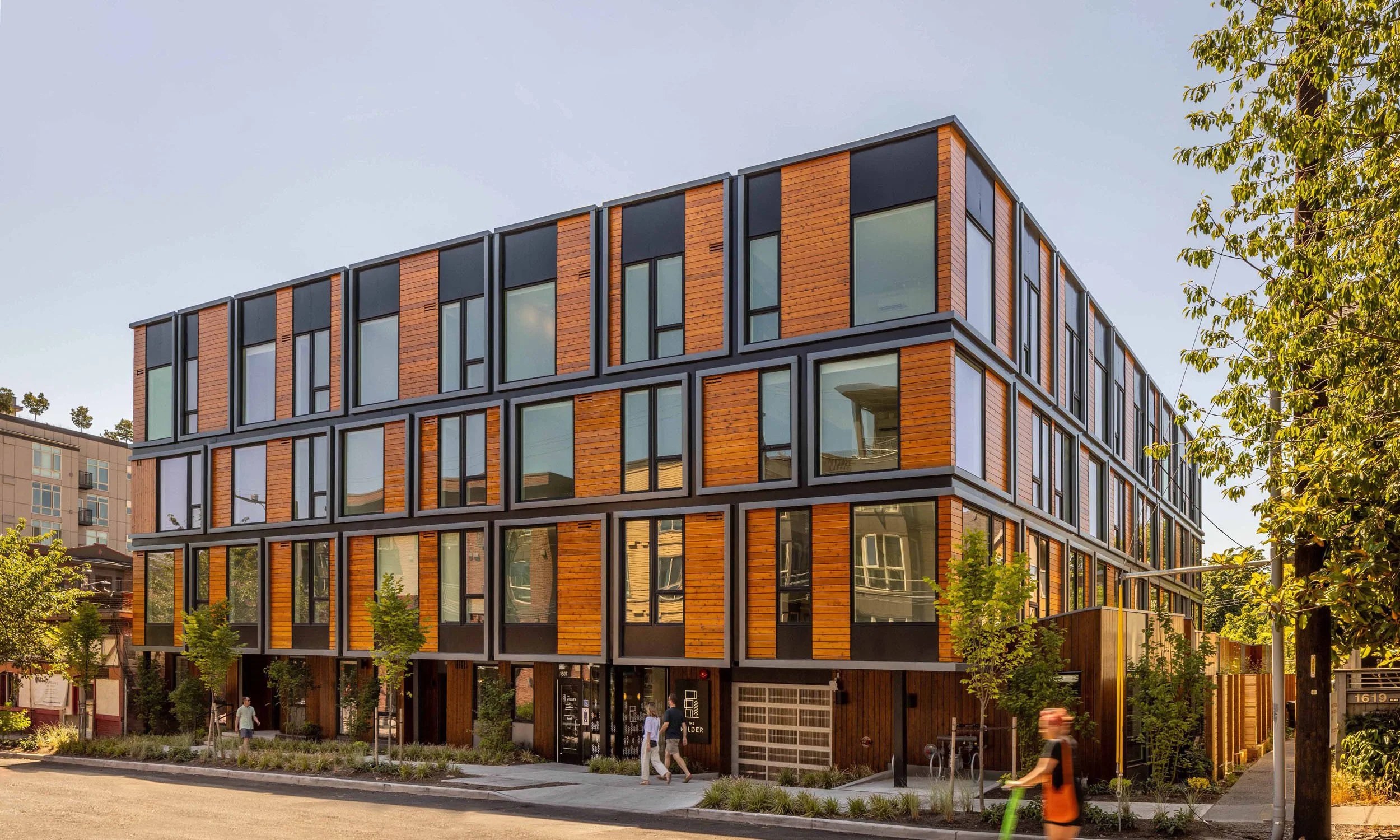
Multifamily and Apartment Building Roofing in Milwaukee, WI
Roofing for apartment complexes, multifamily housing, and HOA-managed communities throughout Milwaukee, WI.