
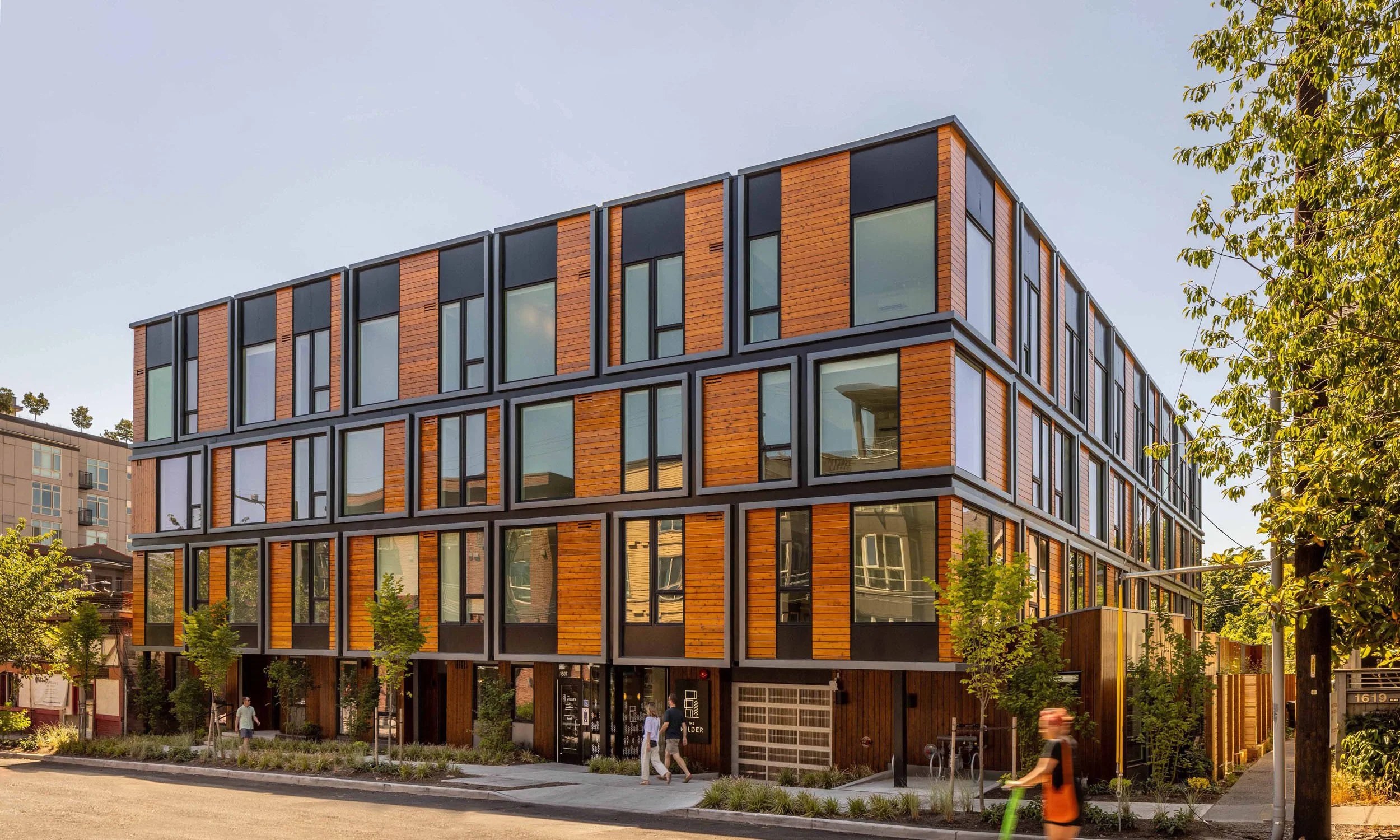
Multifamily and Apartment Building Roofing in Milwaukee, WI
Roofing for apartment complexes, multifamily housing, and HOA-managed communities throughout Milwaukee, WI.
Commercial roofing for apartment complexes, condominiums, and multifamily residential buildings.
Milwaukee's rental housing market is centered on a dense urban core of brick apartment buildings, many of them constructed in the early 20th century in neighborhoods like Riverwest, Brady Street, Bay View, and the Near North Side, alongside a substantial inventory of postwar garden-style complexes and newer suburban developments in Wauwatosa, Greenfield, and Oak Creek. Property managers and investors working across this inventory deal with roofing demands shaped by Lake Michigan's direct weather influence — lake-effect snow accumulations that can bury flat roofs under two feet of wet, heavy snow over a weekend, temperature swings that routinely span 60 degrees Fahrenheit from January lows to July highs, and a spring thaw season that tests every drainage pathway and flashing seal simultaneously.
The flat-roof apartment buildings concentrated in Milwaukee's near-east and near-west urban neighborhoods represent some of the city's most challenging roofing situations. Three- and four-story brick buildings from the 1900s through 1930s typically feature wood structural decks beneath built-up roofing that has been repaired, overlaid, and repatched over many decades. When property managers or new owners commission a genuine condition assessment of these systems — rather than accepting the prior owner's representation that the roof was "done recently" — they frequently discover that the accumulated layers of repair work have created complex drainage profiles, hidden moisture reservoirs in saturated insulation layers, and wood deck deterioration in areas where water has been sitting for years. In Milwaukee's market, where many of these urban apartment buildings change hands between investor groups, the roof condition documentation is often the most important and least reliable component of the due diligence package.
Lake-effect snow events create roofing hazards that are largely specific to communities along the western shore of Lake Michigan, and Milwaukee multifamily building owners are among the most affected in Wisconsin. A lake-effect event dropping 18 inches of dense, wet snow on a 6,000-square-foot flat roof on a Riverwest apartment building adds a structural load of tens of thousands of pounds. Buildings designed with adequate structural margin handle this without incident, but older structures with deteriorated decking, buildings where multiple overlay layers have added dead load, and buildings where drainage is obstructed and snow melts then refreezes into ice — creating even greater density — are at genuine structural risk during major accumulation events. Property managers should identify their highest-risk buildings before each winter season and have a plan for snow removal when accumulation thresholds are approached.
HOA-managed condominium communities in Milwaukee's newer developments — particularly in the Third Ward, Walker's Point, and the Harbor District waterfront redevelopment areas — face the city's weather demands on a newer generation of building types. Mixed-use buildings with retail ground floors and residential upper floors, adaptive reuse of industrial and warehouse structures, and purpose-built condo buildings with rooftop terraces or green roof elements all present complex roofing and waterproofing assemblies that require specialty expertise. When HOA boards in these communities need to address membrane failures, rooftop deck waterproofing issues, or parapet drainage problems, they need contractors with experience on these modern hybrid building types rather than general commercial contractors who primarily work on warehouse or retail structures.
Real estate investors acquiring Milwaukee multifamily properties in the value-add segment — buying underperforming assets in neighborhoods like Metcalfe Park, Lindsay Heights, or Sherman Park with the intent to stabilize and reposition — often find that the roof is the largest single capital item required to bring the building up to a standard that supports higher rents and improved tenant quality. A building with a failing roof cannot be effectively repositioned regardless of how much is spent on interior renovation, because ceiling stains, persistent moisture complaints, and visible exterior deterioration undermine the tenant perception of quality that drives lease-up at improved rents. Budgeting honestly for roof replacement as part of the acquisition business plan is a prerequisite for value-add success in Milwaukee's multifamily market.
Milwaukee's construction industry operates on a compressed seasonal schedule driven by the city's winters, and commercial roofing is no exception. The practical installation window for most low-slope roofing systems runs from approximately May through October, with membrane adhesive performance and seam welding quality affected by temperatures below 40 degrees Fahrenheit. Property managers planning major roofing projects need to initiate the planning process — scope development, contractor selection, material procurement, permit applications — in the winter months to secure contractor scheduling and material availability for the spring and summer construction season. Owners who begin the process in June are competing for scheduling slots against every other project that started planning earlier.
The energy performance implications of roofing decisions matter to Milwaukee multifamily owners in a climate where heating costs are a significant operating expense. Roof assemblies that meet or exceed the continuous insulation requirements of the Wisconsin Energy Code provide meaningful utility cost reductions for buildings where heat loss through an underinsulated roof deck has historically driven up heating bills. When replacing aging flat-roof systems, increasing insulation thickness to meet current code requirements — or exceeding them — represents an operating expense improvement that can be quantified and included in the capital project justification for investors and HOA boards evaluating the investment.
Milwaukee's rental market has been shaped by Marquette University and UW-Milwaukee student housing demand, particularly in neighborhoods adjacent to each campus, and the apartment buildings serving these populations experience above-average wear on all building systems including roofs. High unit turnover, common area wear, and less attentive maintenance reporting from student tenant populations mean that roof problems may go unreported longer than in professionally managed general-occupancy apartment communities. Building owners in Marquette's near-west corridor or the UW-Milwaukee neighborhoods of Shorewood and Whitefish Bay benefit from scheduling more frequent inspection cycles rather than relying on tenant-reported issues to surface roof problems.
For Milwaukee apartment complex owners, property managers, and HOA boards, effective roofing management in the city's demanding climate comes down to honest condition assessment, disciplined capital planning, and contractor selection that prioritizes commercial multifamily experience over the lowest bid price. A commercial roofing contractor who understands the specific demands of Milwaukee's lake-effect snow loads, the building types common in the city's multifamily inventory, and the compressed installation season that shapes project scheduling will deliver better outcomes — in system performance, project execution, and warranty coverage — than a less experienced provider offering a more attractive initial price.
Share the roof address, current issue, photos if available, and any access limits. The response can be framed around inspection, repair, maintenance, coating review, or replacement planning.
Related roof pages
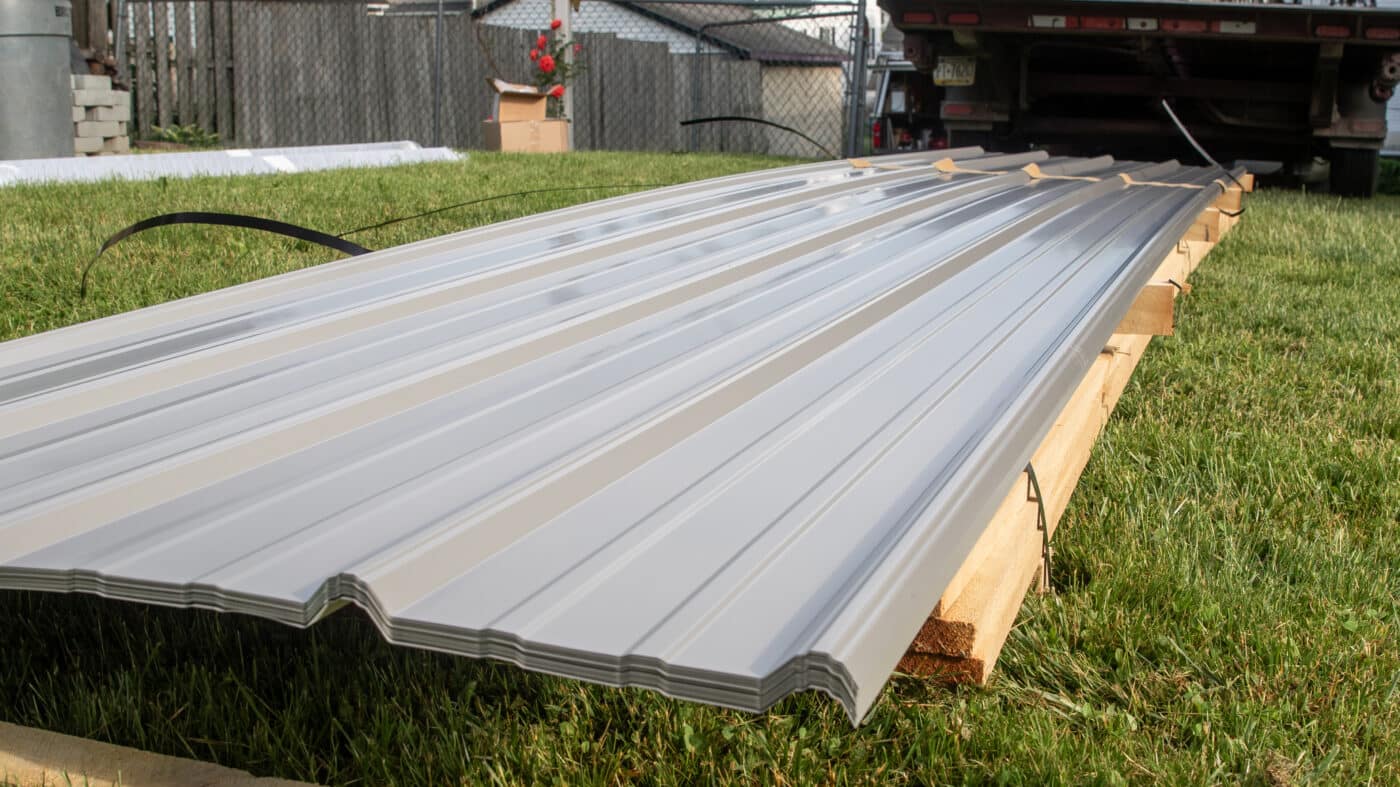
Metal R-Panel Roofing in Milwaukee, WI
Metal R-Panel Roofing for Milwaukee commercial buildings. Inspection, documentation, repair, maintenance, and replacement planning.
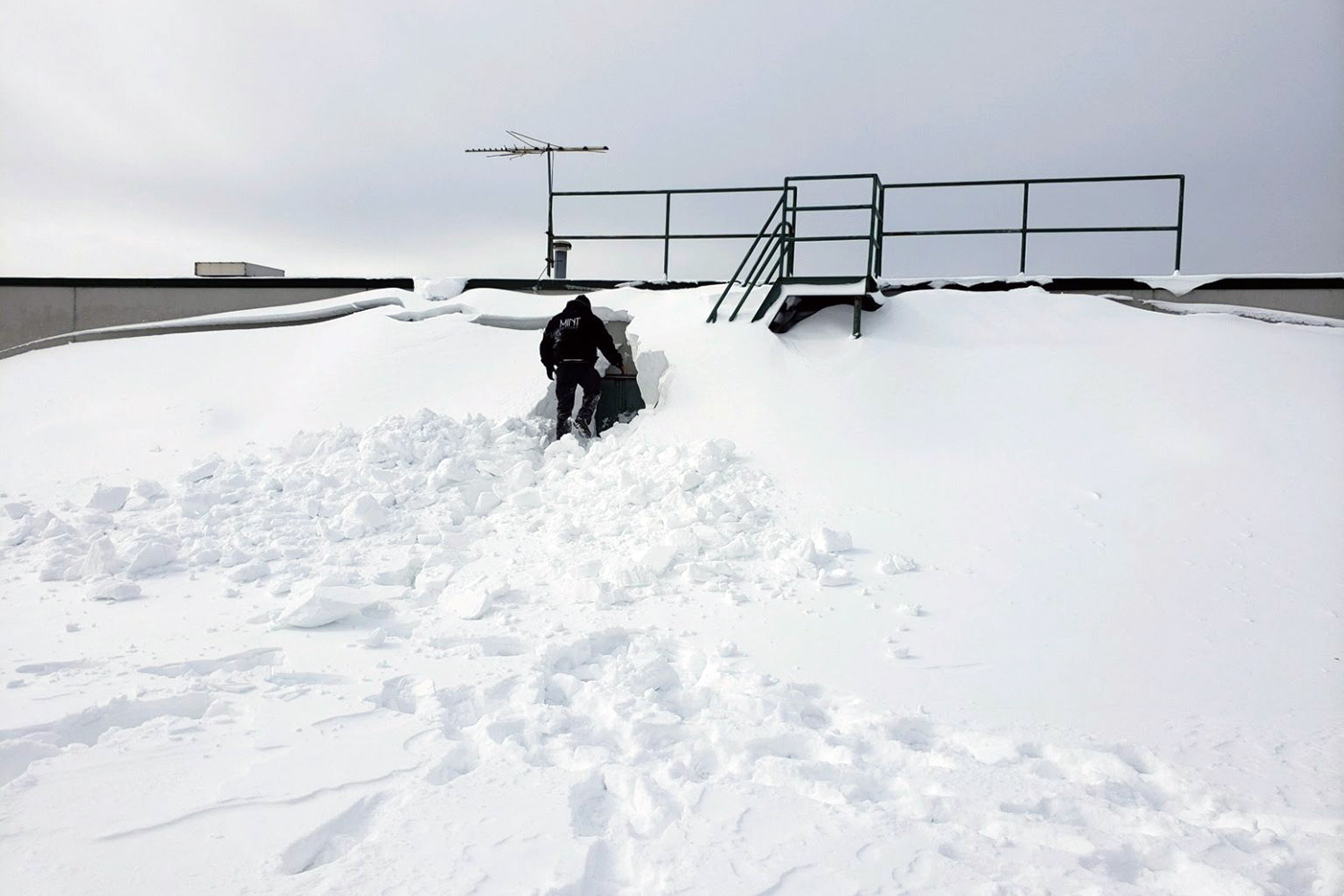
Snow and Ice Roof Damage in Milwaukee, WI
Snow and Ice Roof Damage for Milwaukee commercial buildings. Inspection, documentation, repair, maintenance, and replacement planning.
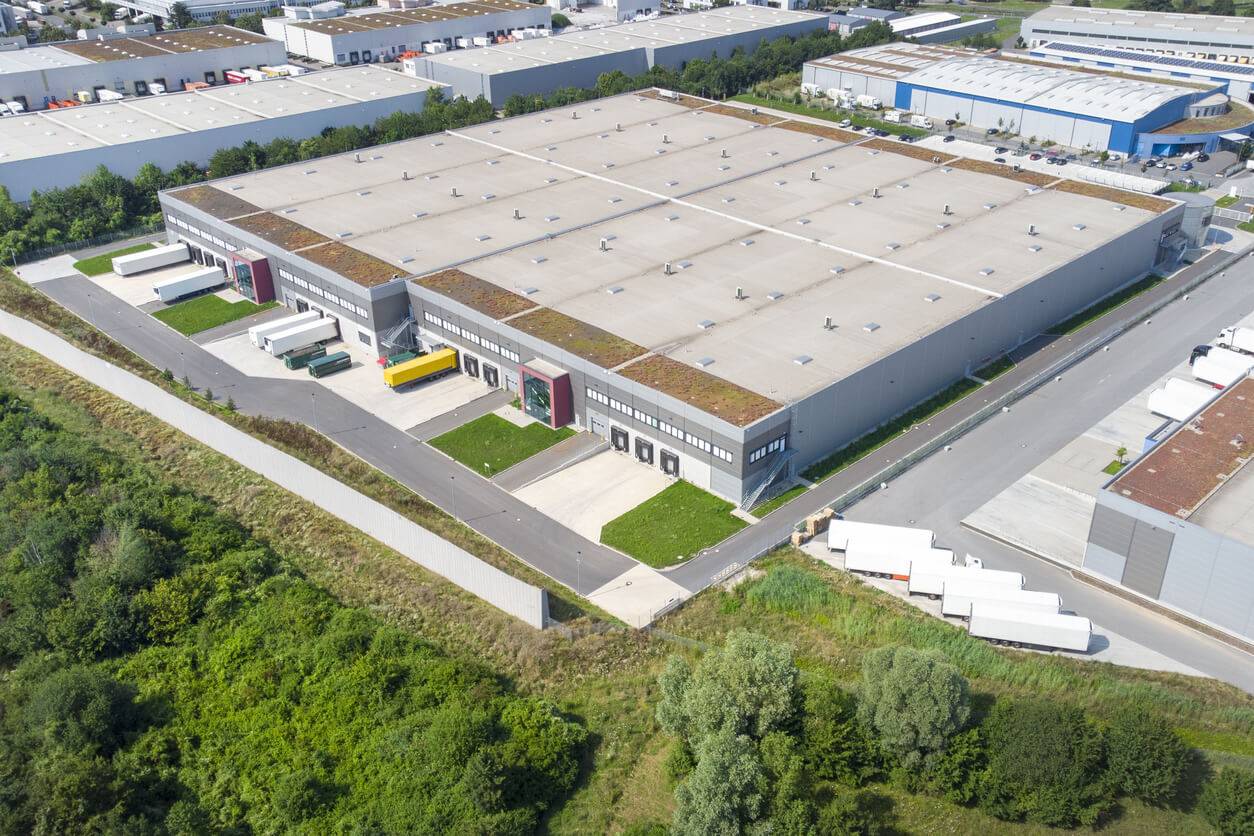
Industrial Roofing in Milwaukee, WI
Industrial Roofing for manufacturing facilities, warehouses, and industrial buildings throughout Milwaukee, WI.
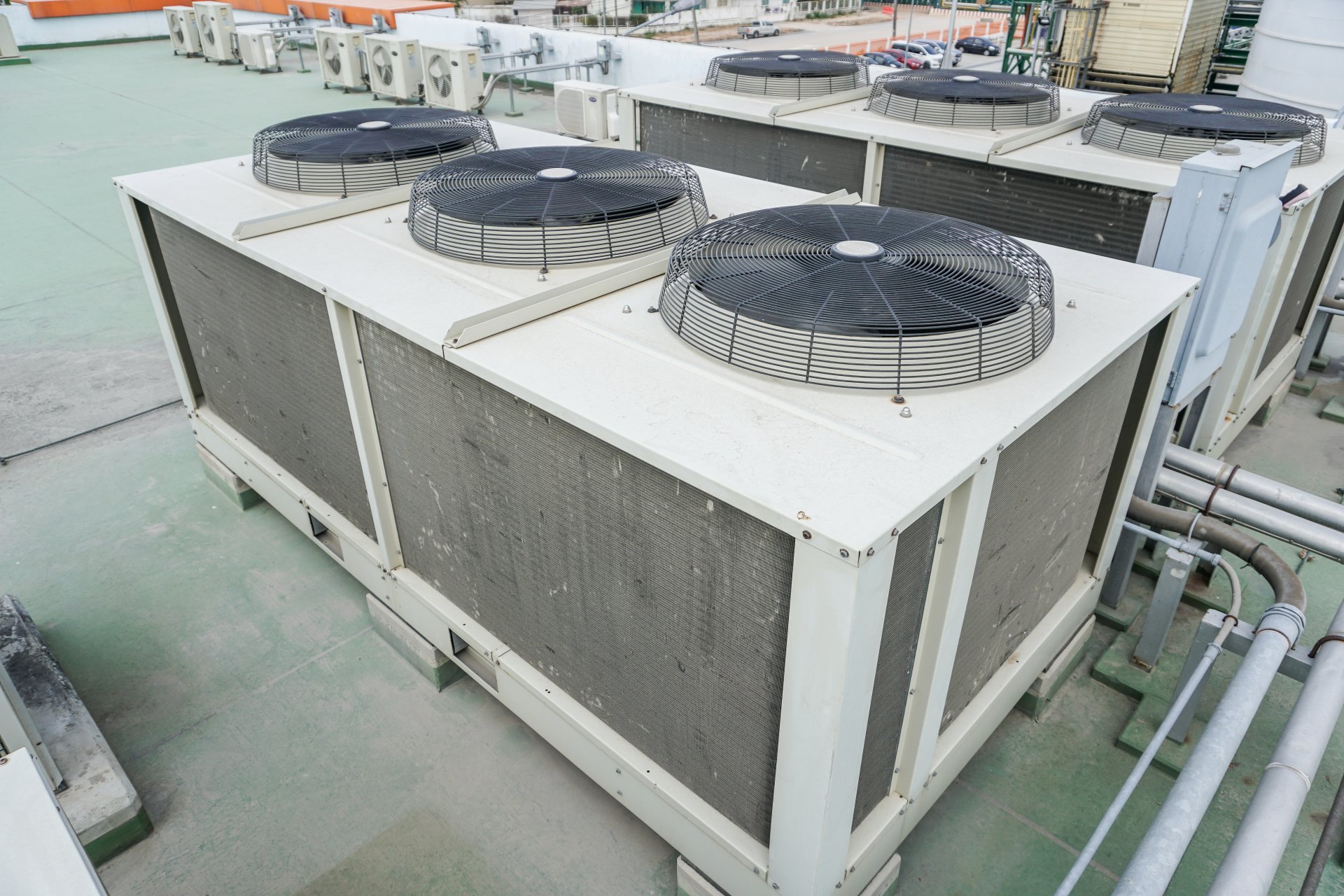
Restaurant and Food Service Building Roofing in Milwaukee, WI
Commercial roofing for restaurants, quick-service chains, breweries, and food service facilities throughout Milwaukee, WI.
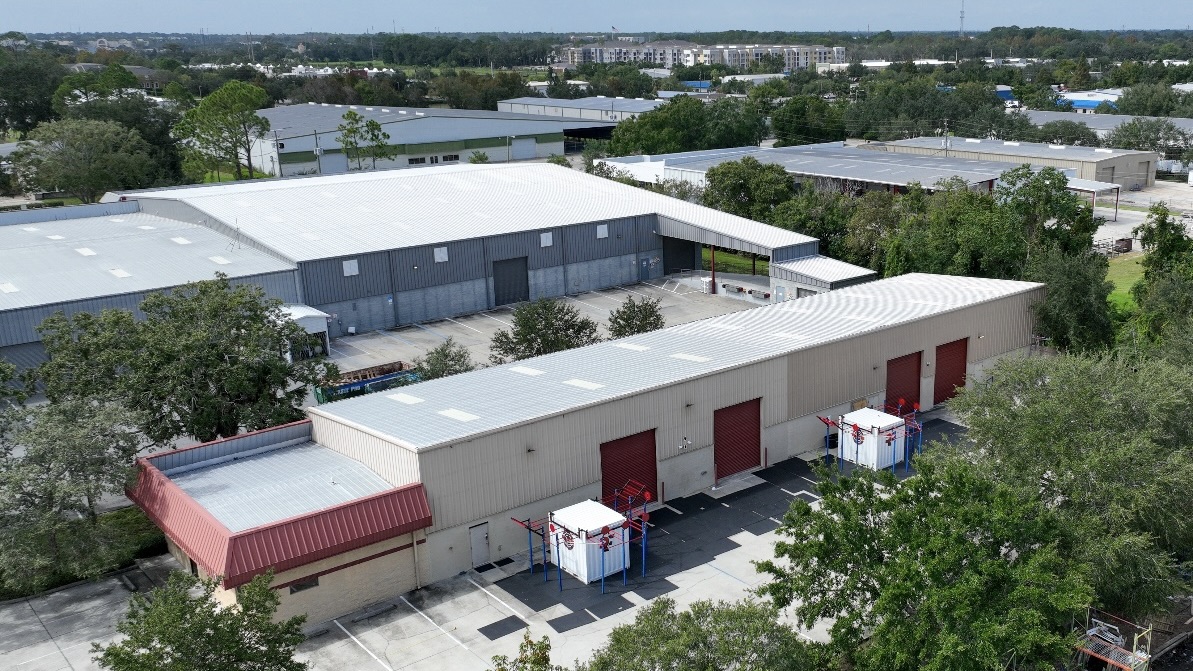
Drone & Infrared Roof Inspection in Milwaukee, WI
Aerial and thermal drone roof inspection in Milwaukee, WI: infrared moisture mapping on large low-slope roofs with no foot traffic, FAA Part 107 flights, LAANC near Mitchell, and claim-ready geotagged reports.
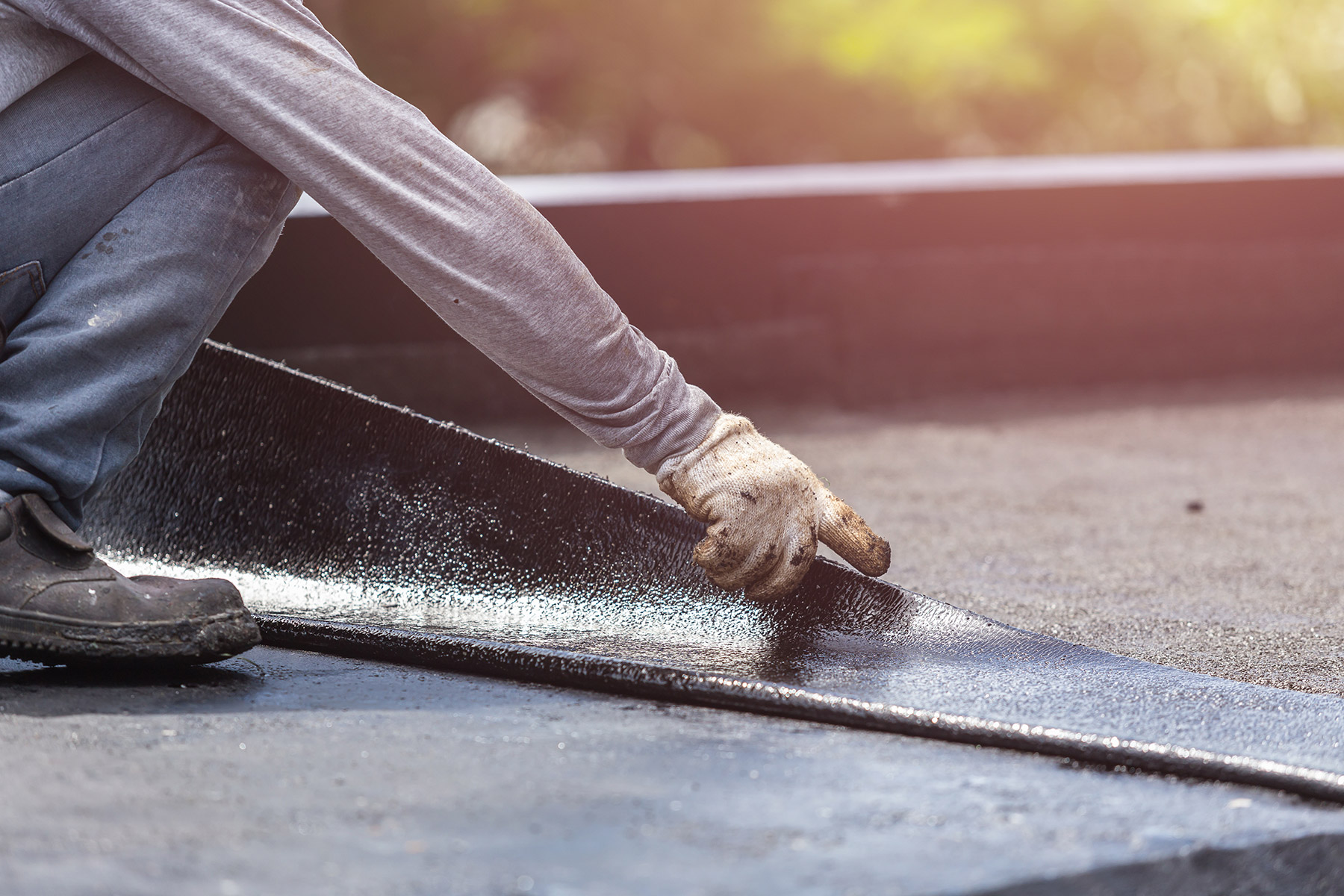
Roof Tear-Off and Replacement in Milwaukee, WI
Roof Tear-Off and Replacement for Milwaukee commercial buildings. Inspection, documentation, repair, maintenance, and replacement planning.
Architectural Sheet Metal in Milwaukee, WI
Architectural Sheet Metal for Milwaukee commercial buildings. Inspection, documentation, repair, maintenance, and replacement planning.
Government and Municipal Building Roofing in Milwaukee, WI
Commercial roofing for city halls, courthouses, fire stations, police stations, and public facilities throughout Milwaukee, WI.