
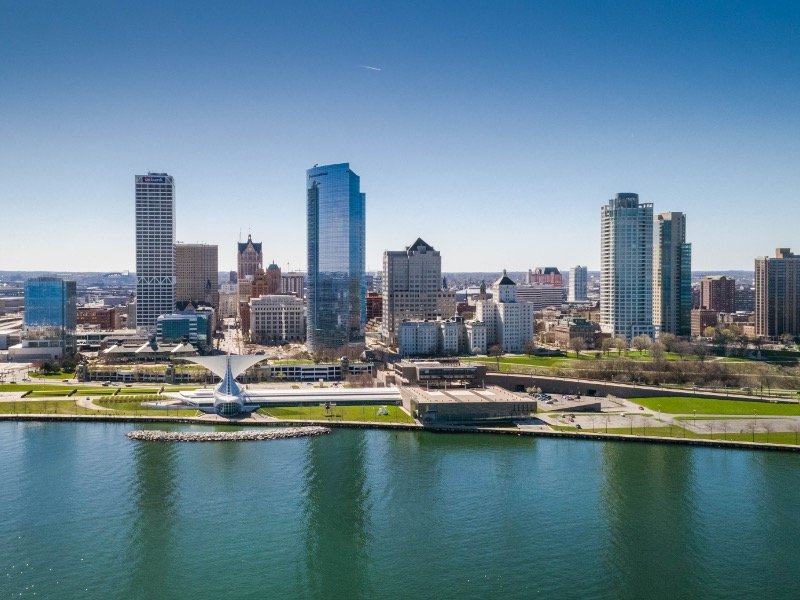
Automotive Manufacturing Roofing in Milwaukee, WI
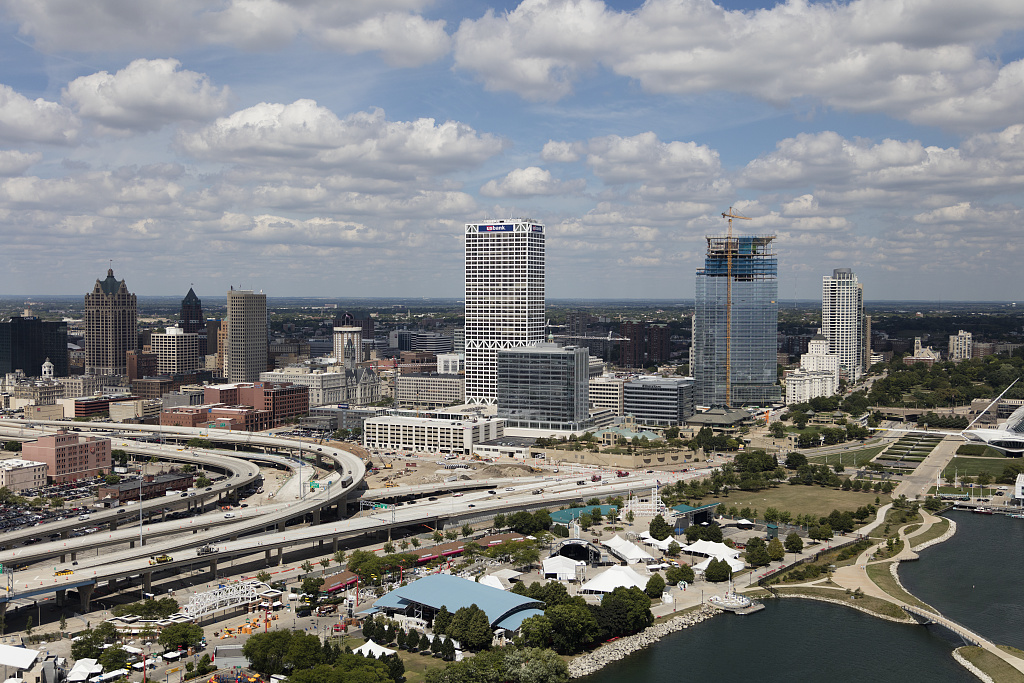
Roofing for Milwaukee automotive and heavy-manufacturing plants — very large decks, process ventilation loads, paint-shop hot-work rules, and phasing that protects multi-shift production.
Roofing for the large-scale manufacturing plants of metro Milwaukee — vast decks, process ventilation, and a production line where downtime has a price tag.
Milwaukee builds heavy things, and the roofs match
Few cities have a deeper heavy-manufacturing résumé than Milwaukee. Harley-Davidson runs its powertrain operations at the Pilgrim Road plant in Menomonee Falls; the city carries a long legacy of vehicle-frame and engine production on the north side; and a dense field of stamping, machining, and Tier supplier plants fills the Menomonee Valley and the industrial parks ringing the metro. The roofs over these operations are some of the largest single structures in the region, and they sit on top of processes that do not pause for a contractor. We approach automotive and heavy-manufacturing roofing with that reality first.
Downtime has a number, and it sets the plan
Plants like these run continuous multi-shift schedules, and the facility-engineering team can usually tell you to the hour what a production interruption costs. That number is the governing constraint on every decision we make. Before we are even under contract, we want the shift schedule and a map of which roof zones sit over active lines, because the roofing plan has to be built around production continuity rather than around what is convenient for the crew.
These are among the largest roof decks anywhere
An assembly or stamping plant can carry hundreds of thousands to a few million square feet of roof under one envelope. A deck that size cannot be reroofed as one job. We section it into manageable zones, sequence tear-off and material delivery to stay within crane reach and on-site storage limits, and keep adjacent zones in production while the active phase proceeds. The logistics coordination is the difference between a clean phased reroof and a project that ends up disrupting the floor it was supposed to protect.
Process ventilation and the paint shop change the rules
Heavy manufacturing pushes a lot of air. Weld smoke extraction, process exhaust, and large makeup-air units mean a crowded roof with high-volume penetrations that each need a curb and flashing built for continuous airflow. The paint shop is its own world: paint operations generate solvent vapor and carry fire-suppression requirements that drive hot-work permitting, adhesive selection, and torch restrictions. Over or next to active paint zones, solvent-based adhesives and open flame are off the table — we specify cold adhesive or mechanical attachment and build the hot-work plan with your EHS team before anyone touches that area.
Press vibration works on seams over time
Stamping, casting, and powertrain equipment transmits real vibration up to the deck. Standard single-ply seam design is fine for an ordinary commercial building, but the frequencies that a large press line throws off can fatigue a poorly welded or adhesive-bonded seam over the years. In press-adjacent zones we account for that exposure in both the membrane specification and the welding procedure, so the seams hold up to the machinery running beneath them.
Documentation built to your corporate standard
Manufacturing closeout is paperwork-heavy: safety qualification, a site-specific safety plan, OSHA log summary, warranty registration, a roof-zone diagram with a penetration inventory, daily reports, permits, and a photographed condition survey. Larger plants want all of it formatted to their corporate facility-management standard, and we deliver it that way.
A reroof that respects the structure underneath
The older heavy-manufacturing buildings in this region were built for the loads of their era, and decades of added rooftop equipment, re-roofs layered over re-roofs, and process changes can push a deck closer to its limit than anyone realizes. Before we set insulation thickness or choose between a recover and a full tear-off, we confirm the existing deck capacity and the total weight already in place. On a plant deck that already carries heavy condensers, dust collectors, and makeup-air units, adding a thick new assembly without checking the structure is a mistake we will not make. Where a building cannot take more weight, a tear-off back to deck with a lighter assembly is often the right answer even though it is more work, because it resets the load rather than compounding it.
Tear-off, recover, and keeping the plant dry through winter
Phasing a million-square-foot roof through a Milwaukee winter is its own discipline. We plan the sequence so that no zone is ever left open ahead of weather, daily tear-off is sized to what we can dry in before the crew leaves, and temporary protection is rated for real snow and wind rather than a single calm afternoon. Lake-effect snow and sudden temperature swings are the norm here, and a plant that runs around the clock cannot absorb water coming through an open deck onto live equipment. We would rather take smaller daily bites and stay watertight than chase square footage and gamble against the forecast. That conservatism is exactly what the cost-per-hour of your production demands.
Common questions from plant engineering
How do you keep production running during the reroof?
Production continuity governs the whole scope. We document the shift schedule with your engineering team, map which zones sit over active lines, phase the work zone-by-zone to stay clear of production, confirm watertight dry-in before each shift change, and keep direct contact with your maintenance lead throughout.
How do you handle hot-work limits over the paint shop?
Any torch, grinder, or welding over or near paint operations is pre-approved through your EHS team. We build the hot-work permit plan in preconstruction and specify cold adhesive or mechanical attachment where torch exclusions apply.
What membrane do you use on large-span plant roofs?
Usually a 60- or 80-mil TPO, mechanically attached, with fully adhered systems in paint zones where fastener patterns conflict with hot-work limits. Tapered insulation goes into areas with documented drainage problems, and we confirm deck capacity before setting insulation thickness.
Do you work on Tier 1 and Tier 2 suppliers?
Yes. Supplier plants carry the same coordination demands as OEM facilities, often with just-in-time schedules that tolerate zero interruption. We document the schedule, sequence around it, and stay in daily contact with your facilities lead.
What documentation do you provide?
Safety qualification, site-specific safety plan, OSHA log summary, warranty registration, a roof-zone and penetration diagram, daily reports, permit records, and a photographed condition survey — formatted to your plant's standard.
Share the roof address, current issue, photos if available, and any access limits. The response can be framed around inspection, repair, maintenance, coating review, or replacement planning.
Related roof pages
Casino & Entertainment Complex Roofing in Milwaukee, WI
Commercial roofing for casino & entertainment complex roofing in Milwaukee, WI — specifications, scheduling, and project coordination for this building type.
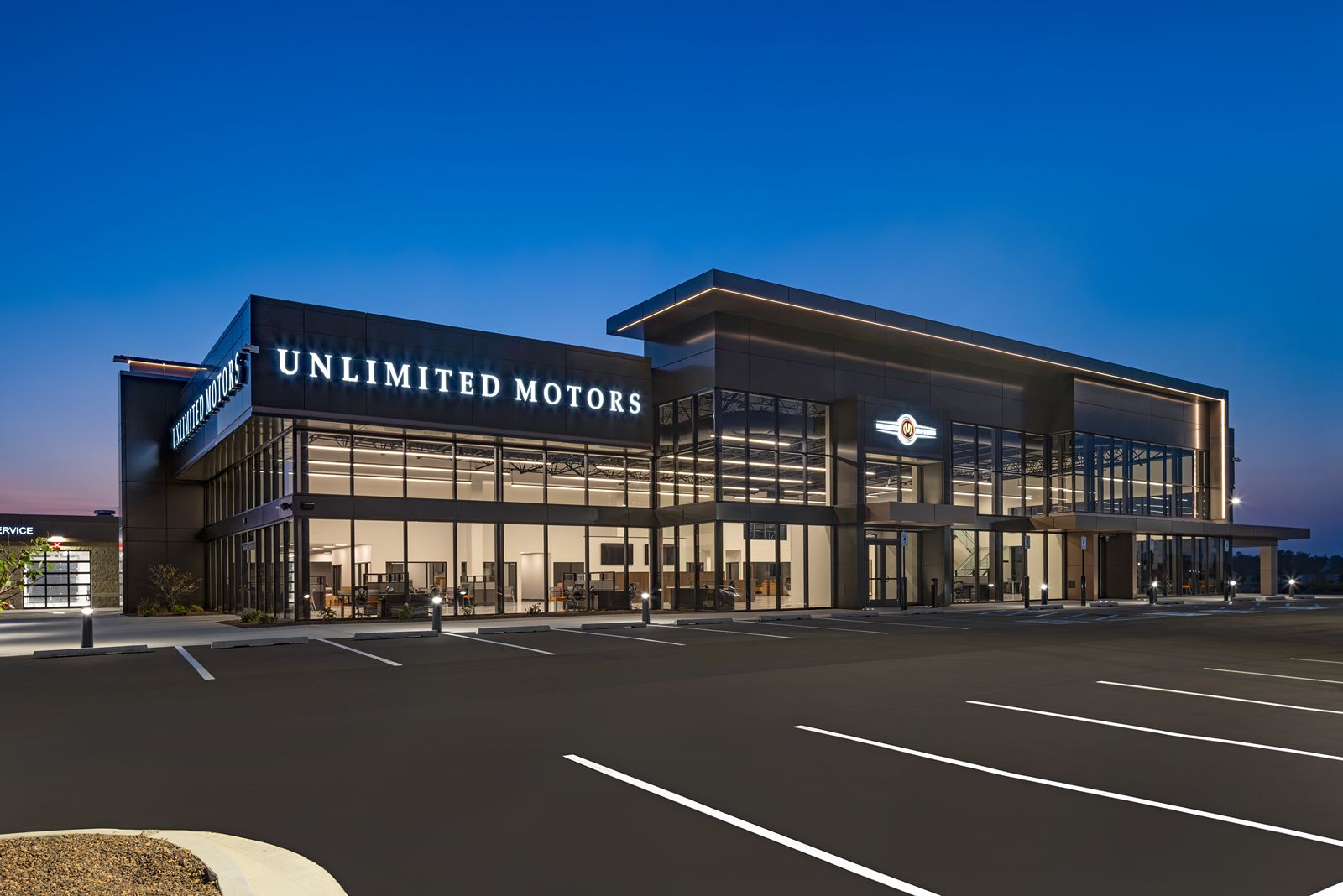
Auto Dealership Roofing in Milwaukee, WI
Commercial roofing for auto dealerships, car lots, service centers, and automotive facilities throughout Milwaukee, WI.
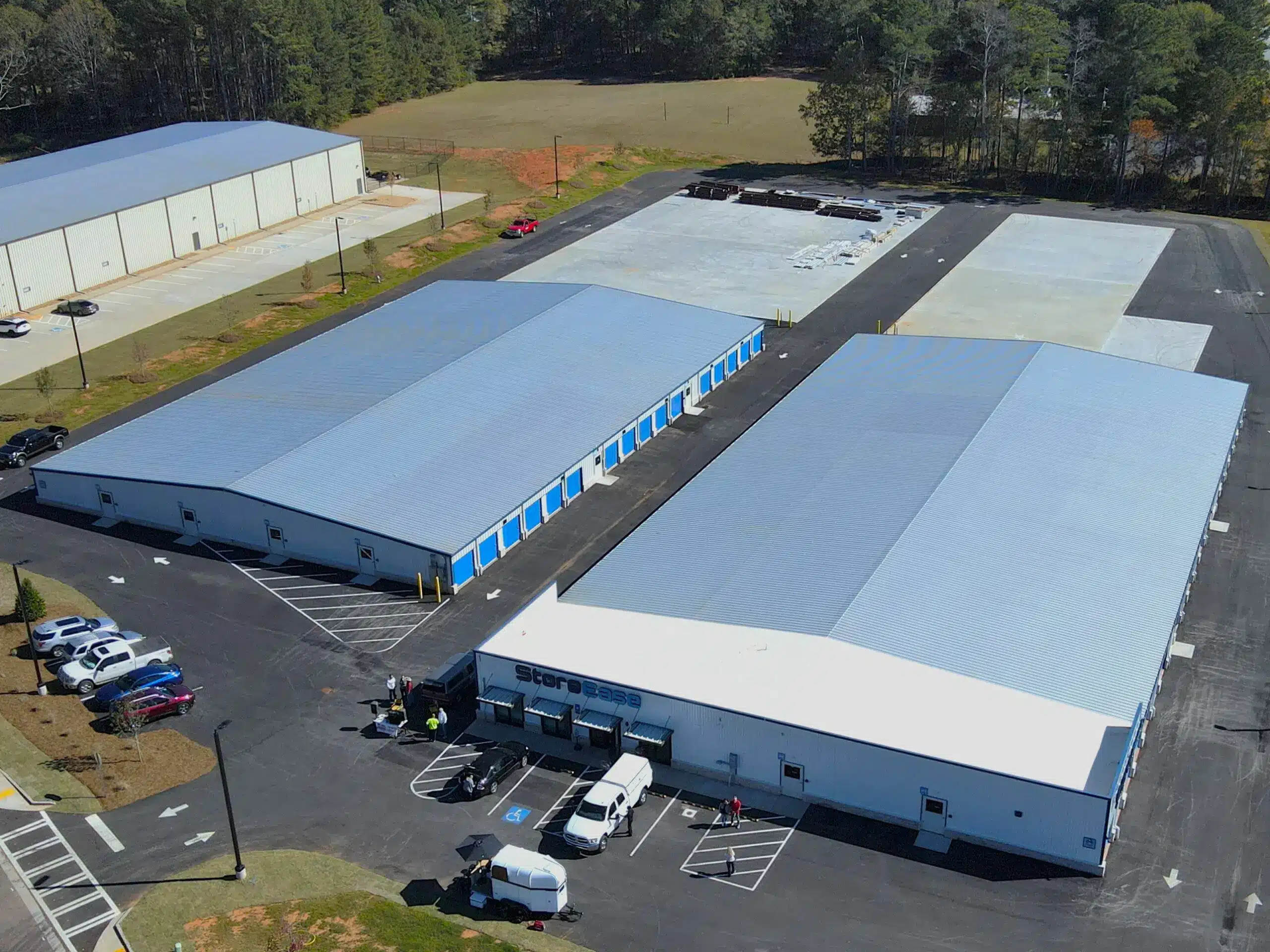
Self-Storage Facility Roofing in Milwaukee, WI
Commercial roofing for self-storage facilities, mini-storage buildings, and climate-controlled storage properties throughout Milwaukee, WI.
Movie Theater & Cinema Roofing in Milwaukee, WI
Roofing for Milwaukee movie theaters and cinemas — long clear-span decks, sound-quieting insulation, dense per-auditorium HVAC, and work scheduled around showtimes.
Sports & Recreation Facility Roofing in Milwaukee, WI
Roofing for sports and recreation facilities in Milwaukee, WI — long clear spans, natatorium humidity and chloramine, and public-bid procurement handled correctly.
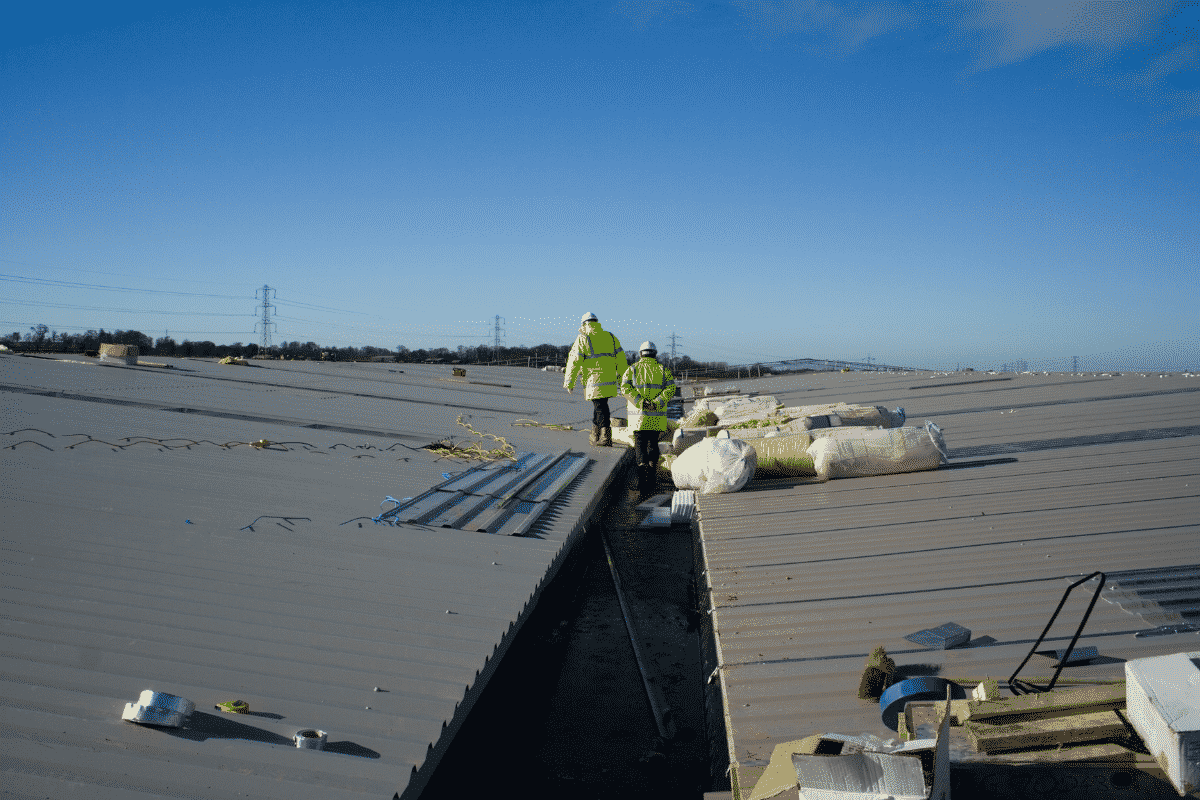
Commercial Roof Preventive Maintenance Program in Milwaukee, WI
Commercial Roof Preventive Maintenance Program in Milwaukee, WI — commercial roofing assessment, documentation, and program management for WI property owners.
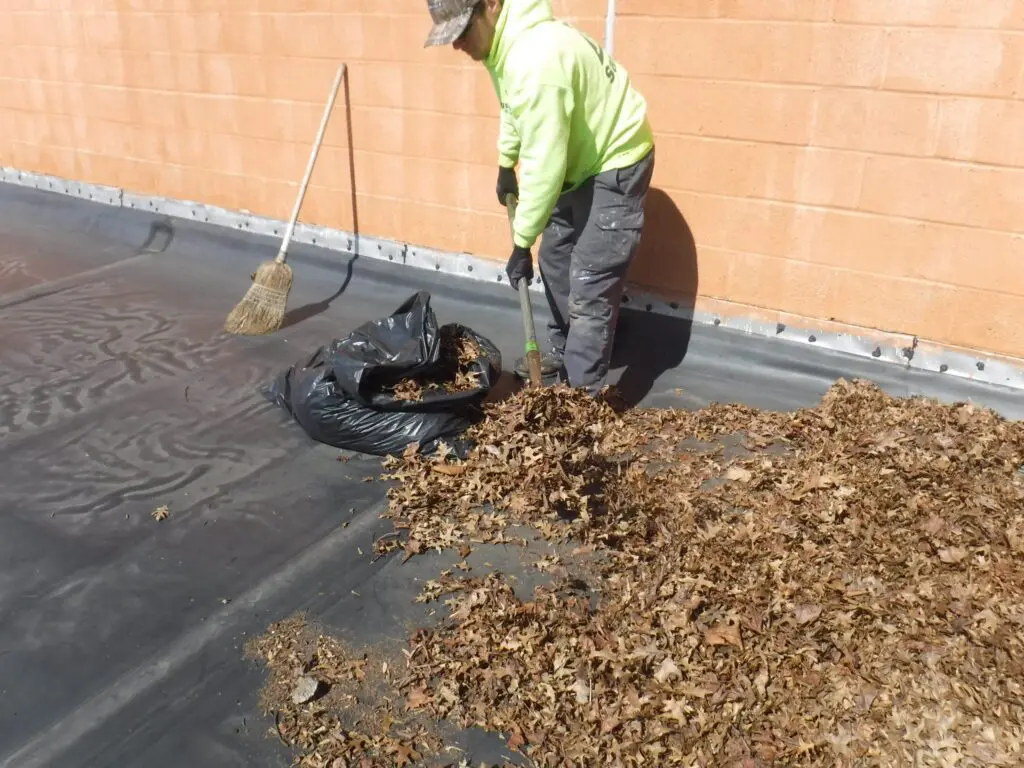
Preventive Roof Maintenance Programs in Milwaukee, WI
Preventive Roof Maintenance Programs for Milwaukee commercial buildings. Inspection, documentation, repair, maintenance, and replacement planning.