
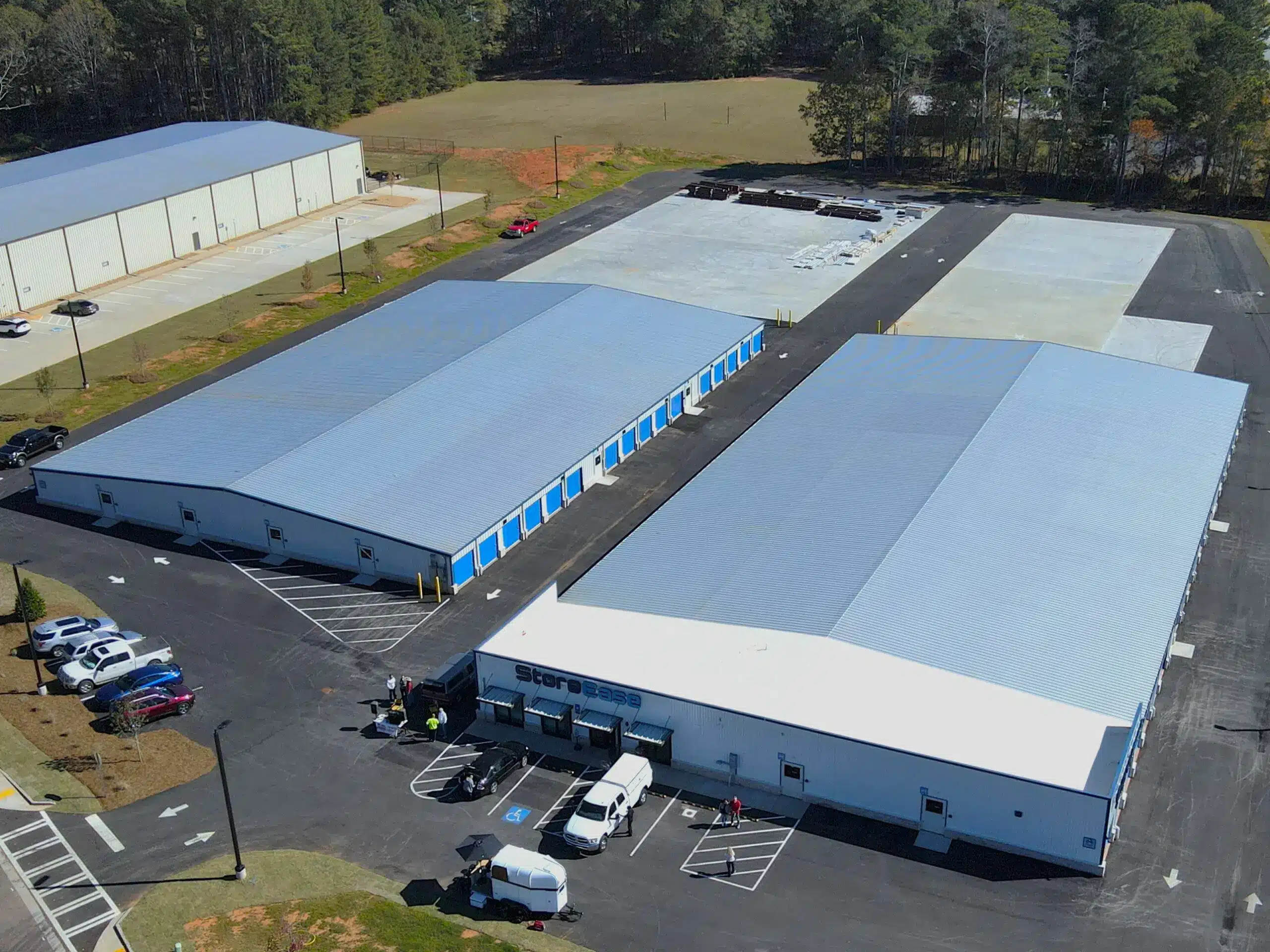
Self-Storage Facility Roofing in Milwaukee, WI
Commercial roofing for self-storage facilities, mini-storage buildings, and climate-controlled storage properties throughout Milwaukee, WI.
Commercial roofing for self-storage facilities, mini-storage units, and climate-controlled storage.
Life Storage — rebranded as Extra Space Storage following the 2023 merger — operates multiple locations throughout Milwaukee and its suburbs, including large-format facilities in Wauwatosa, Greenfield, and the Walker's Point neighborhood, and those properties face the full severity of Lake Michigan's influence on Wisconsin winter weather. Milwaukee's climate is materially harsher than Madison's in several respects: the lake-effect snow machine that activates when cold air crosses Lake Michigan can bury the city in 18 inches of snow in a single event, and the proximity to the lake keeps temperatures hovering near freezing for extended periods that maximize freeze-thaw cycling frequency.
Snow load design for Milwaukee storage facilities must account for lake-effect accumulation that can be substantially heavier than the statewide design values suggest for a building at Milwaukee's latitude. Properties in the immediate lakefront zone and in neighborhoods on the south side of the city can receive significantly more snow per event than properties in communities just 30 miles to the west. A structural engineer performing a snow load assessment for a Milwaukee storage building should consider local topography and lake-effect patterns, not just statewide code tables.
Roof snow removal is an active maintenance requirement for Milwaukee storage operators, not a theoretical concern. The lake-effect system that deposited 19 inches on Milwaukee's south side in a January 2019 event illustrates the risk. A storage campus with 80,000 square feet of combined roof area that accumulates 18 inches of wet snow is carrying approximately 3,200 tons of additional dead load — well beyond what most structures were designed for. Operators should have a written snow removal protocol, an identified contractor available for emergency deployment, and load monitoring procedures for buildings with marginal structural capacity.
Freeze-thaw cycling in Milwaukee rivals Portland, Maine in intensity because the lake modulates temperatures near the freezing point for weeks at a time during early winter and late spring. The city often experiences days of temperatures cycling between 28 and 38 degrees Fahrenheit in November and March — conditions that maximize melt-refreeze cycling at every vulnerable point in the roofing system. Ice dam formation at parapet walls, drain sumps, and the transitions between conditioned and unconditioned building sections is a chronic maintenance issue that requires active management rather than a one-time design solution.
Drainage on Milwaukee storage buildings must handle both rapid snowmelt and spring rain simultaneously — the worst-case scenario for a low-slope roof. April in Milwaukee can deliver a combination of rain-on-snow events where warm rain melts a two-foot snowpack rapidly while simultaneously delivering another inch of liquid precipitation. Internal drain systems must have adequate capacity for this maximum event, and overflow scuppers must be positioned to provide genuine emergency relief rather than marginal overflow capacity.
Tenant protection during Milwaukee roofing projects requires the same cold-weather protocols as other Wisconsin markets, but with the additional constraint of lake-effect snow that can arrive with little warning even in months when it is not typically expected. Lake-effect snow events have been documented as late as April and as early as October in Milwaukee. Contractors must be prepared to deploy emergency tarp protection on short notice regardless of the forecast, and should never leave open deck exposed without a deployment-ready protection plan.
EPDM has the longest track record on Milwaukee storage buildings and remains the preferred membrane for many operators, particularly on older structures where the roof geometry and penetration density favor a flexible, forgiving membrane. Fully adhered 60-mil EPDM on a polyisocyanurate insulation base has been the standard Milwaukee storage roofing assembly for three decades and its performance record is well-established. Ballasted EPDM systems on older buildings should be evaluated for structural adequacy before assuming they can support continued ballast plus potential snow accumulation.
Heat-traced drain systems are a standard feature on Milwaukee climate-controlled storage buildings. Drain sump heating cables and heat tape in the first 15 to 20 feet of downspout prevent ice blockage during the extended near-freezing periods that characterize Milwaukee winters. The cost of heat-tracing a drain system is modest compared to the cost of a single emergency drain-thaw service call during a February ice event — and heat-traced drains also prevent the structural ice loading that results when ponded water freezes on the roof surface.
Preventive maintenance for Milwaukee storage properties should include the four-inspection protocol used in all upper Midwest markets — pre-winter, mid-winter, post-winter, and late summer — plus an emergency response protocol for lake-effect events that arrive outside normal winter scheduling. The mid-winter inspection in January or February is particularly important for Milwaukee because it provides a real-time assessment of snow accumulation patterns, ice dam formation, and drain function under actual winter conditions rather than inferred from design parameters alone.
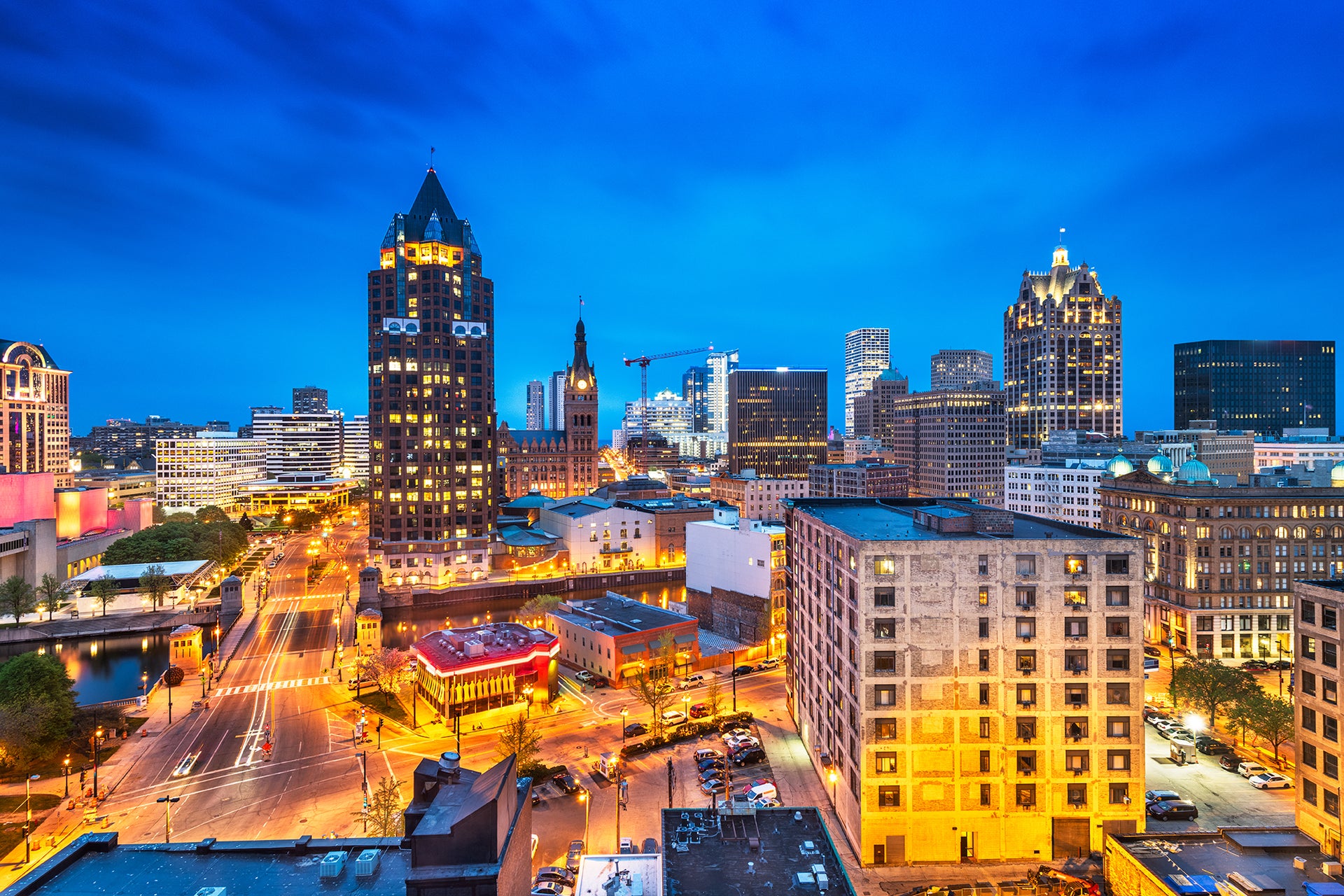
Share the roof address, current issue, photos if available, and any access limits. The response can be framed around inspection, repair, maintenance, coating review, or replacement planning.
Related roof pages
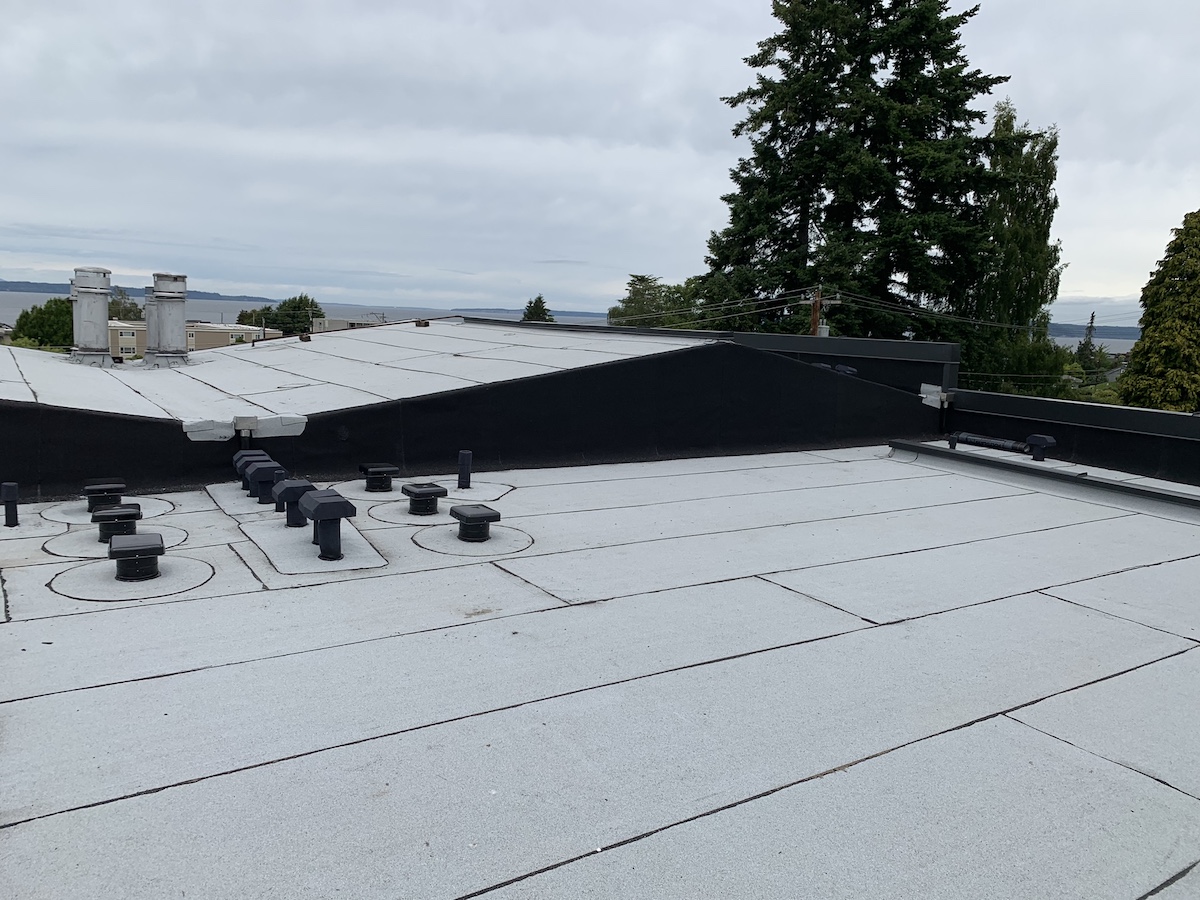
Modified Bitumen Roofing in Milwaukee, WI
Modified Bitumen Roofing for Milwaukee commercial buildings. Inspection, documentation, repair, maintenance, and replacement planning.
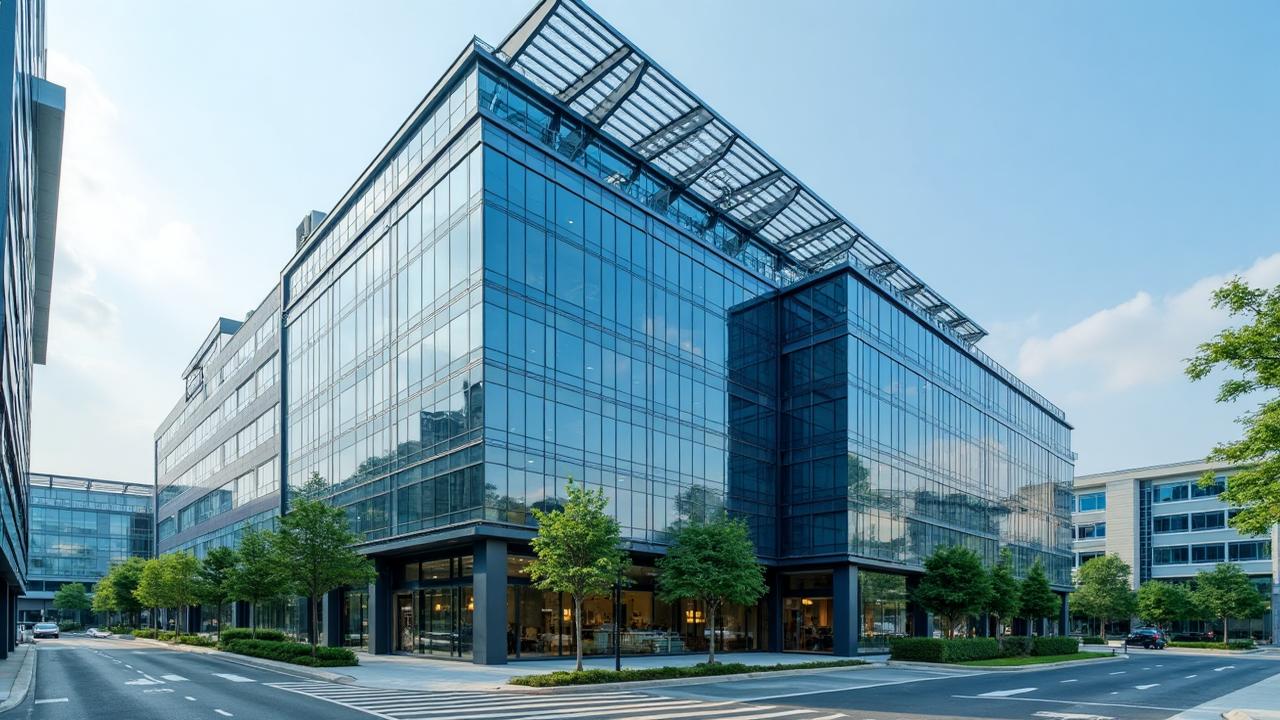
Roof Inspection and Condition Reports in Milwaukee, WI
Roof Inspection and Condition Reports for Milwaukee commercial buildings. Inspection, documentation, repair, maintenance, and replacement planning.
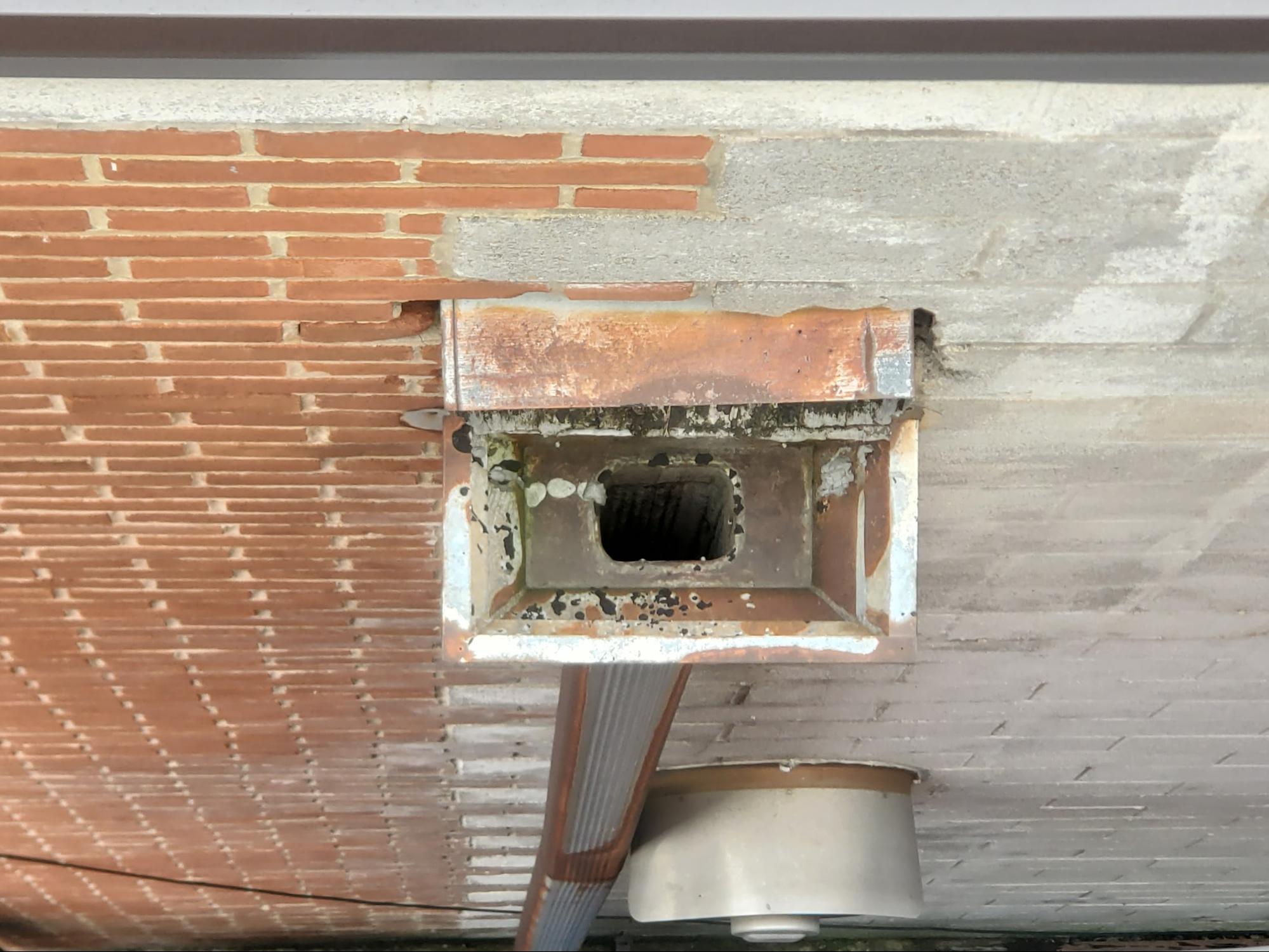
Roof Drains and Scuppers in Milwaukee, WI
Roof Drains and Scuppers for Milwaukee commercial buildings. Inspection, documentation, repair, maintenance, and replacement planning.
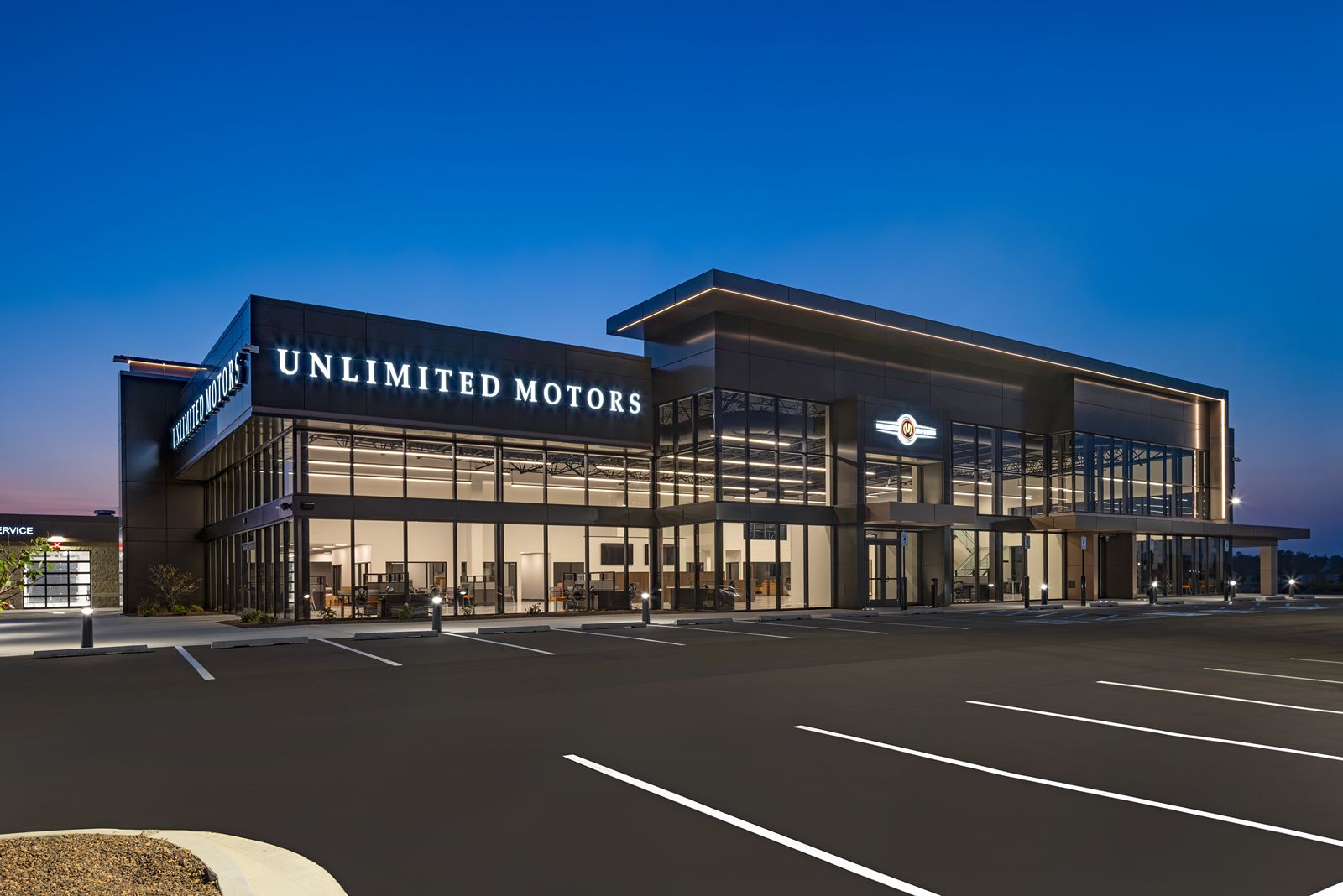
Auto Dealership Roofing in Milwaukee, WI
Commercial roofing for auto dealerships, car lots, service centers, and automotive facilities throughout Milwaukee, WI.
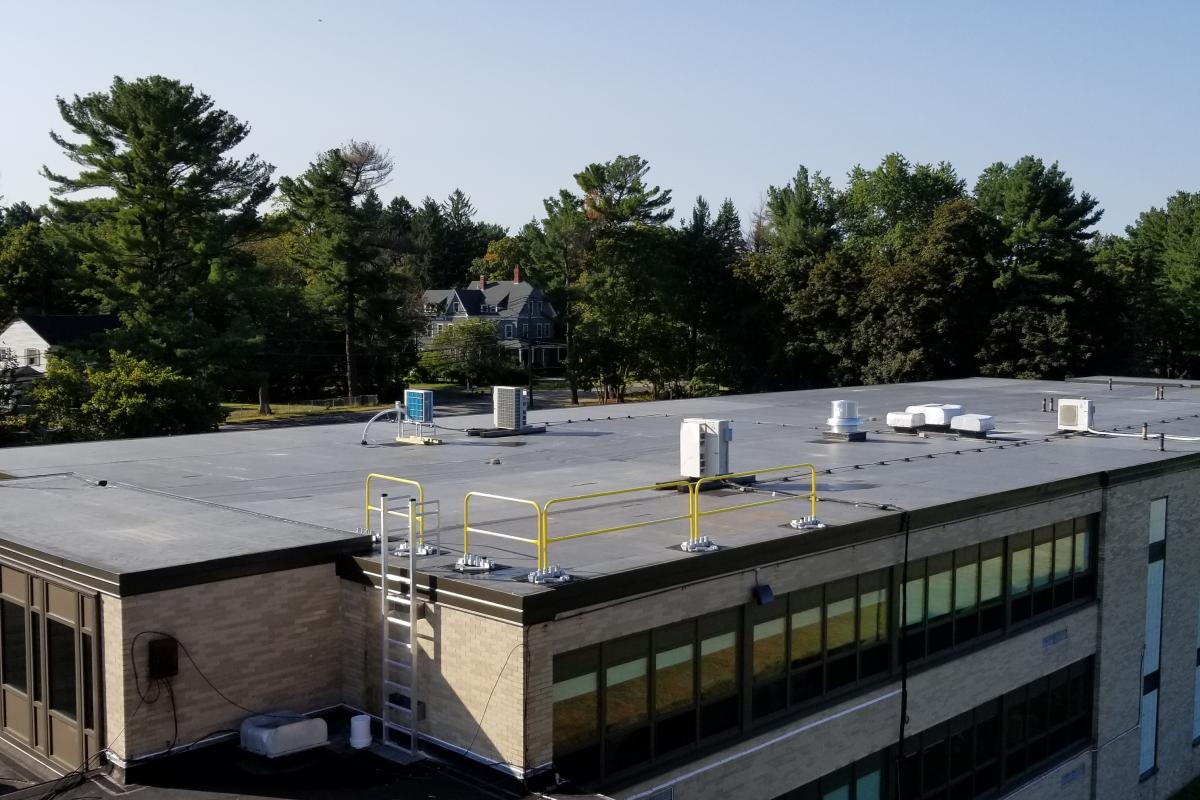
Government and Municipal Building Roofing in Milwaukee, WI
Commercial roofing for city halls, courthouses, fire stations, police stations, and public facilities throughout Milwaukee, WI.
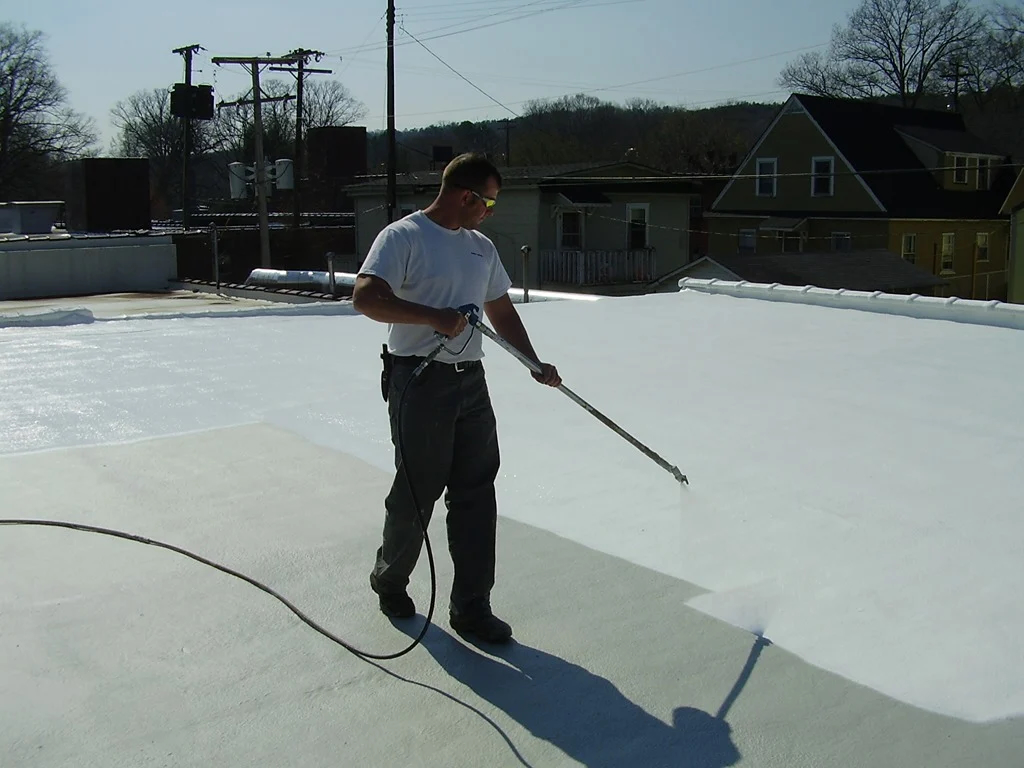
Spray Foam Roofing in Milwaukee, WI
Spray Foam Roofing for Milwaukee commercial buildings. Inspection, documentation, repair, maintenance, and replacement planning.
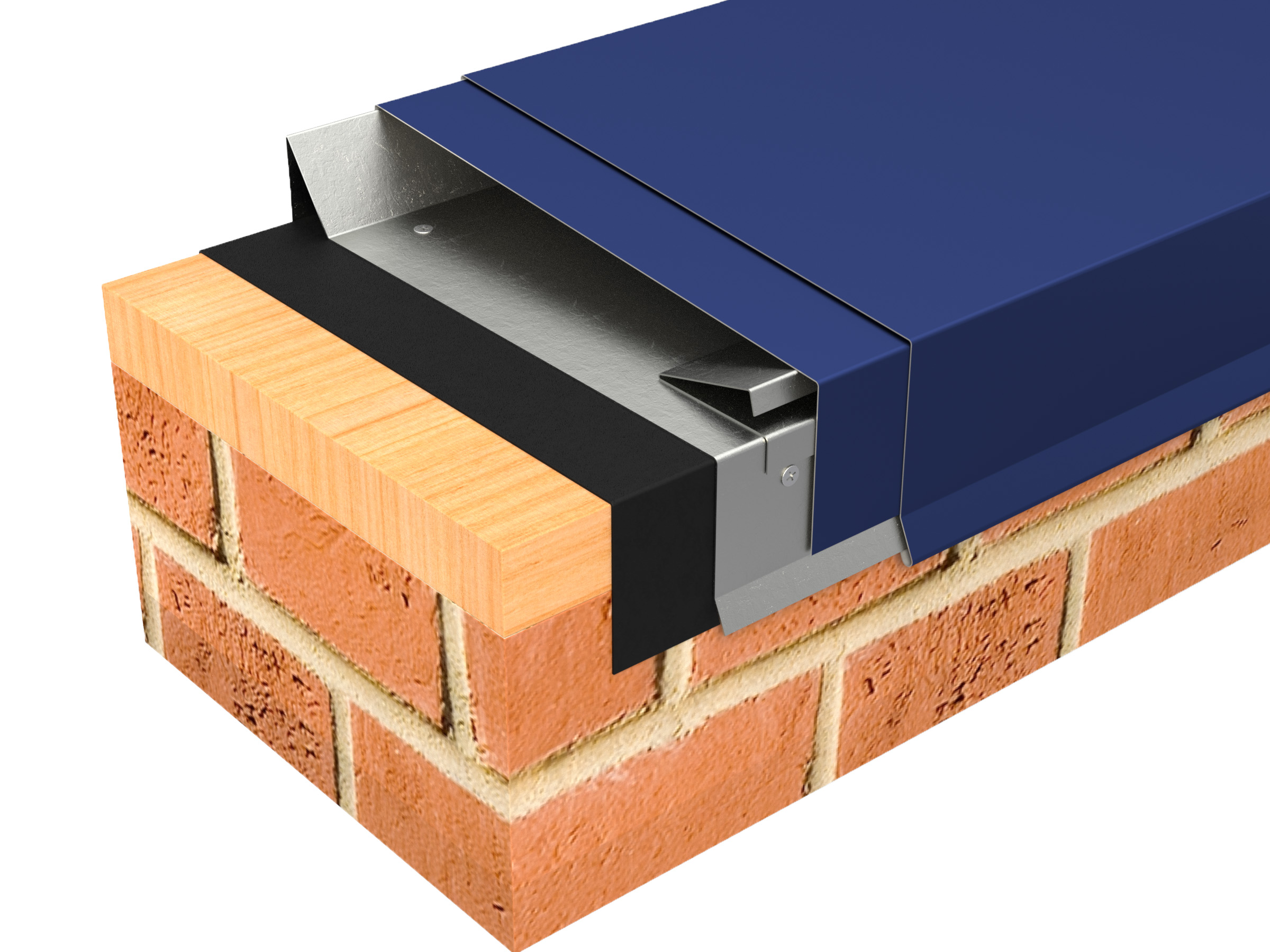
Edge Metal, Coping, and Gutters in Milwaukee, WI
Edge Metal, Coping, and Gutters for Milwaukee commercial buildings. Inspection, documentation, repair, maintenance, and replacement planning.
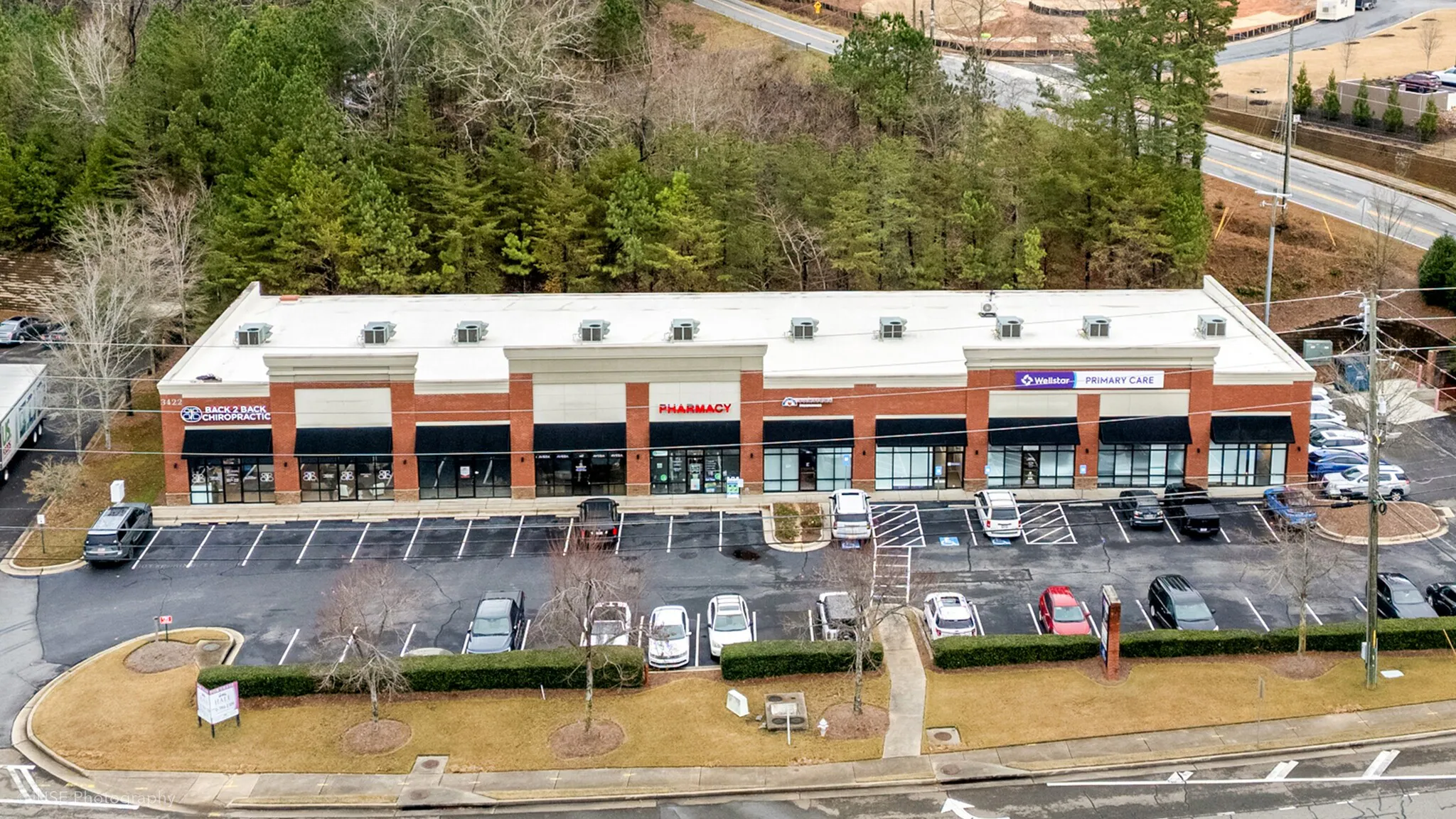
Retail and Shopping Center Roofing in Milwaukee, WI
Commercial roofing for strip malls, shopping centers, anchor stores, and standalone retail buildings throughout Milwaukee, WI.