
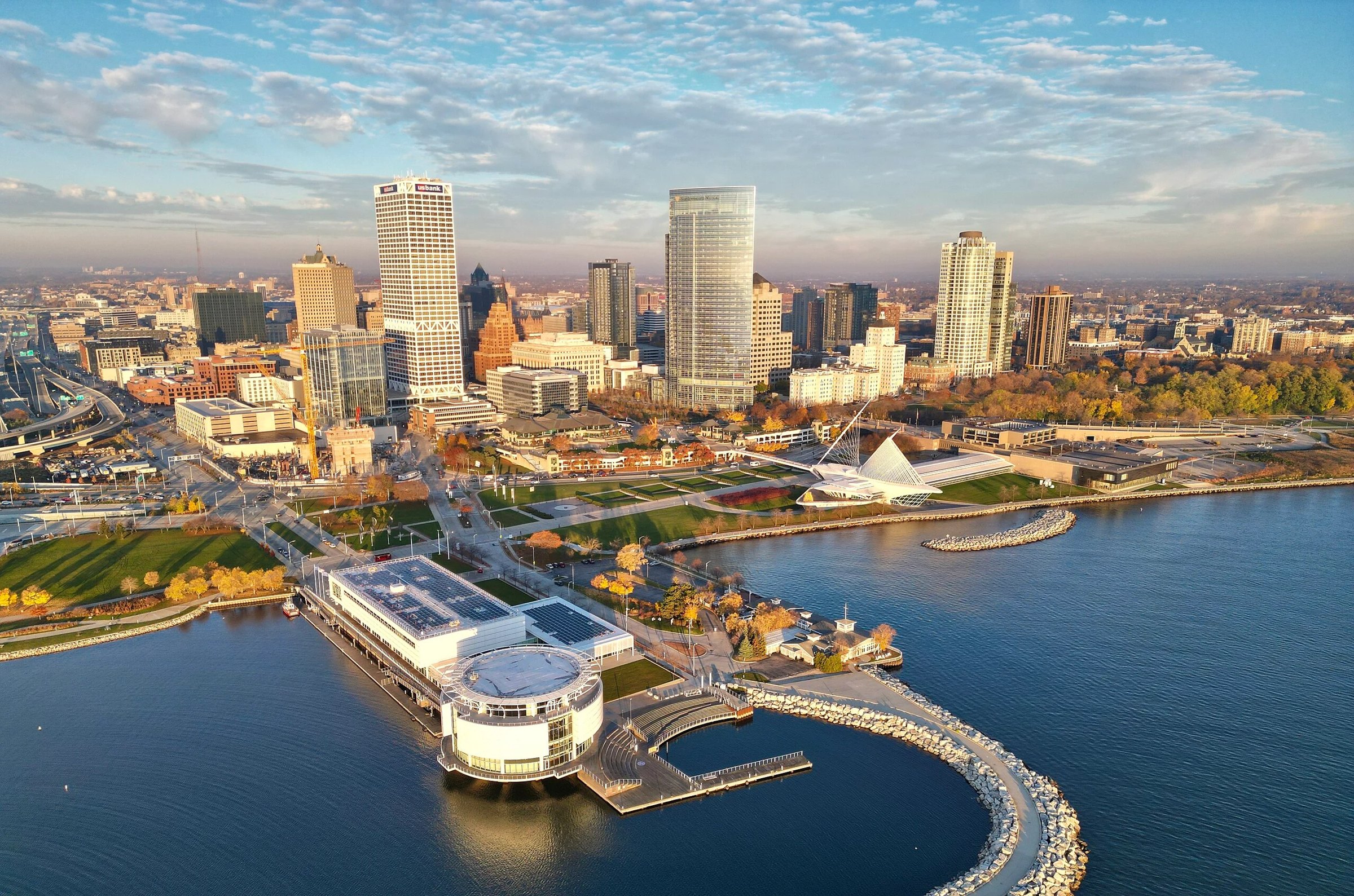
Bank & Financial Building Roofing in Milwaukee, WI
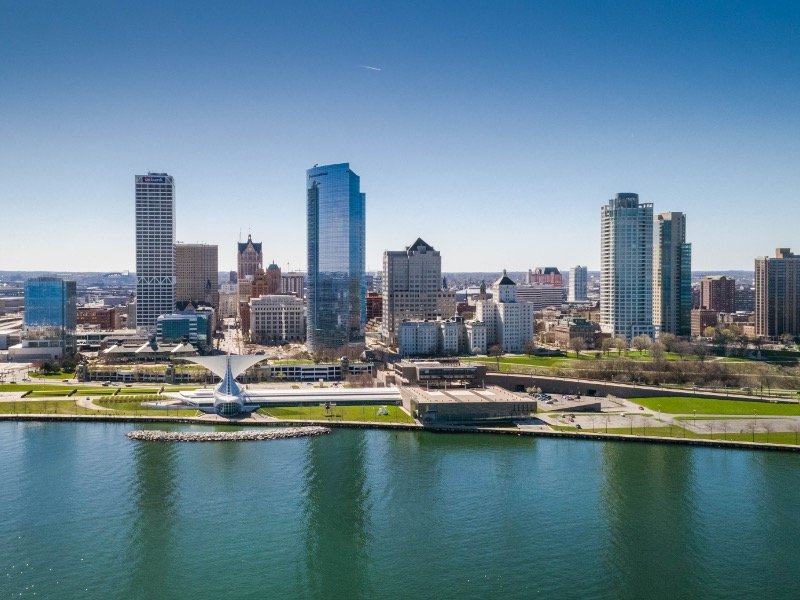
Roofing for banks and financial buildings in Milwaukee, WI — small high-visibility flat roofs, drive-through canopies, and work that respects security and business hours.
Roofing for Milwaukee banks, credit unions, and financial offices — small visible roofs, leak-prone drive-through canopies, and access handled by the book.
Small roofs, low tolerance for trouble
A bank branch roof is usually not big. What makes it a different job from a strip-mall flat roof is what sits underneath it and who controls access to it. A retail branch on Bluemound Road or out in Brookfield has a vault, a server room, and a lobby full of customers under a few thousand square feet of membrane, and a drip onto any of those is not a maintenance ticket — it is a closed branch and a phone call to corporate. Milwaukee is a real financial town, from the downtown corporate towers to the dense network of community banks and credit unions across Wauwatosa, West Allis, and the suburbs, and every one of those buildings expects the roof work to be quiet, clean, and uneventful.
These buildings are also highly visible. The roof edge, the parapet coping, and the canopy are right at the street, photographed by every customer who pulls in. Sloppy edge metal or a patched-looking canopy reads as a bank that does not maintain itself. We treat the visible sheet metal and the canopy finish as part of the job, not an afterthought.
The drive-through canopy is where banks actually leak
If a Milwaukee bank branch has a chronic leak, our money is on the drive-through canopy. The spot where that canopy roof ties back into the main building wall takes a beating: it thermal-cycles hard between summer and a sub-zero January, it traps ice and snowmelt in the joint, it settles at a slightly different rate than the main structure, and nine times out of ten it was flashed as a quick detail when the building went up. Replacing the field membrane does nothing for it. We pull that transition apart, look at how it is actually moving, and re-flash it with a detail built for differential movement and ice — as its own line item, separate from the main roof.
Banks also pack a surprising amount onto a small roof: the canopy, ATM and night-deposit enclosures, a generator exhaust for the room that keeps the branch and its data running through a Wisconsin ice storm, and precision cooling units sitting over the server room. Each of those is a discrete flashing detail, and the precision-cooling curbs in particular cannot afford a leak onto the equipment below.
Security shapes the schedule before the membrane does
Financial buildings control roof access more tightly than almost any commercial property we work on. Contractor badging, escort requirements near vault-adjacent areas, and camera documentation of who was on the roof and when are all standard at bank-owned properties here. We build the credentialing timeline and any escort requirements into the bid up front so they are not surprises that show up as delays or added cost after the contract is signed. Where there is a vault below, we pull its location off the drawings, sequence that roof zone into approved windows, and confirm with the security team that nothing we do affects active operations.
How we keep a branch running through the work
Share the roof address, current issue, photos if available, and any access limits. The response can be framed around inspection, repair, maintenance, coating review, or replacement planning.
Related roof pages
Stadium & Arena Roofing in Milwaukee, WI
Commercial roofing for stadium & arena roofing in Milwaukee, WI — specifications, scheduling, and project coordination for this building type.
Casino & Entertainment Complex Roofing in Milwaukee, WI
Commercial roofing for casino & entertainment complex roofing in Milwaukee, WI — specifications, scheduling, and project coordination for this building type.
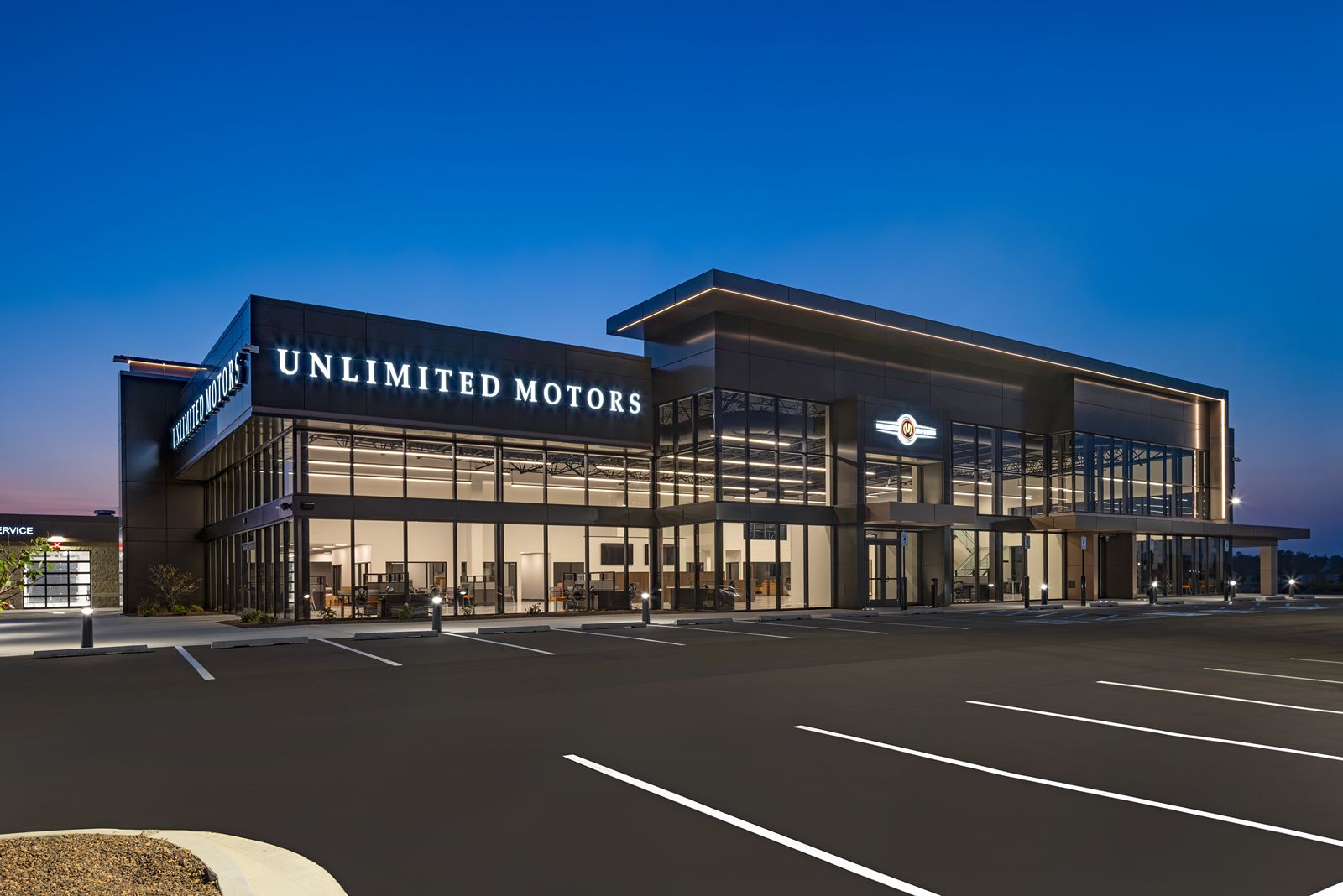
Auto Dealership Roofing in Milwaukee, WI
Commercial roofing for auto dealerships, car lots, service centers, and automotive facilities throughout Milwaukee, WI.
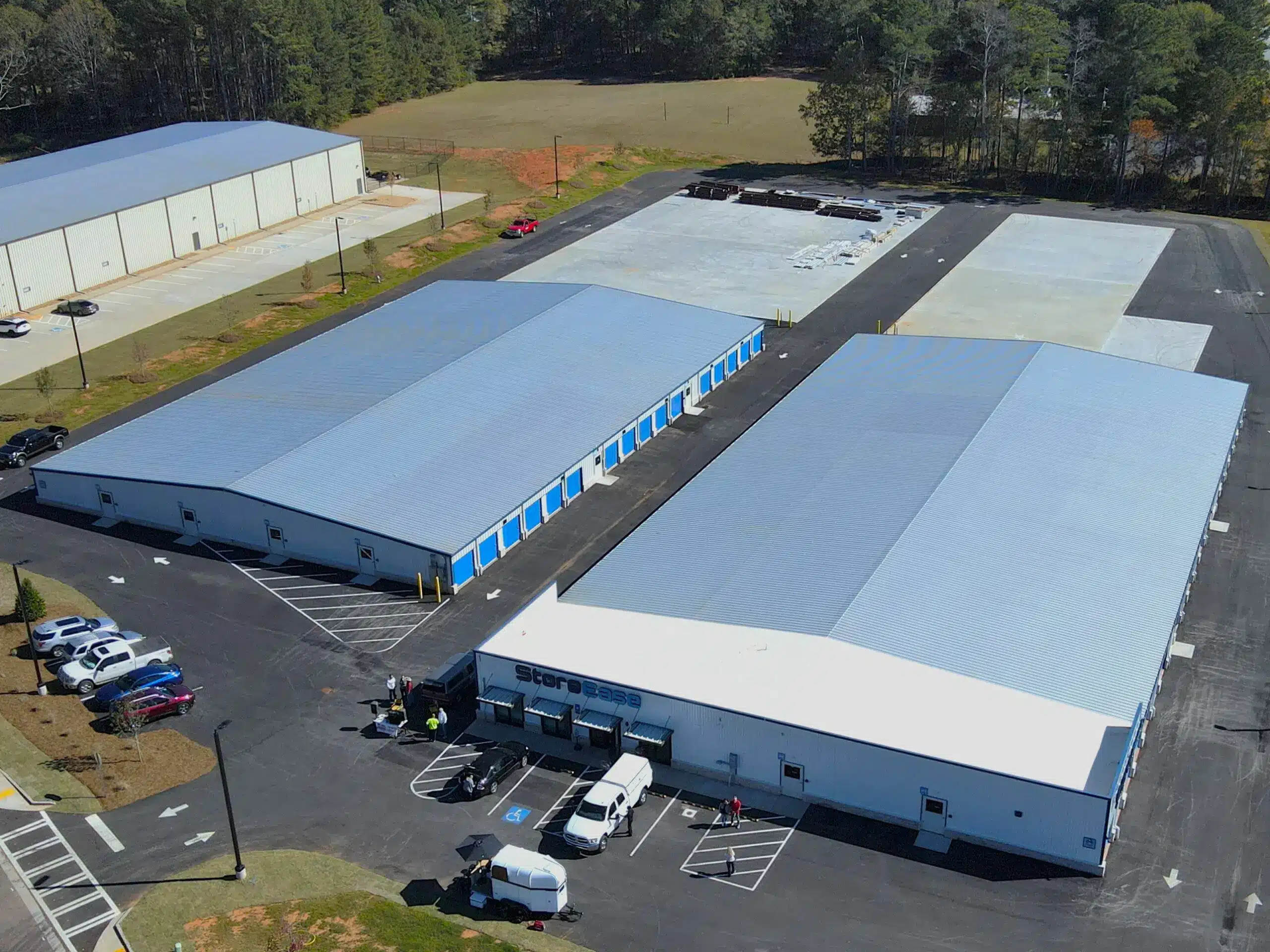
Self-Storage Facility Roofing in Milwaukee, WI
Commercial roofing for self-storage facilities, mini-storage buildings, and climate-controlled storage properties throughout Milwaukee, WI.
Movie Theater & Cinema Roofing in Milwaukee, WI
Roofing for Milwaukee movie theaters and cinemas — long clear-span decks, sound-quieting insulation, dense per-auditorium HVAC, and work scheduled around showtimes.
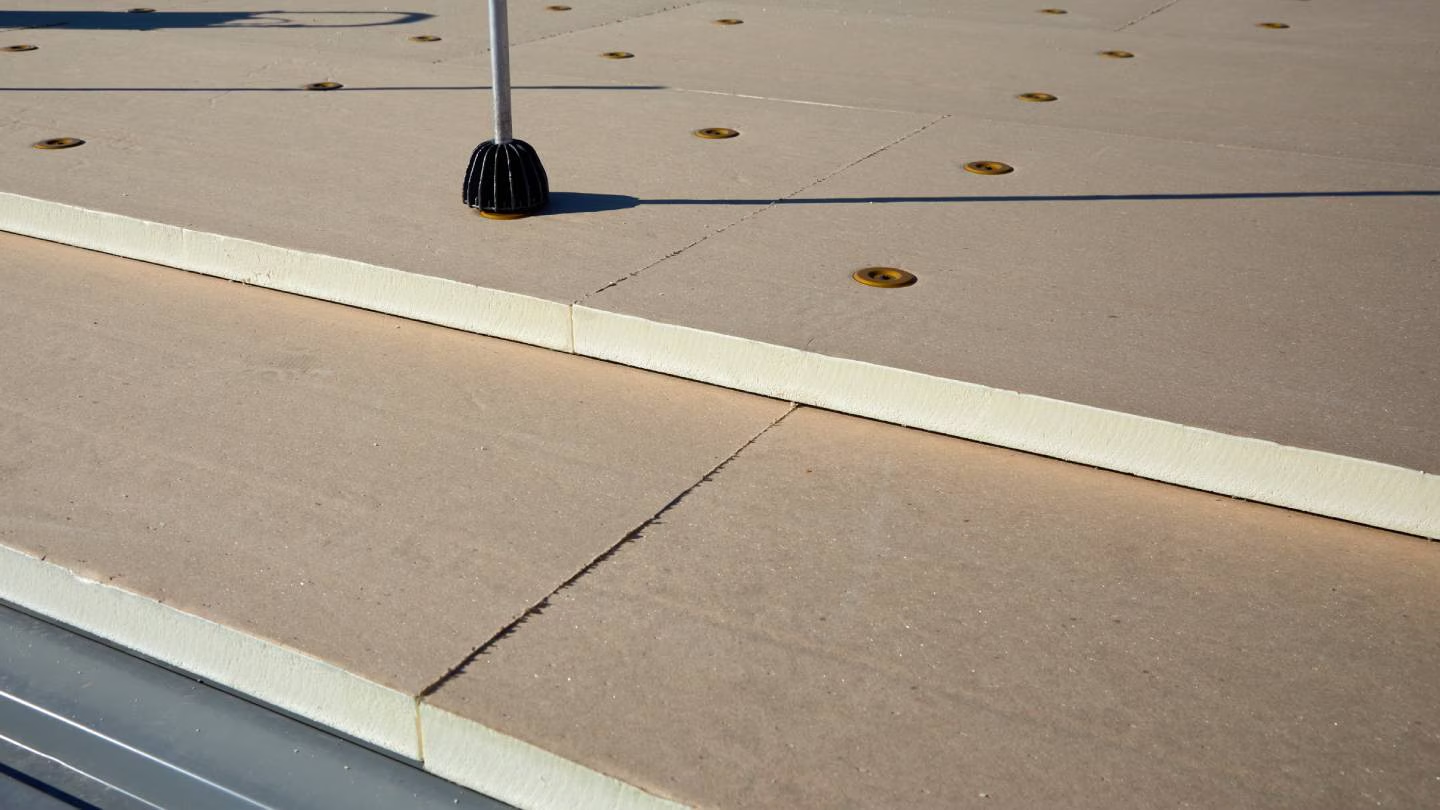
Roof Insulation and Recovery Board in Milwaukee, WI
Roof Insulation and Recovery Board for Milwaukee commercial buildings. Inspection, documentation, repair, maintenance, and replacement planning.
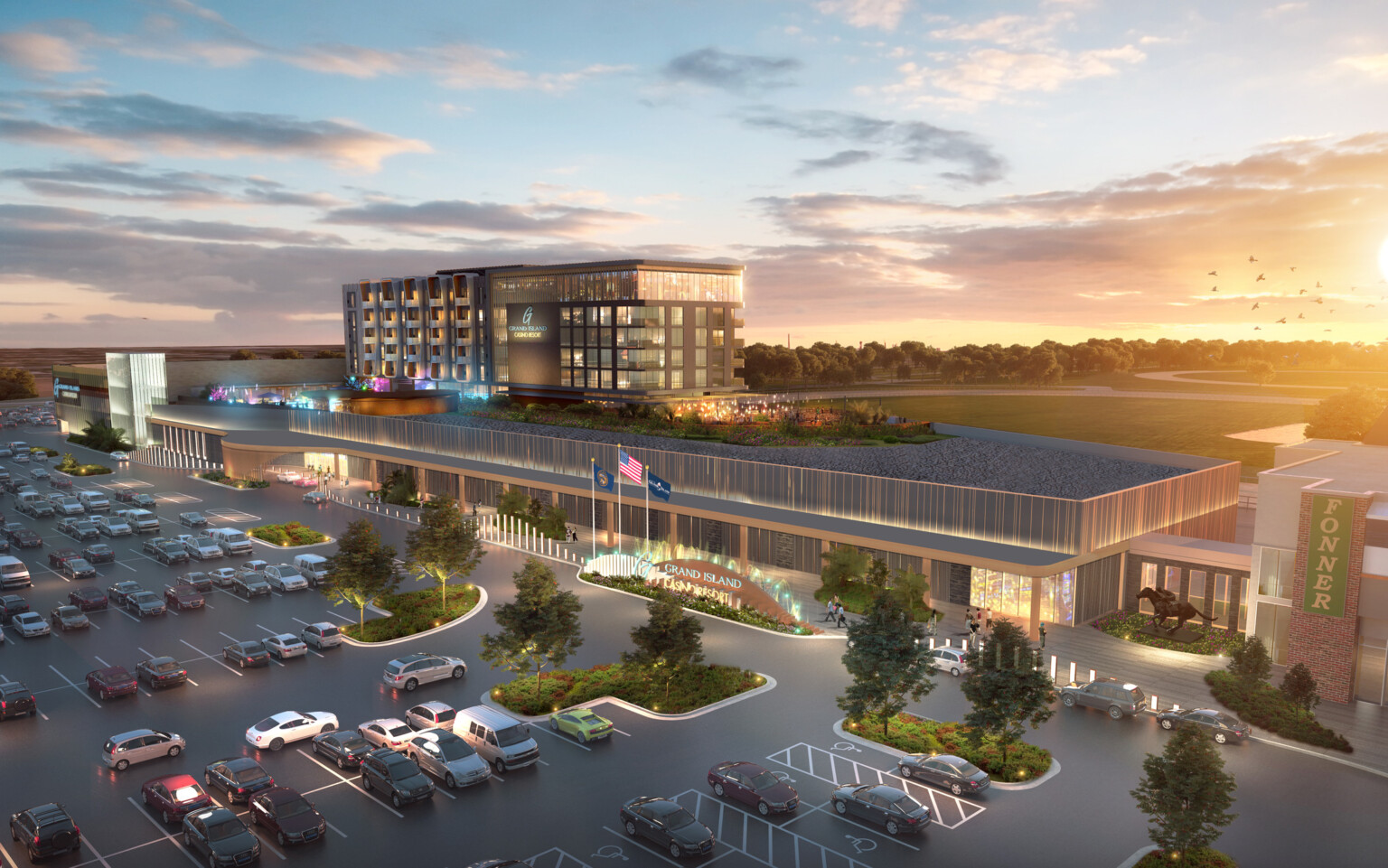
Hotel and Hospitality Property Roofing in Milwaukee, WI
Commercial roofing for full-service hotels, limited-service hotels, extended-stay properties, and hospitality brands throughout Milwaukee, WI.
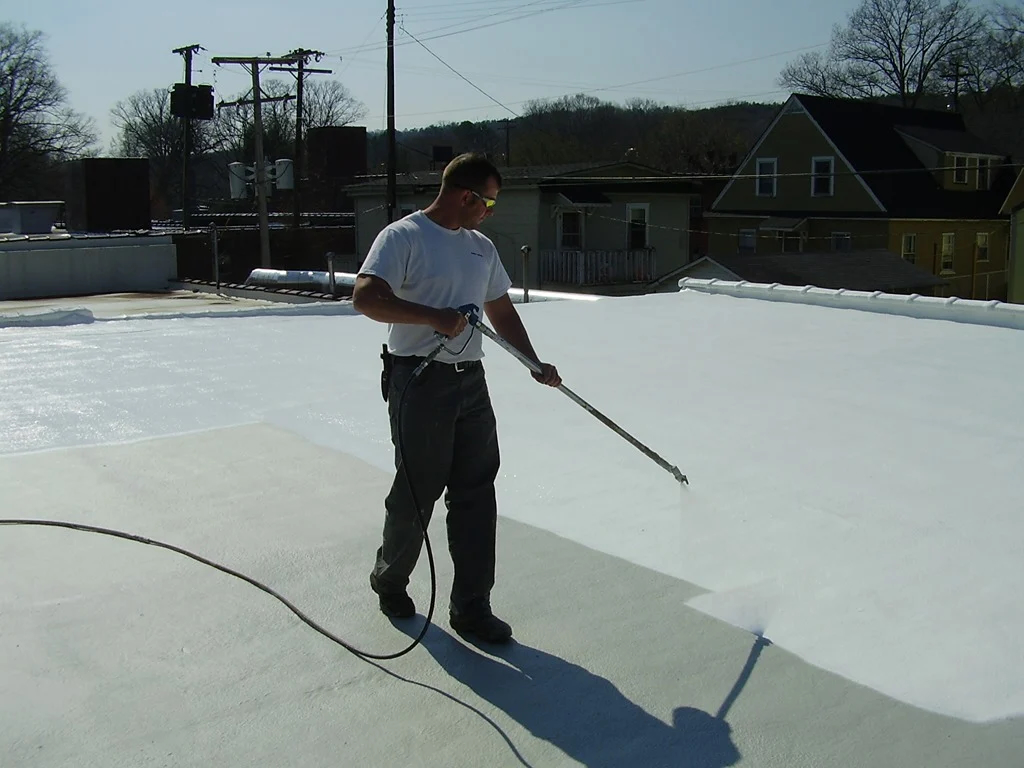
Spray Foam Roofing in Milwaukee, WI
Spray Foam Roofing for Milwaukee commercial buildings. Inspection, documentation, repair, maintenance, and replacement planning.