
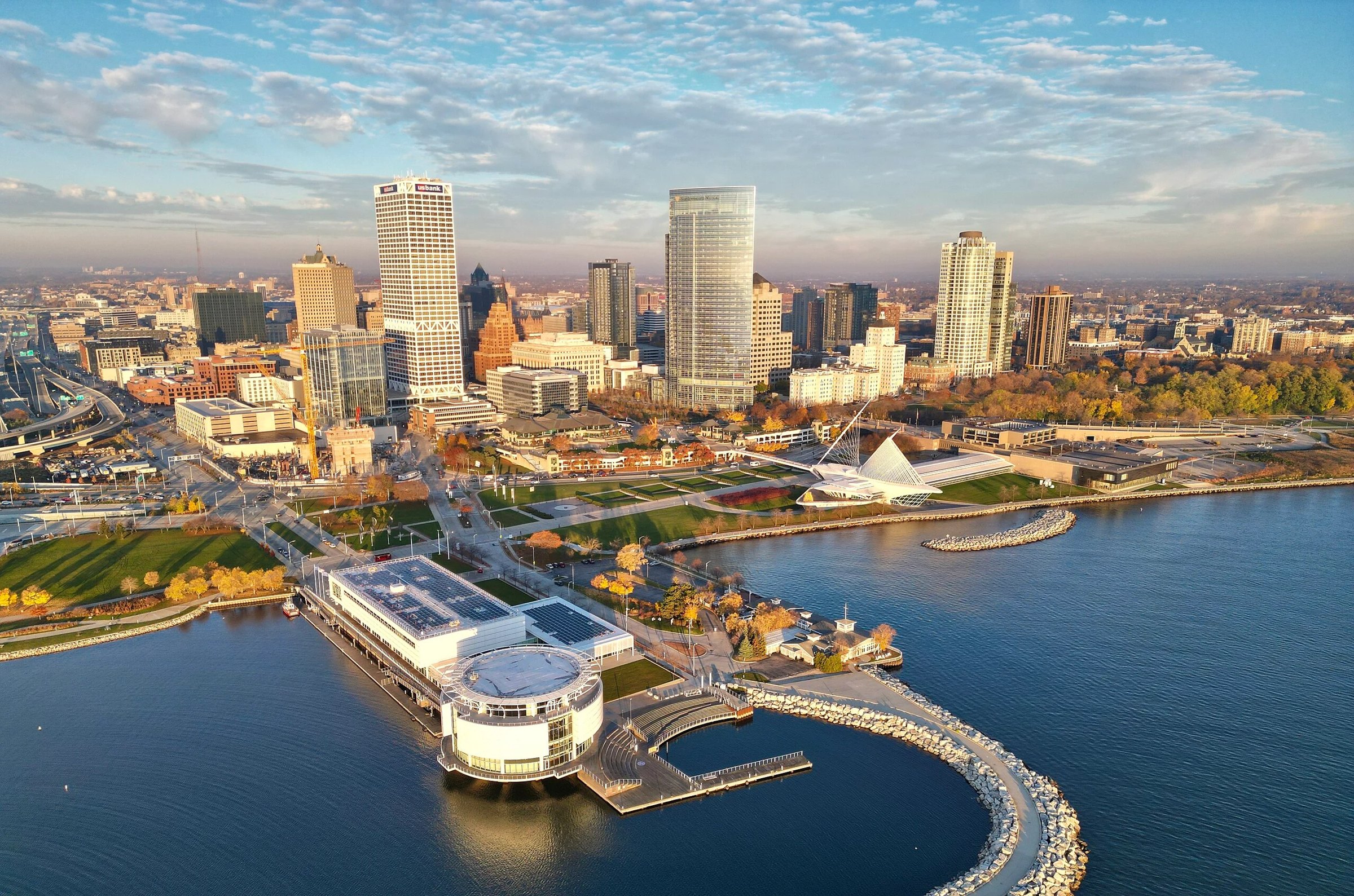
Fitness Center & Gym Roofing in Milwaukee, WI
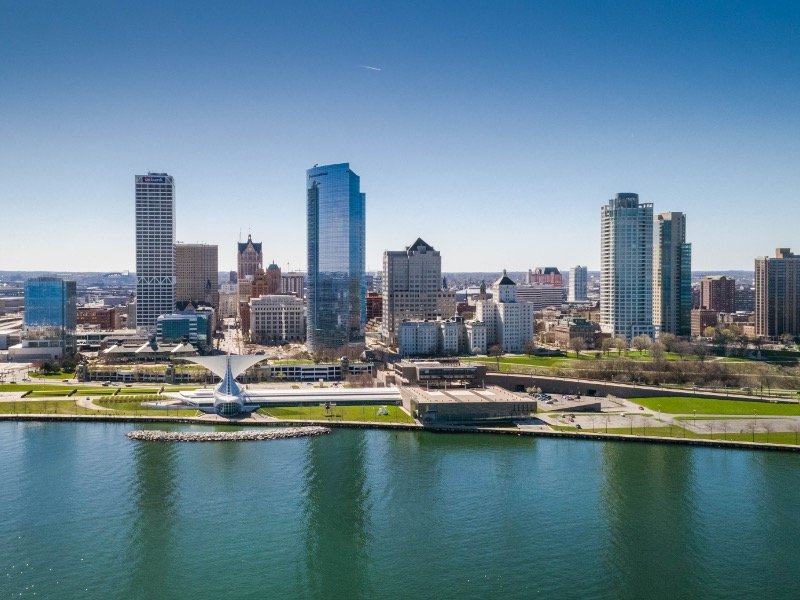
Roofing for gyms and fitness centers in Milwaukee, WI — large open spans, dense rooftop HVAC for high occupancy, and interior humidity handled in the assembly.
Roofing for Milwaukee gyms and fitness clubs — wide-open spans, a roof crowded with HVAC, and humidity that has to be managed from the inside out.
The moisture problem comes from inside the building
Most gym owners in Milwaukee call us about a stain on the ceiling tile and assume the membrane has failed. Often it has not. The water is coming from their own building — showers, the sauna, the hot tub, a busy group-fitness room full of people — pushing warm, wet air up against the underside of the roof until it condenses inside the insulation. You can install a flawless membrane on top and still get drips below if the vapor control and air barrier inside the assembly are wrong for this climate. That is the first thing we sort out on any fitness center roof here, and it is the thing generic commercial roofers skip.
Milwaukee's cold makes it worse. When it is single digits outside and the building is warm and humid inside, the temperature swing across the roof assembly is enormous, and the dew point lands somewhere in the middle of your insulation. We position the vapor retarder for that gradient deliberately. Get it wrong and the R-value is soaked and useless inside a few seasons; get it right and the assembly stays dry through the worst of a lakefront winter.
A roof that's mostly equipment
Fitness buildings carry far more rooftop mechanical than their footprint suggests. A big open training floor needs high-volume air handling just to keep up with the carbon dioxide and heat that a packed evening class throws off. Then add dedicated exhaust for the locker rooms, the spin studio, the pool if there is one, and the makeup air to balance it. The penetration count per thousand square feet on a gym roof routinely runs two to three times what we see on a comparable retail box. Every one of those curbs and stacks is a place water wants in, and standard flashing details are not built for the humidity these buildings generate around them.
We inventory all of it before we price the job — every curb, its height, its clearance — because undersized or buried curbs are the most common defect we find on older Milwaukee gyms, including the converted retail and industrial spaces along the 30th Street corridor and out in the suburban retail strips of Brookfield and Greenfield where so many clubs land. Curbs that don't meet the manufacturer's minimum height get raised as part of the scope so the warranty actually holds.
You're open when we'd rather be working
The national brands and independents alike — Planet Fitness, the Wisconsin Athletic Clubs, the Y locations, the boutique studios near downtown and on the East Side — tend to run from before dawn to late at night, often every day of the year. There is no tidy maintenance window. We build the schedule around your actual open hours and your pool-chemical deliveries and HVAC service windows, concentrate the loud tear-off into approved blocks, and confirm in writing every evening that the roof is dry before your morning crowd arrives. That coordination is part of the scope, not a surprise change order later.
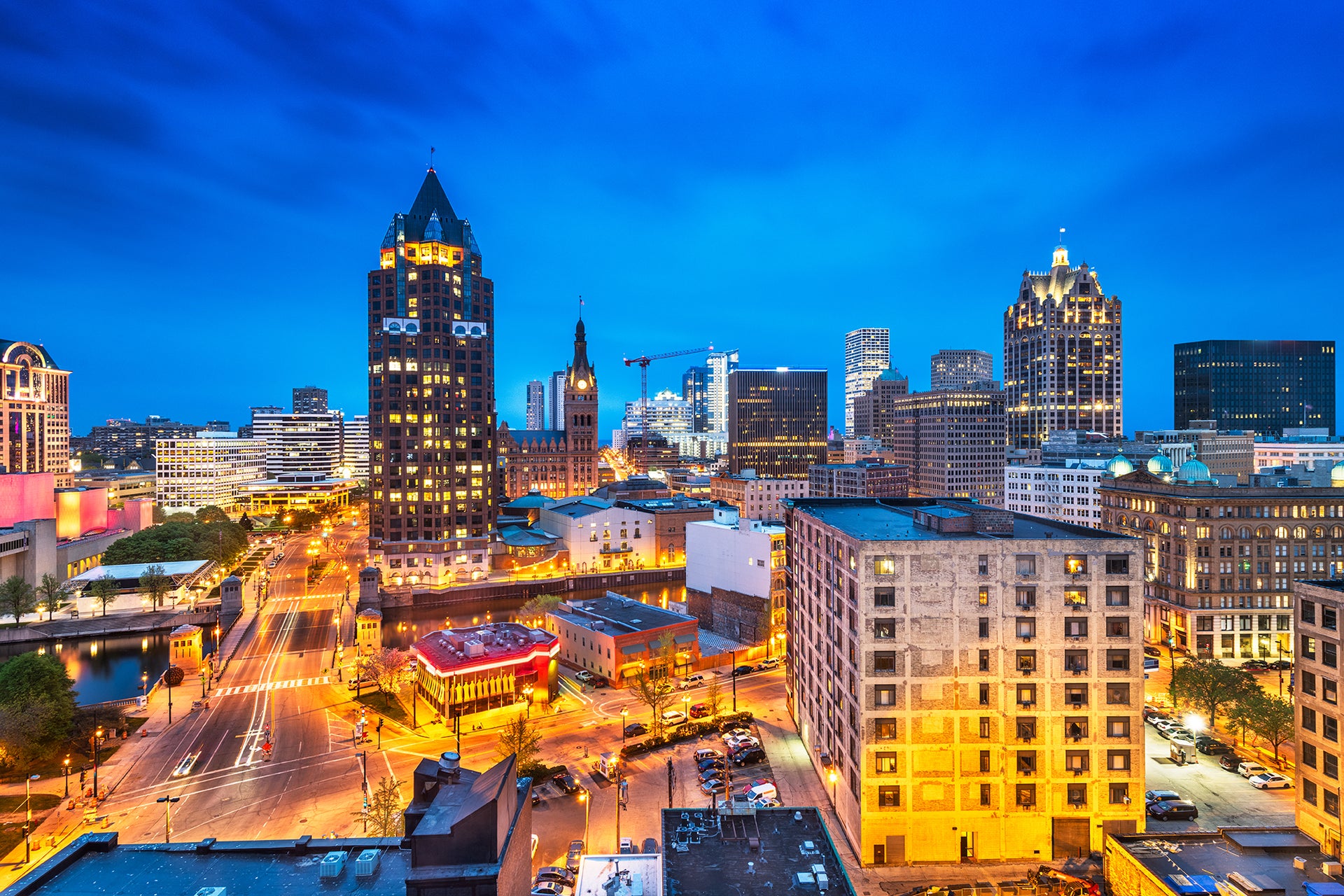
Share the roof address, current issue, photos if available, and any access limits. The response can be framed around inspection, repair, maintenance, coating review, or replacement planning.
Related roof pages
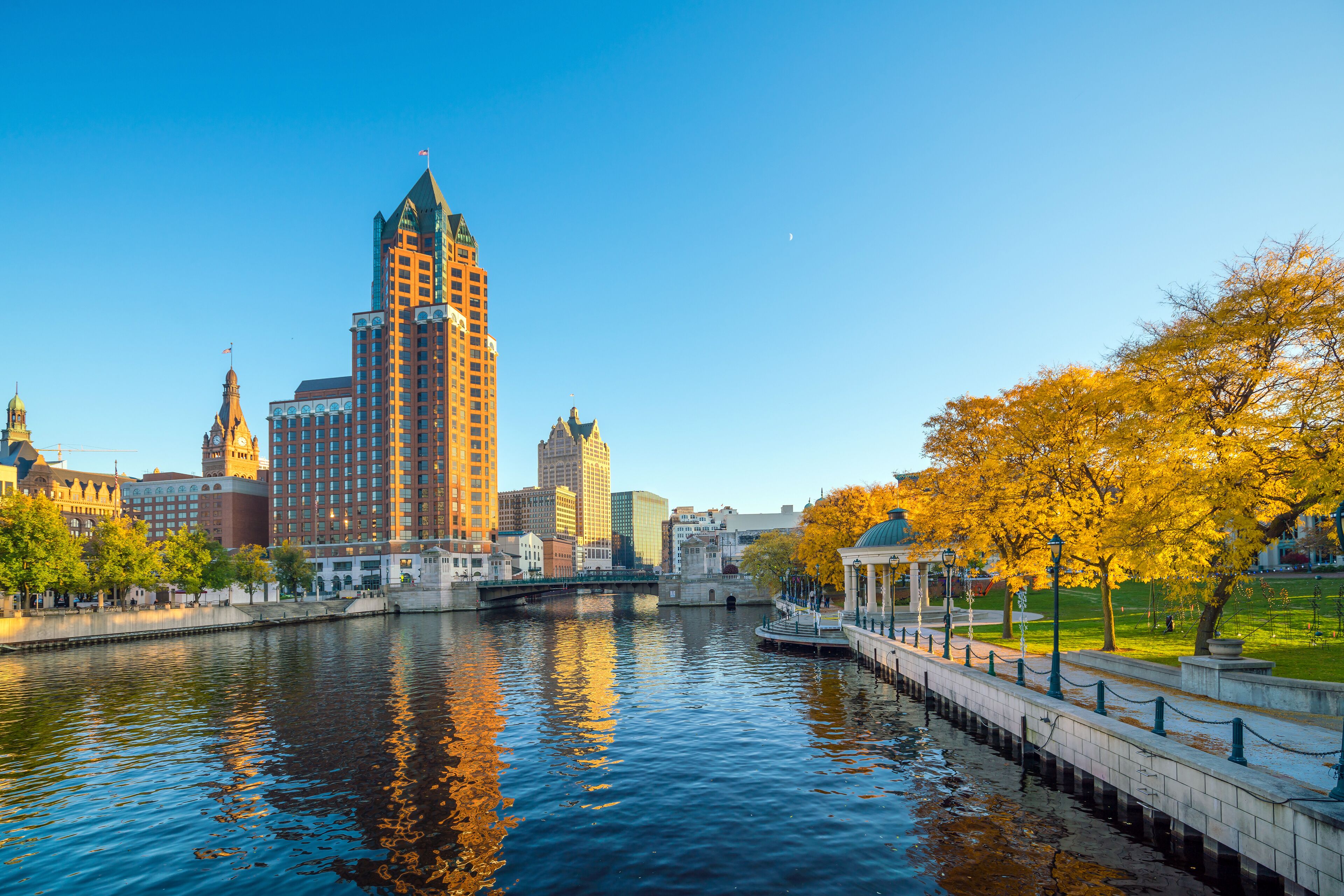
Airport Terminal & Aviation Facility Roofing in Milwaukee, WI
Roofing for airport terminals and aviation facilities in Milwaukee, WI — Mitchell International and area hangars, with wind and jet-blast exposure and 24/7 operations.
Veterinary Clinic & Animal Hospital Roofing in Milwaukee, WI
Commercial roofing for veterinary clinic & animal hospital roofing in Milwaukee, WI — specifications, scheduling, and project coordination for this building type.
Big-Box Retail Roofing
Big-Box Retail Roofing for Milwaukee commercial buildings. Inspection, documentation, repair, maintenance, and replacement planning.
Government and Municipal Roofing
Government and Municipal Roofing for Milwaukee commercial buildings. Inspection, documentation, repair, maintenance, and replacement planning.
Senior Living Facility Roofing in Milwaukee, WI
Senior Living Facility Roofing for commercial buildings across Milwaukee.
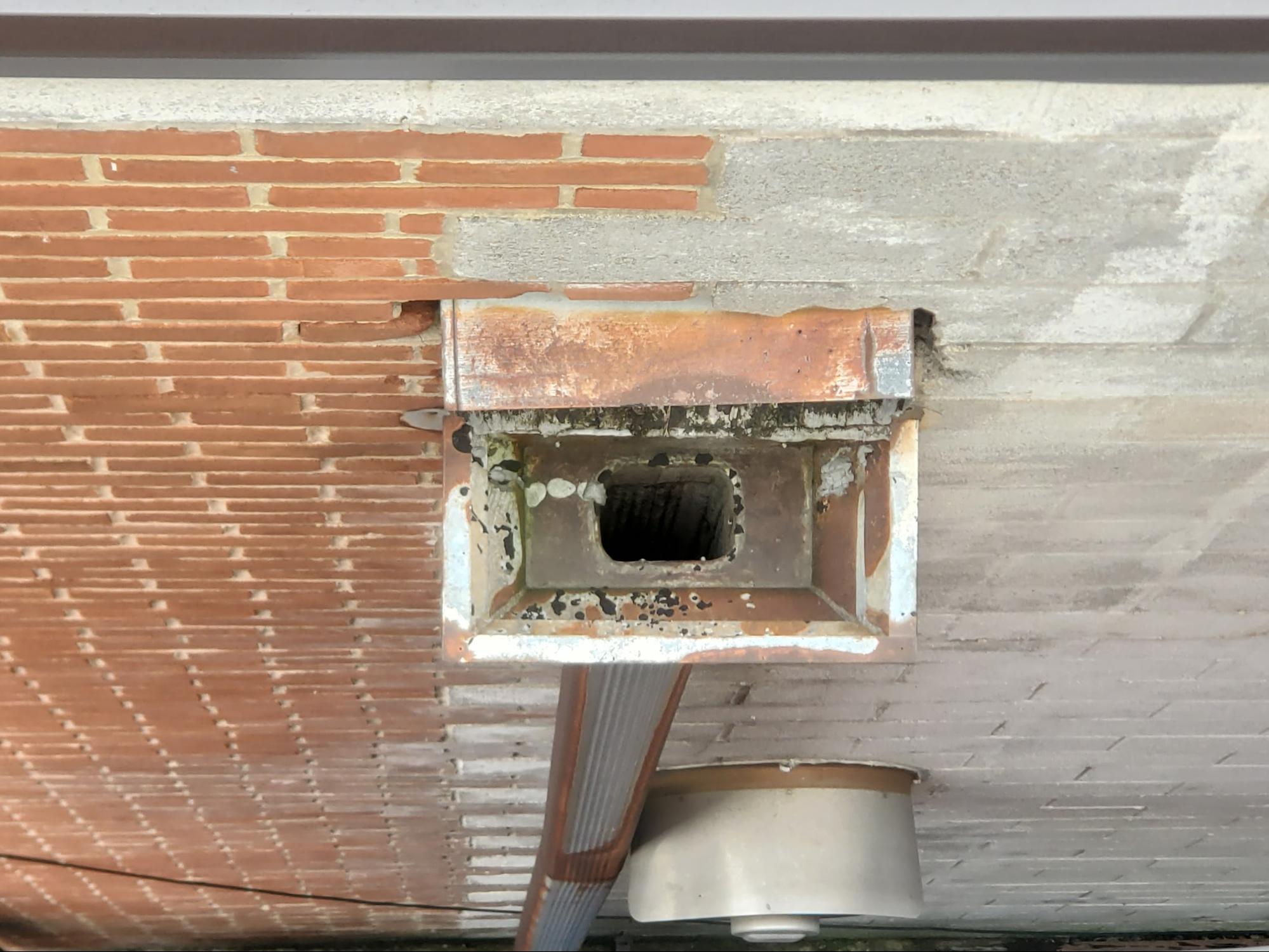
Roof Drains and Scuppers in Milwaukee, WI
Roof Drains and Scuppers for Milwaukee commercial buildings. Inspection, documentation, repair, maintenance, and replacement planning.
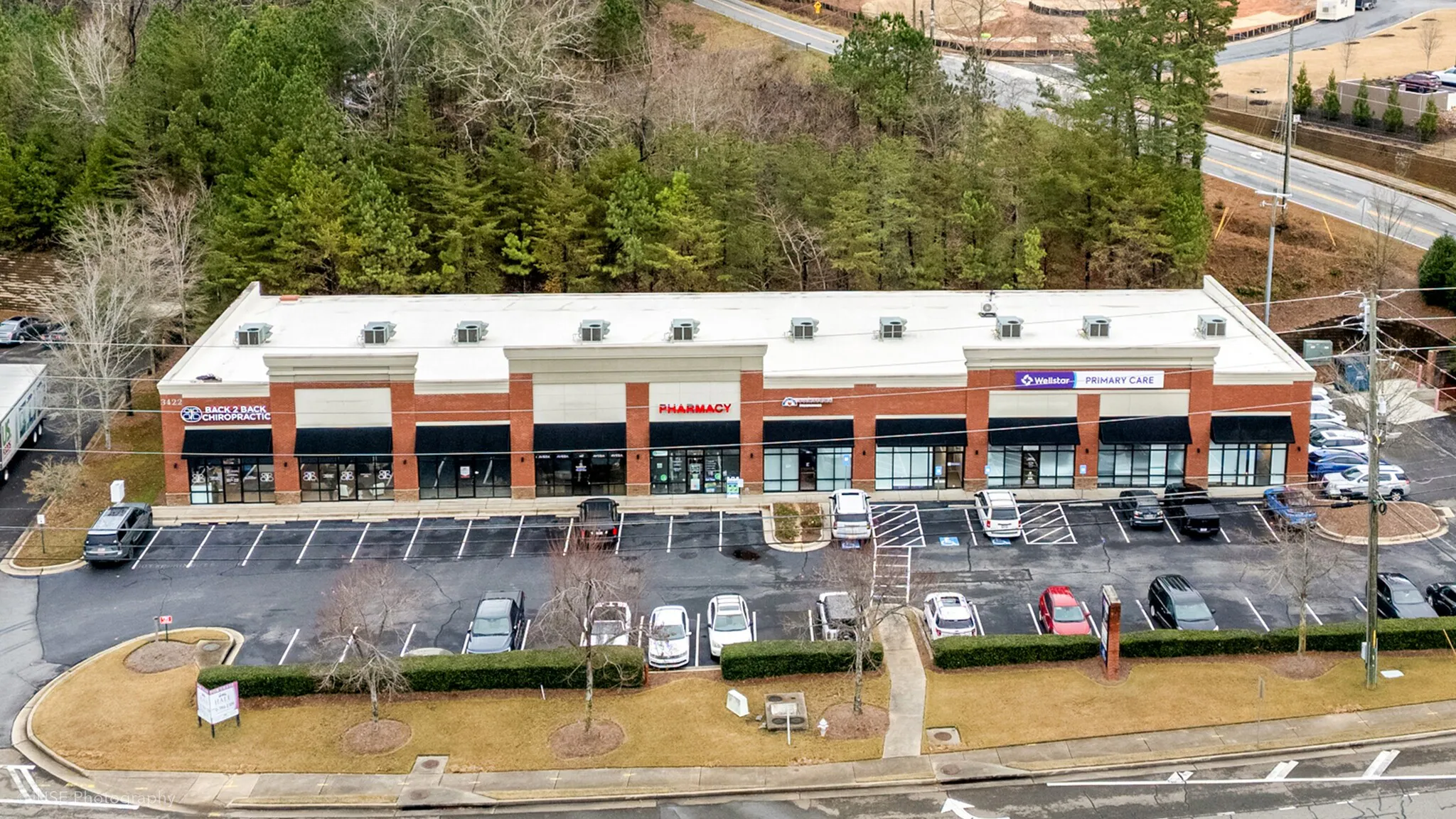
Retail and Shopping Center Roofing in Milwaukee, WI
Commercial roofing for strip malls, shopping centers, anchor stores, and standalone retail buildings throughout Milwaukee, WI.
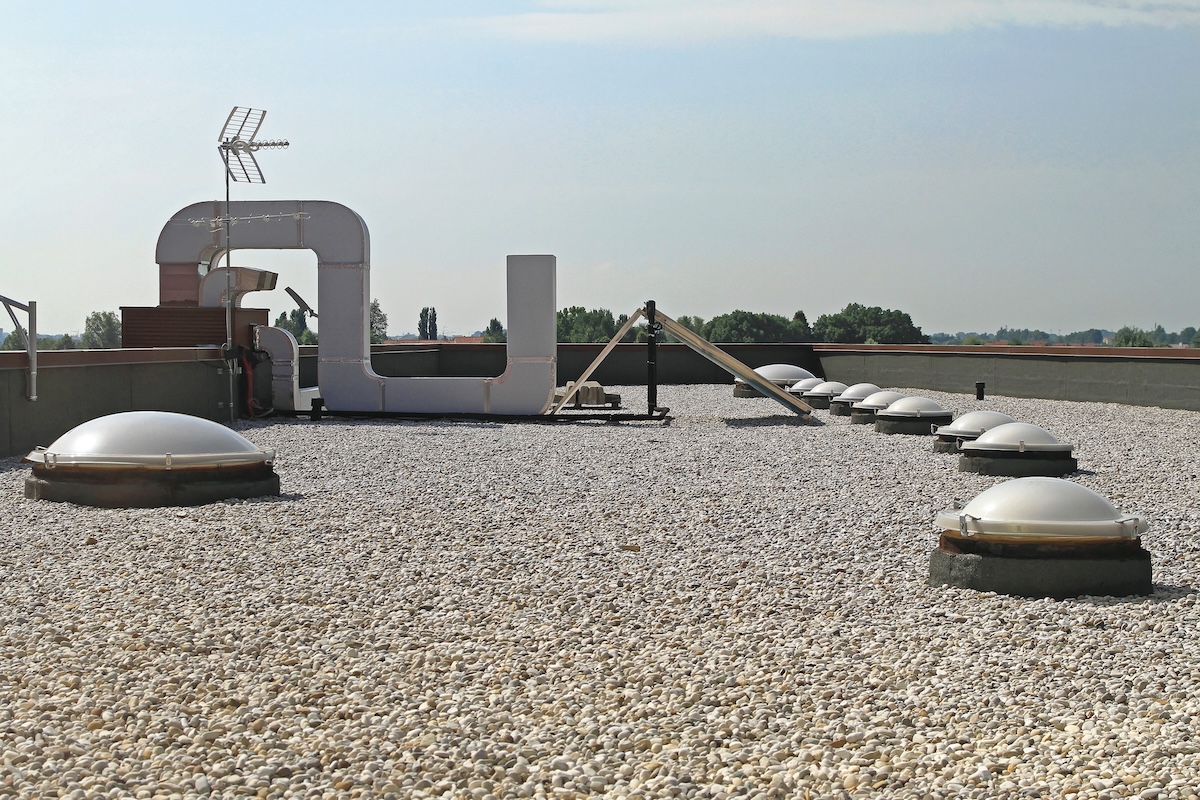
Built-Up Roofing in Milwaukee, WI
Built-Up Roofing for Milwaukee commercial buildings. Inspection, documentation, repair, maintenance, and replacement planning.