
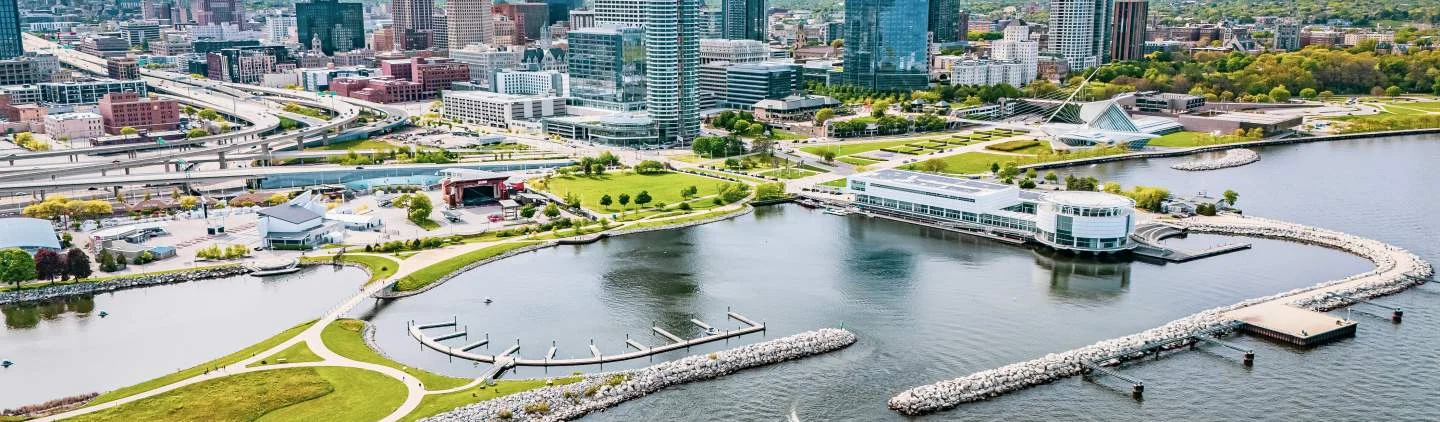
Funeral Home & Mortuary Roofing in Milwaukee, WI
Roofing for funeral homes and mortuaries in Milwaukee, WI — quiet scheduling around services, dignified building appearance, and protected preparation-room ventilation.
Roofing for funeral homes and mortuaries across Milwaukee — scheduled around services, kept quiet, and finished to look like nothing happened.
A roof project no family should ever notice
A funeral home is the rare commercial building where the contractor's biggest job is to be invisible. Families on Bluemound Road, along Forest Home Avenue, and in the neighborhoods around Brookfield and Wauwatosa walk into these buildings on the worst day of their year, and the last thing they should hear is a hammer drill over the casket. We plan funeral home roofing in Milwaukee around that reality first and the roof second — which means we ask for the service and visitation calendar before we ever talk membrane.
Most of the funeral homes we look at here are one of two kinds of building. There are the long-established neighborhood chapels, many of them brick structures from the early-to-mid twentieth century with built-up or modified-bitumen roofs over wood or concrete decks. And there are the newer suburban facilities out toward New Berlin, Greenfield, and Mequon, usually single-story slabs with low-slope membrane and a porte-cochere out front. The two ask very different things of a roofer, and we scope them differently.
The preparation room changes everything above it
Behind the visitation rooms, every funeral home has a preparation room, and that room is held under negative pressure with a dedicated rooftop exhaust stack venting formaldehyde and embalming vapors to the outside. That stack is not a nice-to-have — it keeps the room compliant and keeps staff safe — and it cannot be capped or shut down for our convenience. Before we mobilize, we locate that exhaust on the roof plan, treat it as its own flashing scope, and confirm with the director that it stays running while we work nearby. We have walked roofs where a previous crew foamed around a prep-room stack and choked the draw; we do the opposite.
The prep area also tends to sit under a section of roof that has seen years of warm, chemical-laden air pushing up against the underside of the deck. On older built-up roofs we core that zone specifically, because the insulation there is frequently wetter and more degraded than the rest of the field even when the surface looks fine.
Chapels, canopies, and the parts that actually leak
The chapel or main visitation room is usually the widest clear span in the building, often 40 to 60 feet with no interior columns. That span carries real wind uplift in a lakefront city that gets hard northeast gales off Lake Michigan, so the fastening pattern and membrane we specify there is not the same as what goes over the back offices. We confirm the deck type and run pull-out testing on older steel or wood decks before we commit to an attachment design.
And then there is the porte-cochere — the covered drive where families are received out of the rain and snow. The joint where that canopy ties back into the main wall is, in our experience, the single most common chronic leak on a Milwaukee funeral home. It moves seasonally, it collects ice, and it was usually flashed as an afterthought. We treat it as a discrete line item on every inspection rather than rolling it into the field membrane and hoping.
Share the roof address, current issue, photos if available, and any access limits. The response can be framed around inspection, repair, maintenance, coating review, or replacement planning.
Related roof pages
Veterinary Clinic & Animal Hospital Roofing in Milwaukee, WI
Commercial roofing for veterinary clinic & animal hospital roofing in Milwaukee, WI — specifications, scheduling, and project coordination for this building type.
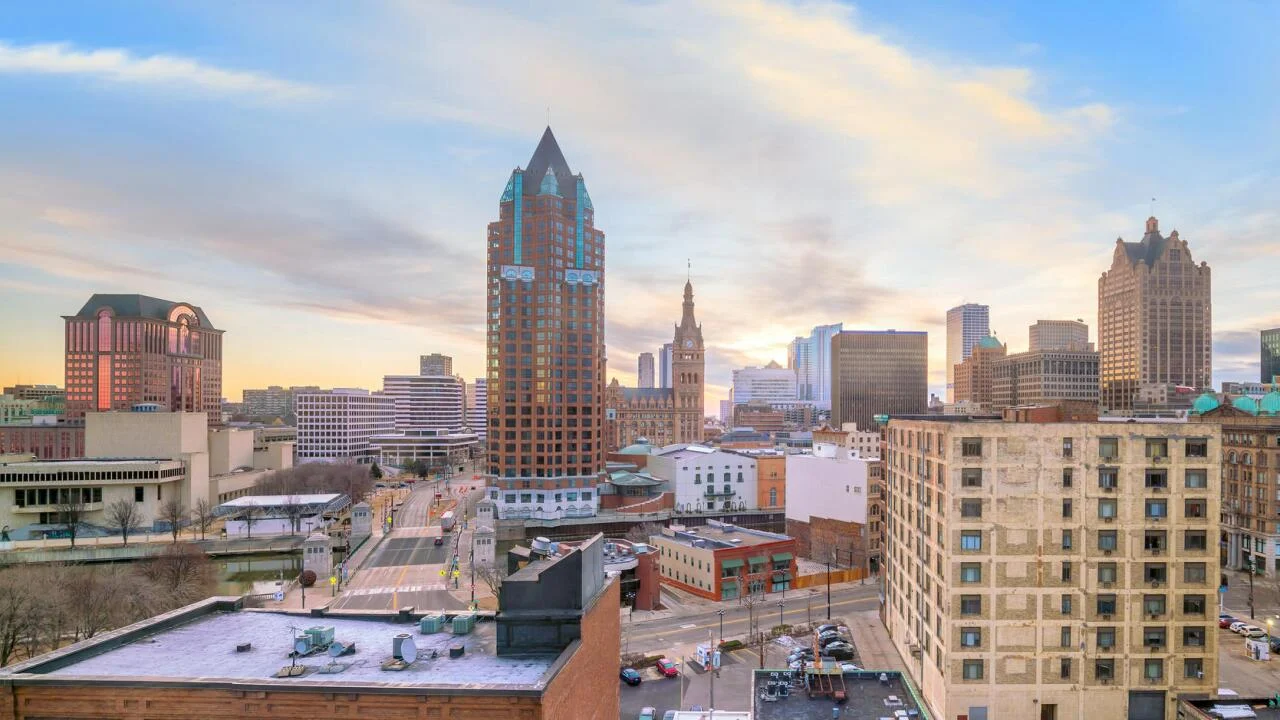
Big-Box Retail Roofing
Big-Box Retail Roofing for Milwaukee commercial buildings. Inspection, documentation, repair, maintenance, and replacement planning.
Government and Municipal Roofing
Government and Municipal Roofing for Milwaukee commercial buildings. Inspection, documentation, repair, maintenance, and replacement planning.
Senior Living Facility Roofing in Milwaukee, WI
Senior Living Facility Roofing for commercial buildings across Milwaukee.
Food Processing Roofing in Milwaukee, WI
Roofing for Milwaukee food and beverage plants — washdown humidity, heavy rooftop refrigeration loads, USDA/FDA-acceptable materials, and phasing around production shifts.
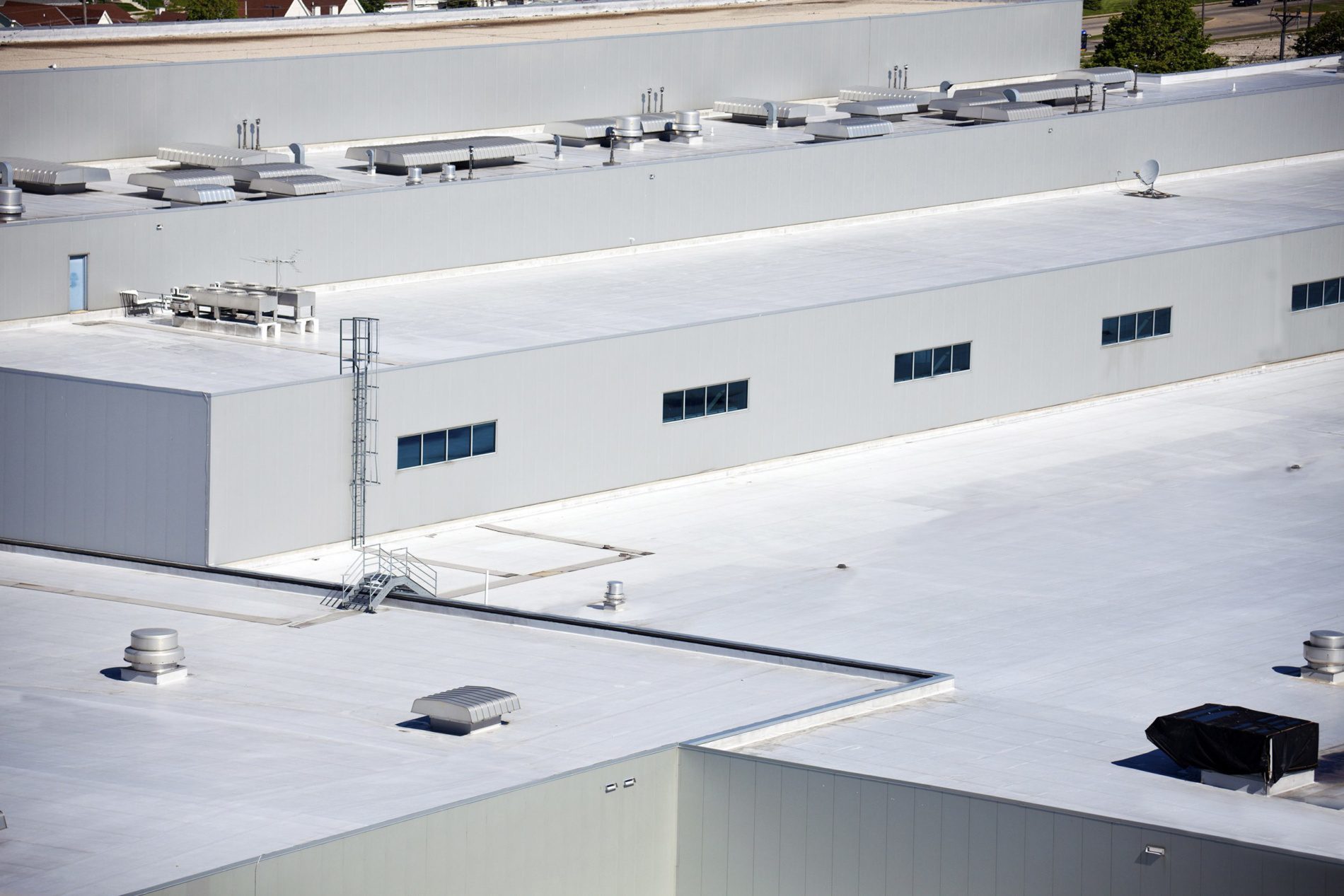
Manufacturing Facility Roofing in Milwaukee, WI
Commercial roofing for manufacturing plants, assembly facilities, and industrial buildings throughout Milwaukee, WI.
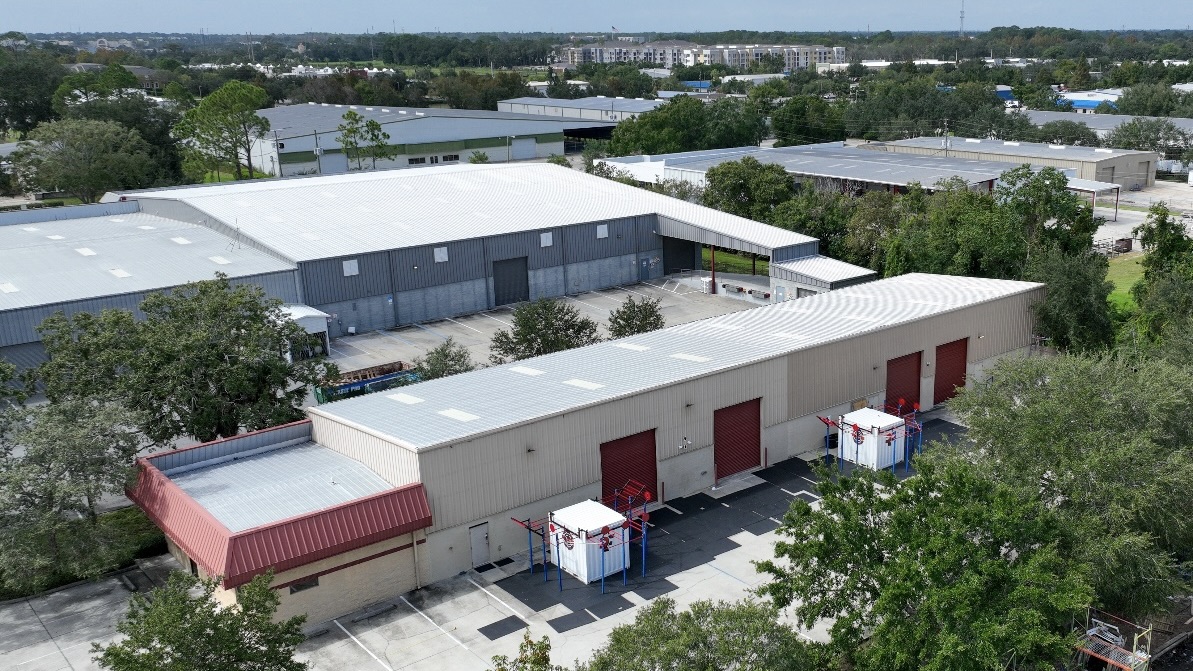
Drone & Infrared Roof Inspection in Milwaukee, WI
Aerial and thermal drone roof inspection in Milwaukee, WI: infrared moisture mapping on large low-slope roofs with no foot traffic, FAA Part 107 flights, LAANC near Mitchell, and claim-ready geotagged reports.
Roof Inspection and Condition Reports in Milwaukee, WI
Roof Inspection and Condition Reports for Milwaukee commercial buildings. Inspection, documentation, repair, maintenance, and replacement planning.