
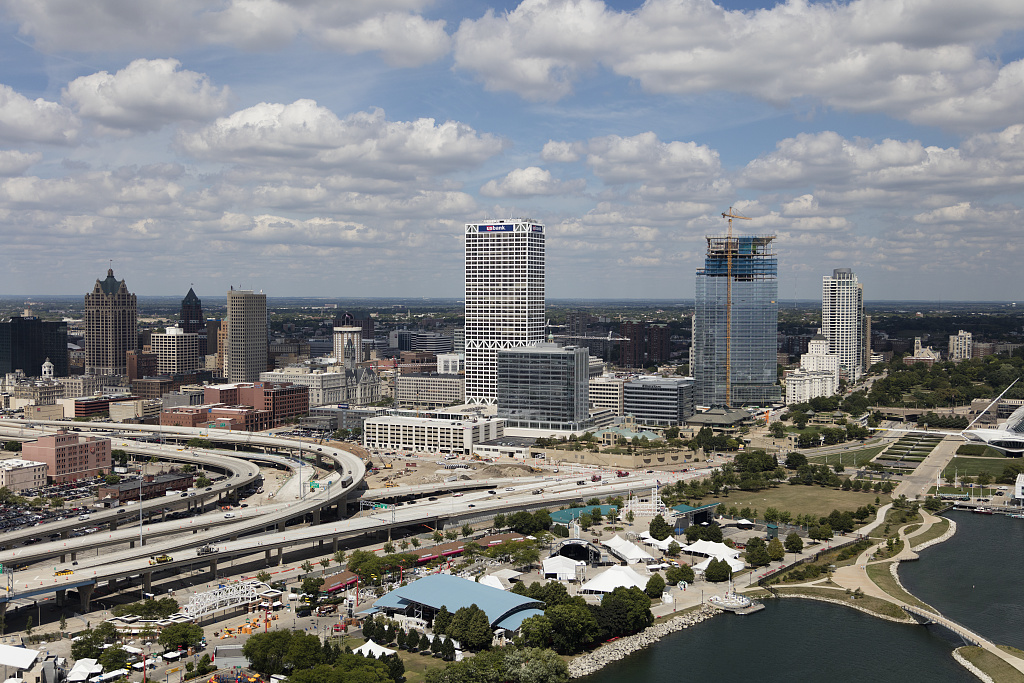
Industrial Flex Space Roofing in Milwaukee, WI

Roofing for Milwaukee multi-tenant industrial flex buildings — penetration-heavy low-slope decks, tenant-improvement churn, vacancy transitions, and phasing across multiple tenants.
Roofing for the multi-tenant flex buildings that fill metro Milwaukee's freeway corridors — penetration-heavy decks, constant tenant change, and many leases to coordinate.
The most unpredictable roof in the portfolio
Industrial flex is the chameleon of commercial real estate. One bay is light manufacturing, the next is a distribution operation, the one after that is a contractor's shop or a small lab, and the tenant mix turns over with the lease cycles. Around Milwaukee these buildings line the freeway-belt business parks in Oak Creek, New Berlin, Menomonee Falls, and Germantown, where a single structure might be subdivided among three or four tenants doing entirely different things under one roof. That roof has to keep performing through every occupancy change, every tenant build-out, and every kind of rooftop load that walks in with a new lease.
Many tenants means many penetrations
A single-user industrial building has one set of rooftop equipment installed to one plan. A multi-tenant flex roof accumulates years of additions — new HVAC units, fresh electrical and refrigerant runs cut through the membrane, exhaust fans dropped in for a tenant's process — and a lot of it never makes it into the property records. That is why we start every flex roofing scope with a penetration inventory survey. We are not assuming anyone cut corners; we are dealing with the reality that flex roofs collect undocumented modifications, and you cannot reroof around penetrations you have not mapped.
The building stock is all over the map
Flex buildings in this market run from 1970s tilt-wall with aging built-up roofs to modern pre-engineered metal buildings with standing seam. The right reroof depends on the deck, the condition of the existing assembly, and how much disruption the current tenants can tolerate. For tilt-wall and concrete flex buildings, a 60-mil TPO mechanically attached over new polyiso is the workhorse specification. For pre-engineered steel buildings, a standing seam recover or a coated-metal approach often extends service life without a full teardown. We match the system to the building rather than forcing one answer onto everything.
Vacancy transitions are where leaks start
The riskiest moment in a flex building's life is a tenant turnover. When a tenant leaves and pulls their rooftop units, the open curbs are often capped with temporary protection that fails within a rain event or two — and in a Milwaukee winter, a couple of freeze-thaw cycles finish the job fast. Any flex inspection during a lease transition should confirm curb-cap status, verify that the departed tenant's penetrations are properly sealed, and check that the drains are clear, because empty bays collect debris faster than occupied ones and nobody is inside to notice the ceiling staining.
Coordinating a roof over many leases
The hard part of a flex reroof is rarely the membrane — it is the choreography. We start from a bay-by-bay occupancy map and lease-contact list from property management, then identify which tenants have live rooftop equipment, which bays sit vacant, and which tenants are sensitive to noise or HVAC downtime. Sequencing and daily dry-in are coordinated through the property manager, and tenants get advance notice through that channel rather than flagging down the crew directly. For owners and investors holding multiple flex properties, we standardize the condition reporting so it feeds straight into capital planning across the portfolio.
Drainage and ponding on a flat flex roof
Flex buildings are almost always low-slope, and on a low-slope roof drainage is everything. Many of the older tilt-wall buildings in the area were built dead flat with internal drains that have settled over the decades, leaving ponding areas that sit for days after a rain. Standing water accelerates membrane aging, magnifies the freeze-thaw damage a Milwaukee winter delivers, and adds weight the original deck was not meant to hold long-term. When we reroof a flex building we look at the drainage first, and tapered insulation is usually how we fix it — building positive slope toward the drains and scuppers so water leaves the roof instead of pooling. We also clear and assess the existing drains and overflow scuppers, since a blocked drain on a flat roof turns an ordinary storm into a structural load problem fast.
Maintenance programs that protect the asset between reroofs
A flex roof rarely fails all at once; it fails one neglected detail at a time. Because these buildings see so much tenant turnover and so many service contractors walking the roof for their own HVAC units, small punctures, open fastener backs, and damaged flashings accumulate between major projects. We set up preventive maintenance and periodic inspection programs that catch those issues while they are cheap to fix, document the roof's condition for your records, and extend the service life of the membrane you already paid for. For an owner running flex space as an investment, that steady attention is what keeps a roof from going from manageable repair to emergency replacement on someone else's timeline. It also gives you the condition data you need when a roof finally does reach end of life and you have to budget the capital.
Common questions from owners and property managers
How do you deal with undocumented tenant penetrations?
Our pre-project survey photographs and maps every penetration, compares it to the original construction documents where they exist, and flags anything non-standard or improperly sealed for remediation before new membrane goes on. That prevents warranty disputes later.
What membrane is best for a multi-tenant flex building?
A 60-mil TPO mechanically attached over tapered polyiso is the most cost-effective choice for tilt-wall and concrete flex buildings here. Where rooftop equipment density or service traffic is high, 80-mil TPO or 60-mil PVC fully adhered is worth the added puncture and traffic resistance.
How do you coordinate across tenants on different leases and schedules?
We work from a bay-by-bay occupancy map and lease-contact list, identify active equipment, vacant bays, and noise- or downtime-sensitive tenants, and coordinate sequencing and dry-in through property management. Tenants get notice through the manager, not directly from the crew.
How do you price flex roofing for investors?
By the roof square (100 square feet), based on membrane, existing condition, penetration density, and bay configuration, with a fixed price after a roof walk and core sample where needed. Portfolio owners receive standardized condition reports for capital planning.
Do you handle standing seam metal on pre-engineered buildings?
Yes. We evaluate metal recover options — silicone-coated metal and retrofit standing seam — against full replacement based on panel condition, purlin spacing, and load capacity, and we install both approaches in the Milwaukee area.

Share the roof address, current issue, photos if available, and any access limits. The response can be framed around inspection, repair, maintenance, coating review, or replacement planning.
Related roof pages
Parking Structure & Deck Waterproofing in Milwaukee, WI
Commercial roofing for parking structure & deck waterproofing in Milwaukee, WI — specifications, scheduling, and project coordination for this building type.
Museum & Cultural Facility Roofing in Milwaukee, WI
Commercial roofing for museum & cultural facility roofing in Milwaukee, WI — specifications, scheduling, and project coordination for this building type.
Medical Office Building Roofing
Medical Office Building Roofing for Milwaukee commercial buildings. Inspection, documentation, repair, maintenance, and replacement planning.

Restaurant Standalone Roofing
Restaurant Standalone Roofing for Milwaukee commercial buildings. Inspection, documentation, repair, maintenance, and replacement planning.
Fitness Center & Gym Roofing in Milwaukee, WI
Roofing for gyms and fitness centers in Milwaukee, WI — large open spans, dense rooftop HVAC for high occupancy, and interior humidity handled in the assembly.
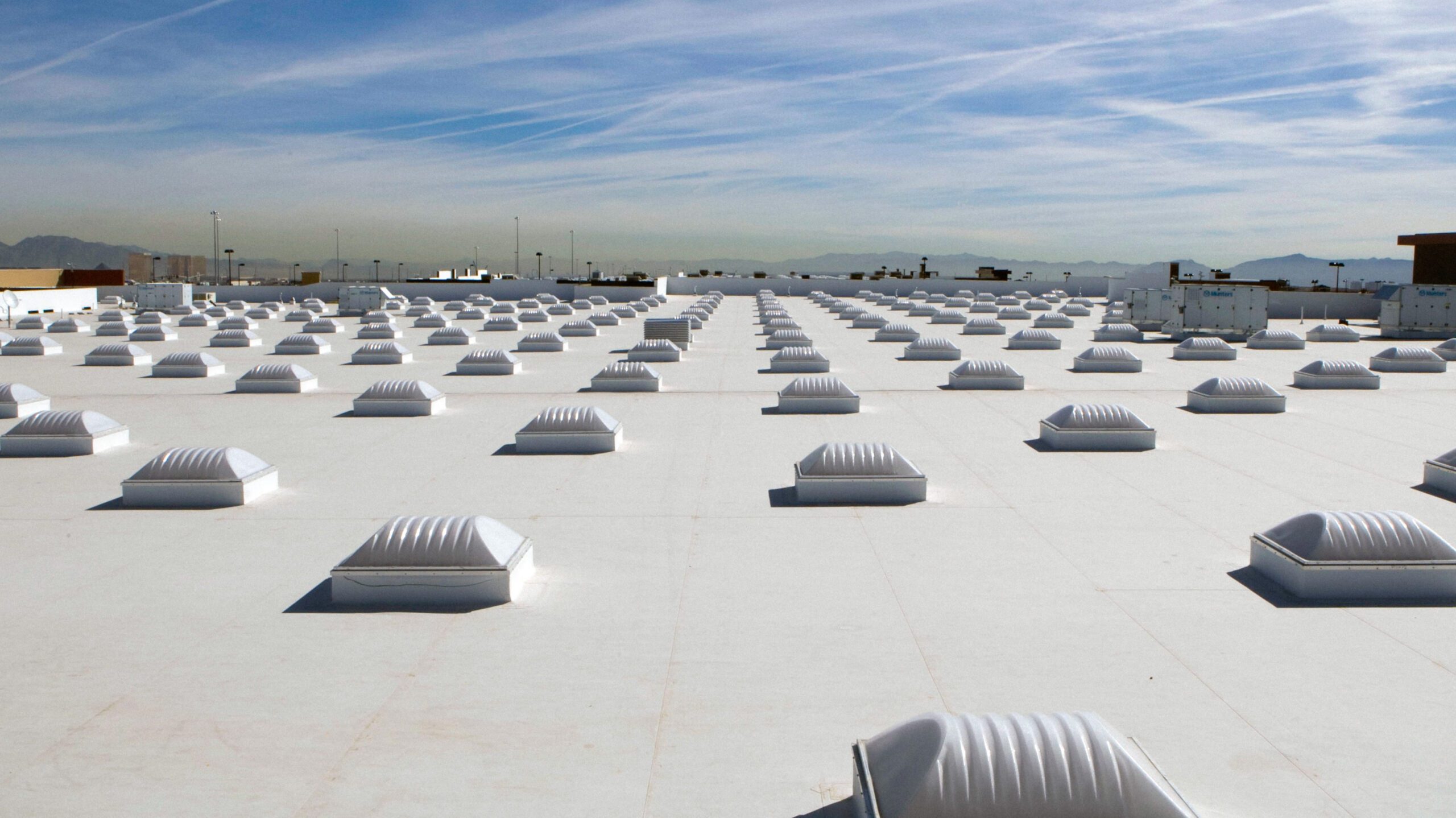
Energy-Efficient Cool Roof Installation in Milwaukee, WI
Energy-Efficient Cool Roof Installation for Milwaukee commercial buildings. Inspection, documentation, repair, maintenance, and replacement planning.
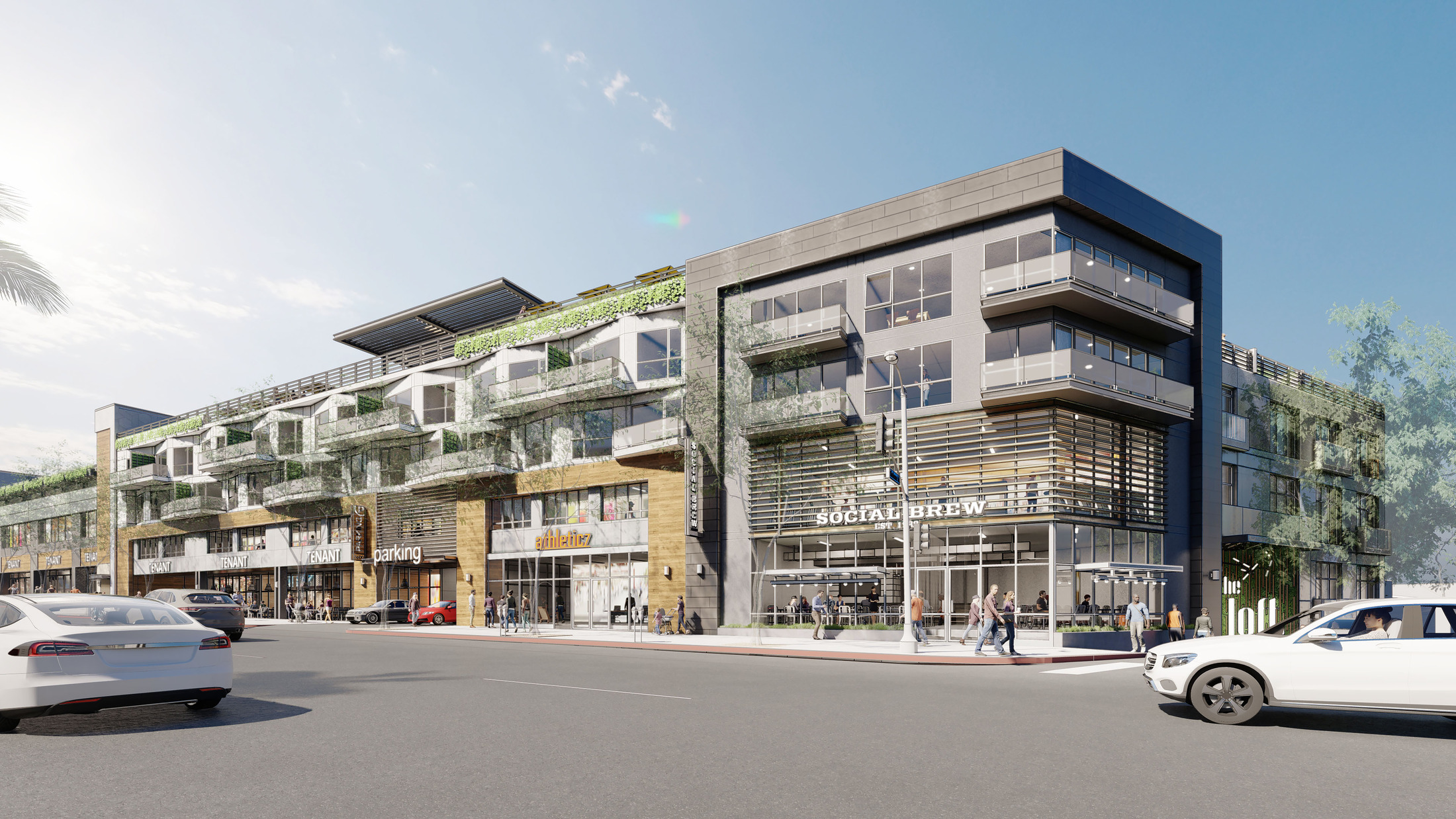
Mixed-Use Development Roofing in Milwaukee, WI
Commercial roofing for mixed-use buildings, urban infill developments, and live-work-play properties throughout Milwaukee, WI.
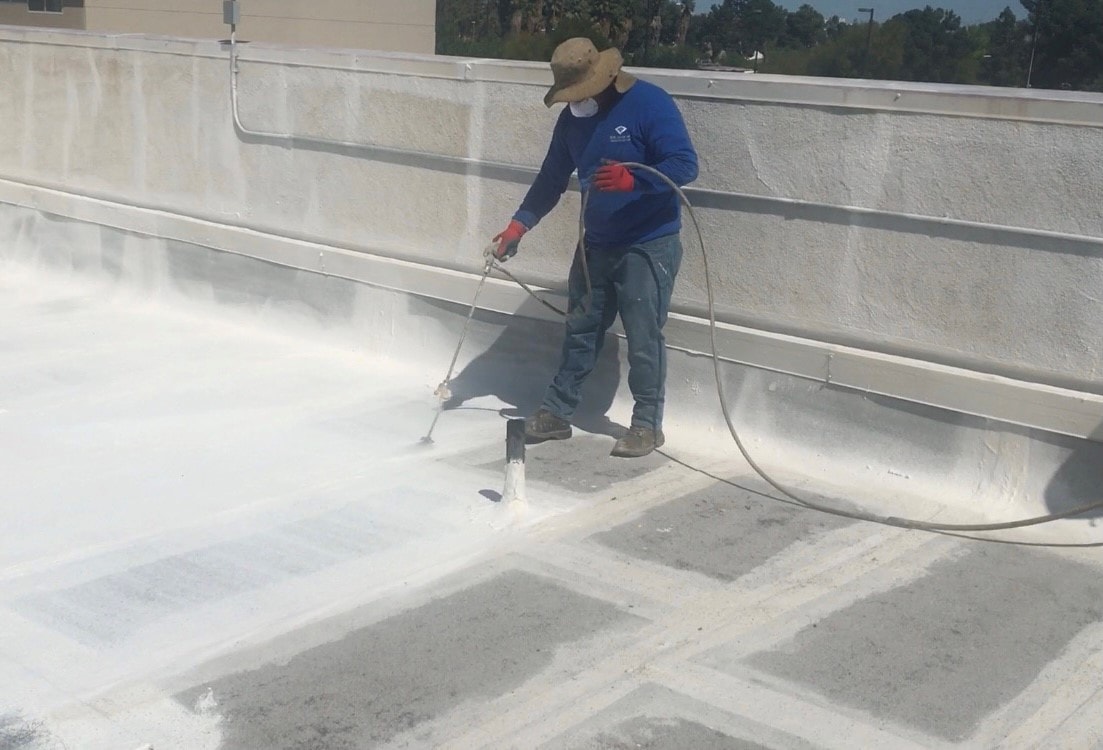
Acrylic and Silicone Roof Coatings in Milwaukee, WI
Acrylic and Silicone Roof Coatings for Milwaukee commercial buildings. Inspection, documentation, repair, maintenance, and replacement planning.