
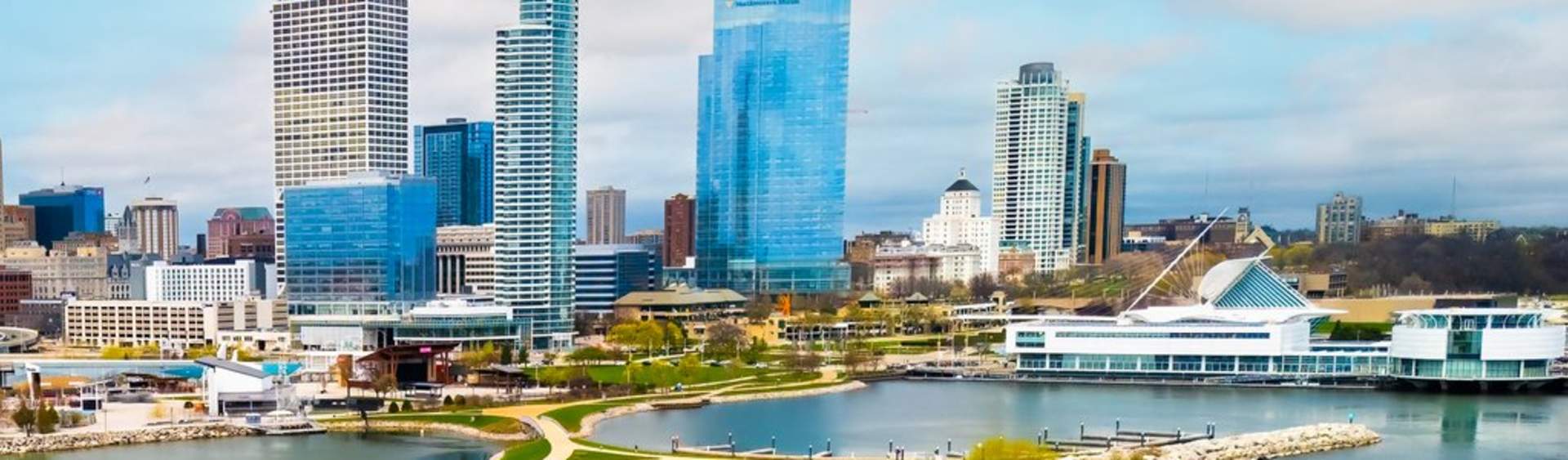
Mixed-Use Development Roofing in Milwaukee, WI
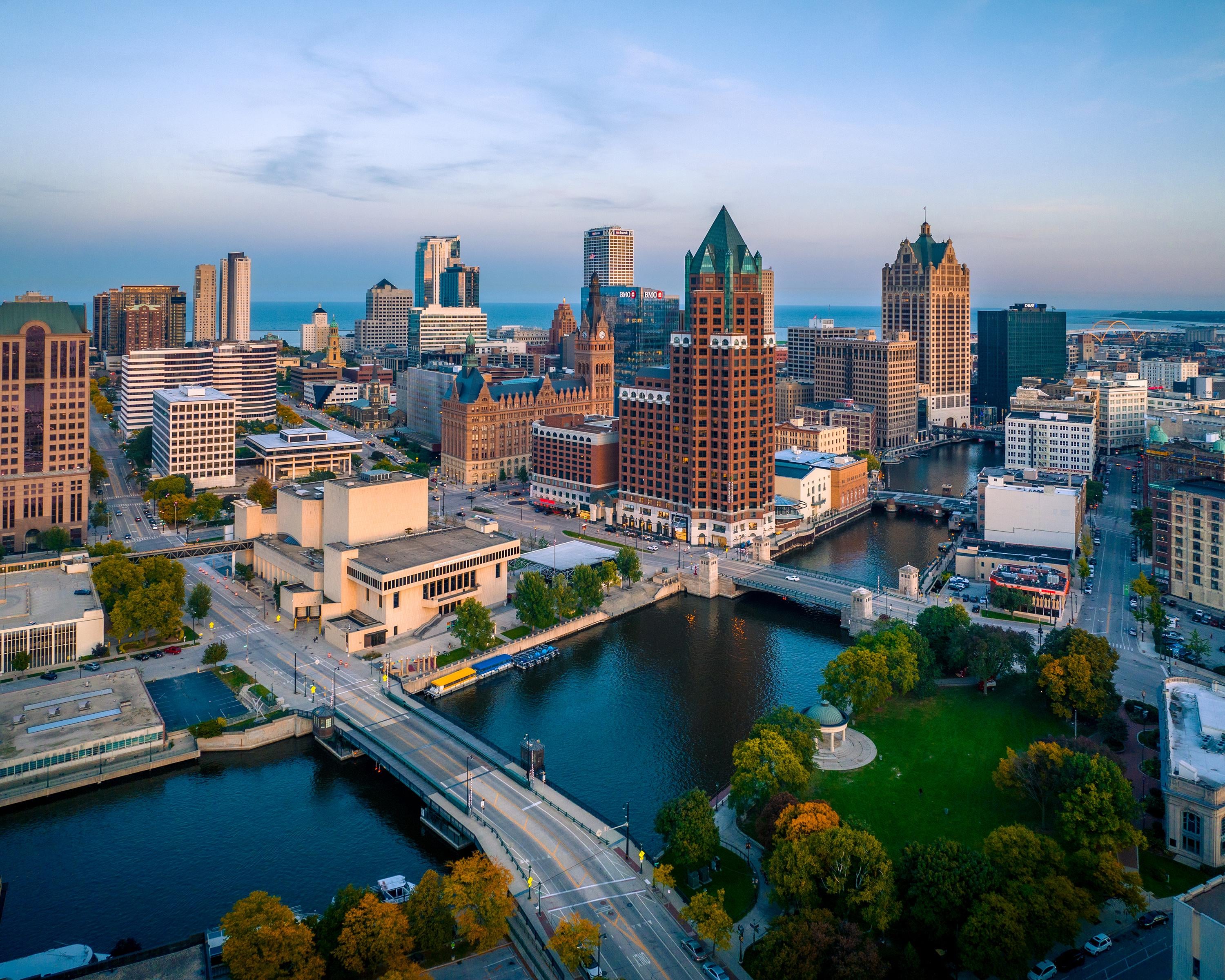
Roofing and podium waterproofing for mixed-use developments in Milwaukee, WI — combined retail, residential, and parking roof areas with coordinated warranties.
Roofing for Milwaukee's mixed-use buildings — shops below, apartments above, parking underneath, and one waterproofing plan that has to hold all of it together.
One building, several roofs stacked on each other
The mixed-use buildings going up and being rehabbed across Milwaukee are some of the hardest roofs in town to get right, precisely because there is rarely just one roof. Walk a project in the Historic Third Ward, along the Milwaukee River in the Beerline corridor, or out in Walker's Point where old industrial stock keeps getting reborn as ground-floor retail under apartments, and you find three or four different waterproofing problems sharing one address. There is the main low-slope roof up top, the podium deck between the parking or retail base and the residences above, the amenity terrace residents actually walk on, and the parapets and penthouse details wrapping it all. Treat that as one flat plane and you will be back inside two years.
We scope these vertically, the way the building actually works. Each level has its own occupancy, its own mechanical load, and its own consequence if it leaks — a failure over a parking deck is an annoyance, the same failure over a leased unit in a building near the Fiserv Forum entertainment district is a tenant claim and a developer's headache.
Podium decks are waterproofing, not roofing
The most expensive mistake we see on Milwaukee mixed-use jobs is specifying a standard roof membrane on a podium deck. The podium — the slab between retail or structured parking below and the residential or office floors above — carries pedestrian traffic, planters, sometimes drive lanes, and constant hydrostatic pressure wherever landscaping holds water. That calls for a traffic-bearing waterproofing assembly with drainage composite and root barrier, tied into the structural deflection of the slab, not a single-ply roof meant for a maintenance crew's footsteps a few times a year. Confuse the two and the failure shows up below grade where it is brutal to chase and tear into.
Milwaukee's freeze-thaw cycle is unforgiving on these assemblies. Water that sits in a planter or a poorly drained deck joint freezes, expands, and works the system apart over a single hard winter off the lake. We design the drainage and the cover board for that, and we flash planters and curbs as their own details.
Amenity terraces, penthouses, and the parts above people's heads
Rooftop amenity decks have become standard on the mid-rise residential going up near downtown and on the East Side, and they are their own animal. The finished pavers or decking sit over a traffic-bearing membrane, and the moment the deck surface and the waterproofing get installed by people who are not talking to each other, you get leaks at every drain and threshold. We coordinate that assembly with the deck-finish contractor and the structural engineer so the layers actually work as a system.
Up at the main roof, the mechanical penthouse, the elevator overrun, and the parapets generate a dense run of flash-throughs that have to be detailed before, not after, the equipment lands. On urban infill sites these projects also carry constraints a suburban warehouse never does — Milwaukee noise ordinance limits on working hours, no laydown space because the sidewalk is a leased retail frontage, and crews working at height over an occupied public street.
How we keep the warranties from fighting each other
Share the roof address, current issue, photos if available, and any access limits. The response can be framed around inspection, repair, maintenance, coating review, or replacement planning.
Related roof pages
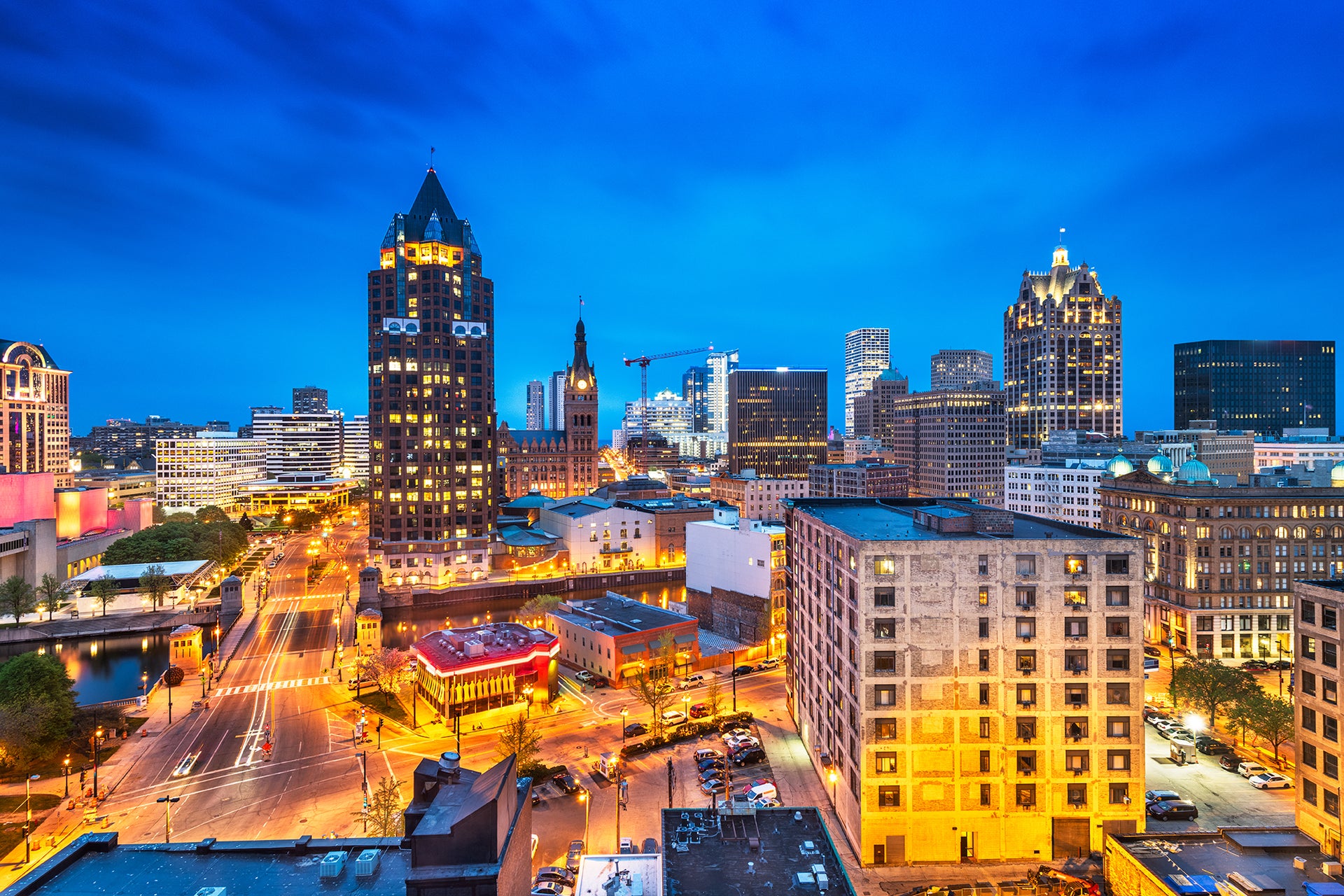
Event Venue & Convention Center Roofing in Milwaukee, WI
Commercial roofing for event venue & convention center roofing in Milwaukee, WI — specifications, scheduling, and project coordination for this building type.
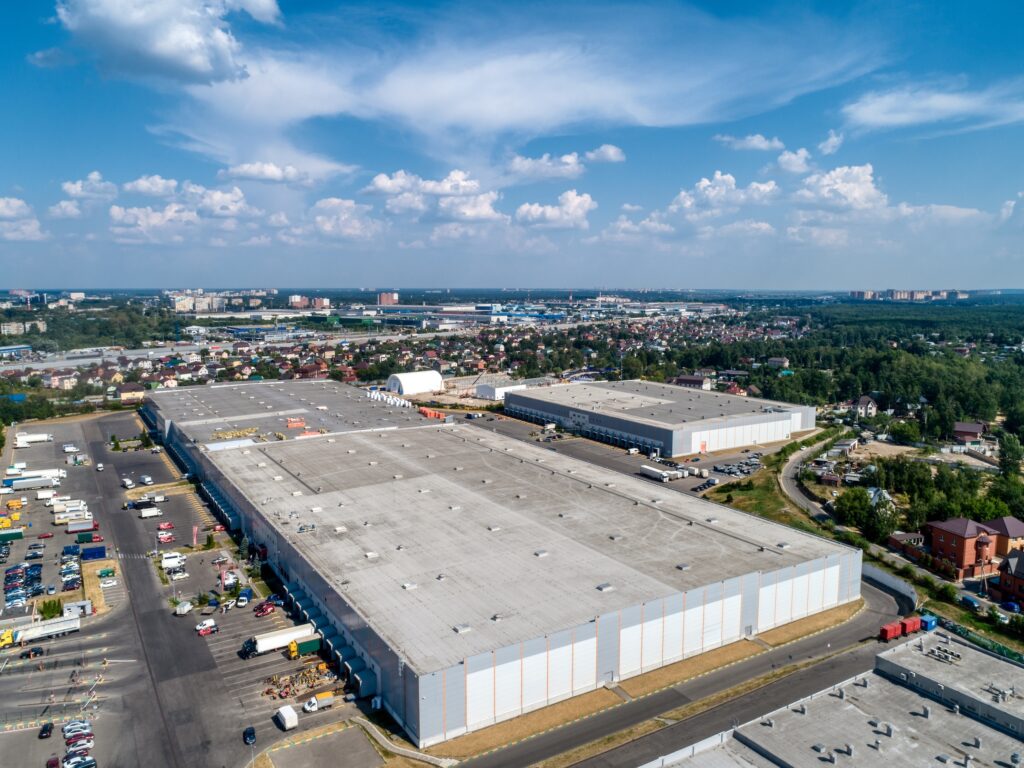
Warehouse and Distribution Center Roofing in Milwaukee, WI
Commercial roofing for warehouses, distribution centers, and industrial facilities throughout Milwaukee, WI. TPO, EPDM, and metal roof systems.
Hospital and Surgery Center Roofing
Hospital and Surgery Center Roofing for Milwaukee commercial buildings. Inspection, documentation, repair, maintenance, and replacement planning.
Office Complex Roofing
Office Complex Roofing for Milwaukee commercial buildings. Inspection, documentation, repair, maintenance, and replacement planning.
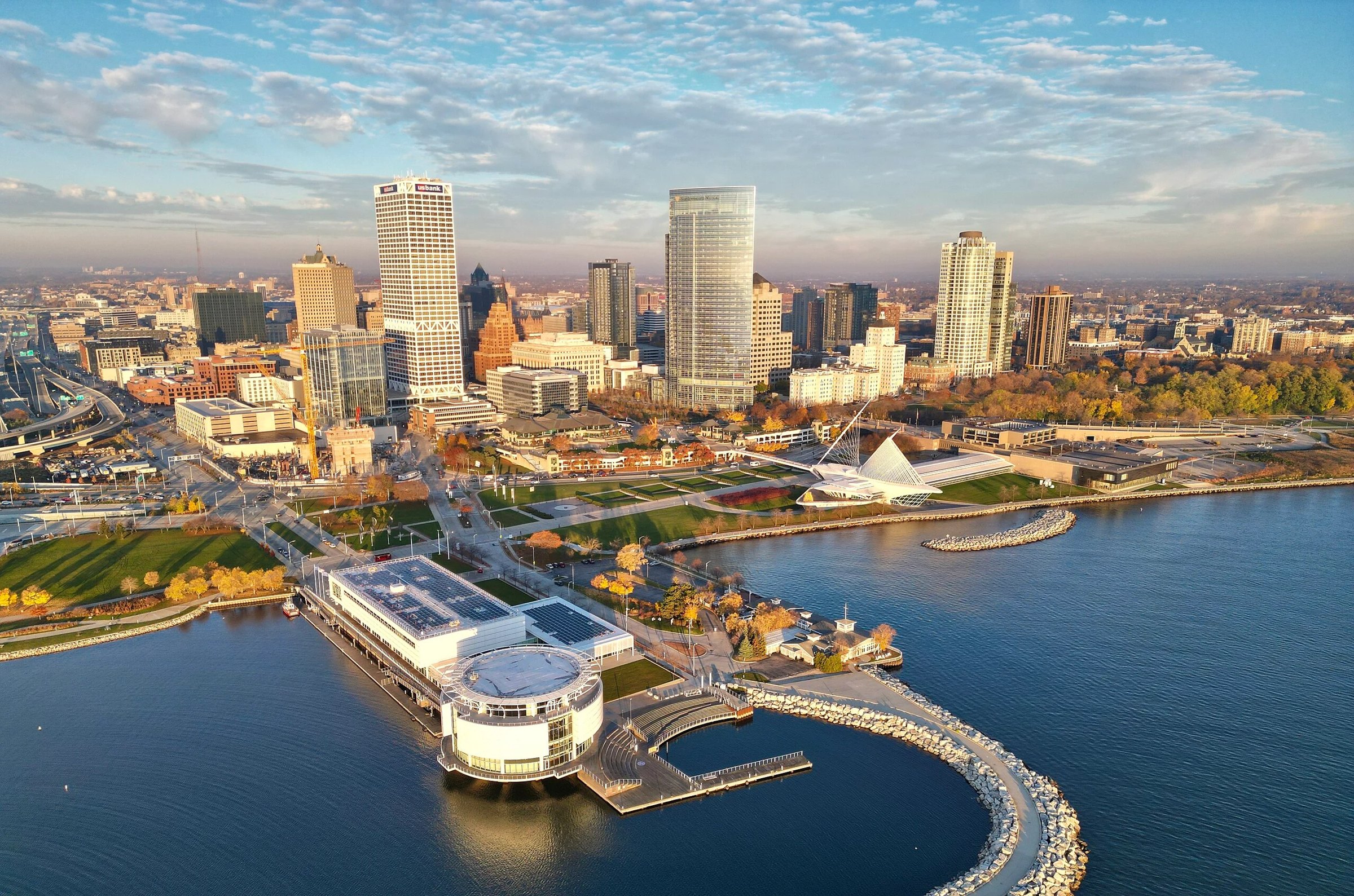
Bank & Financial Building Roofing in Milwaukee, WI
Roofing for banks and financial buildings in Milwaukee, WI — small high-visibility flat roofs, drive-through canopies, and work that respects security and business hours.
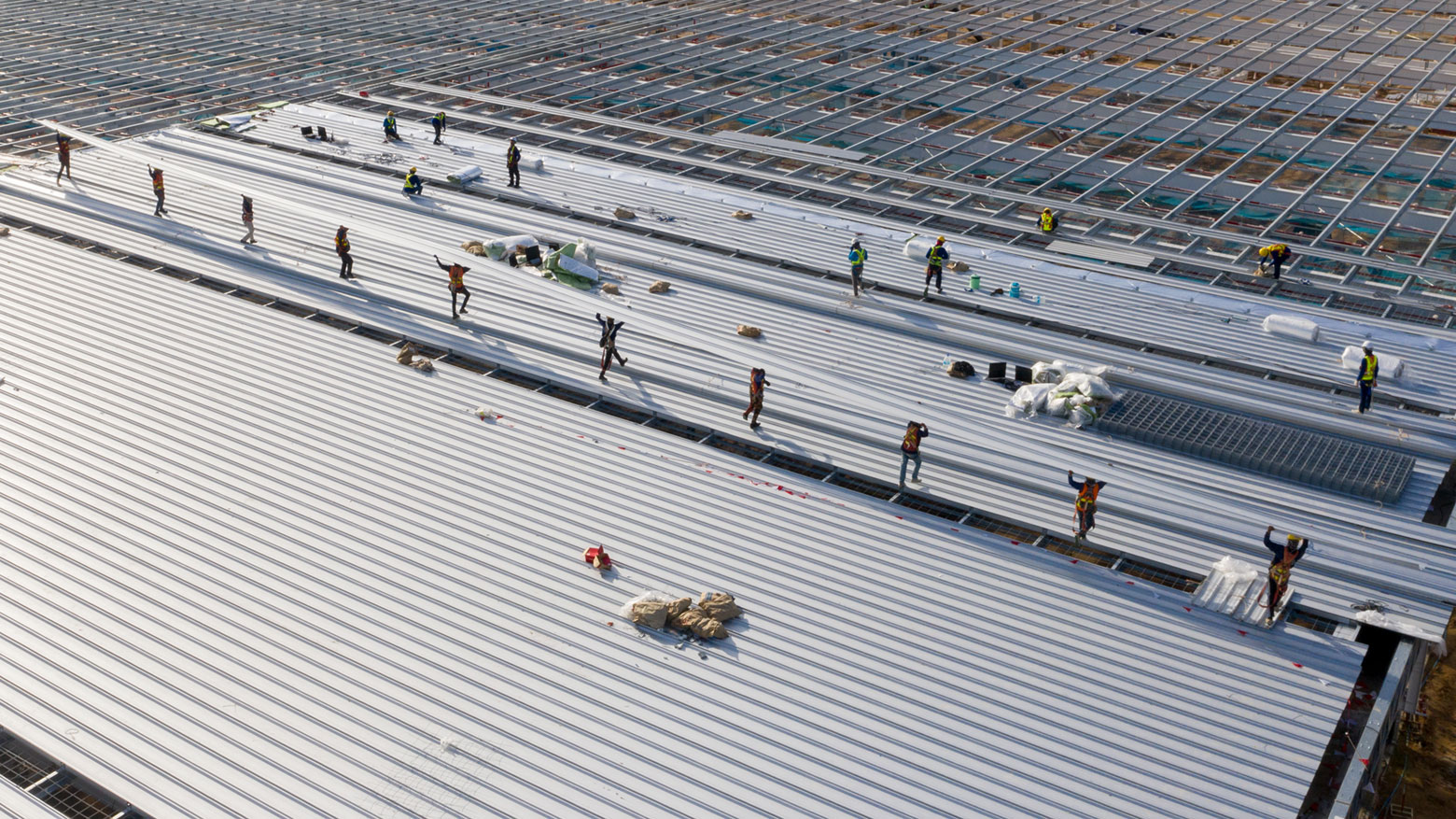
Architectural Sheet Metal in Milwaukee, WI
Architectural Sheet Metal for Milwaukee commercial buildings. Inspection, documentation, repair, maintenance, and replacement planning.
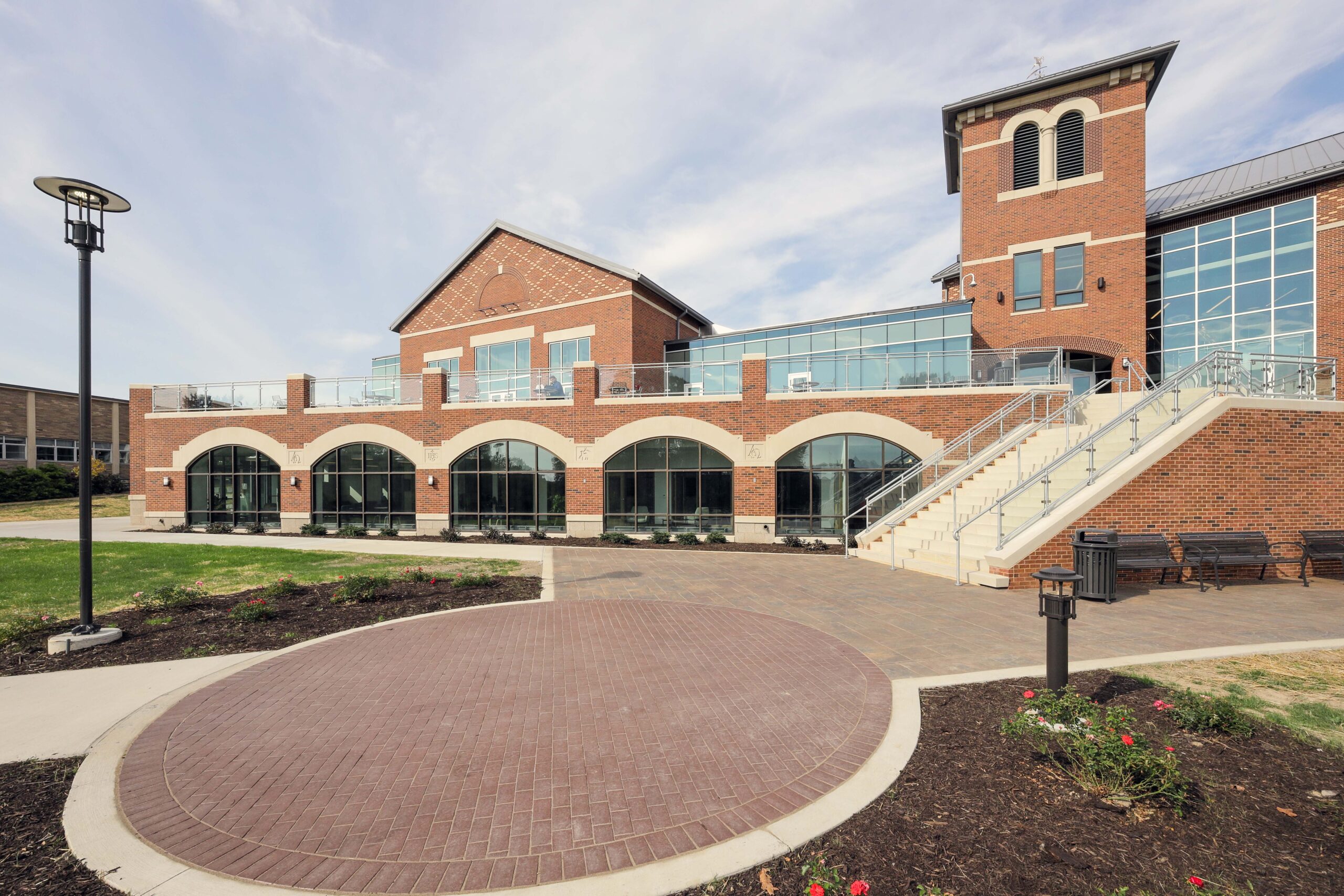
University and College Campus Roofing in Milwaukee, WI
Commercial roofing for university buildings, dormitories, academic halls, and college campuses throughout Milwaukee, WI.
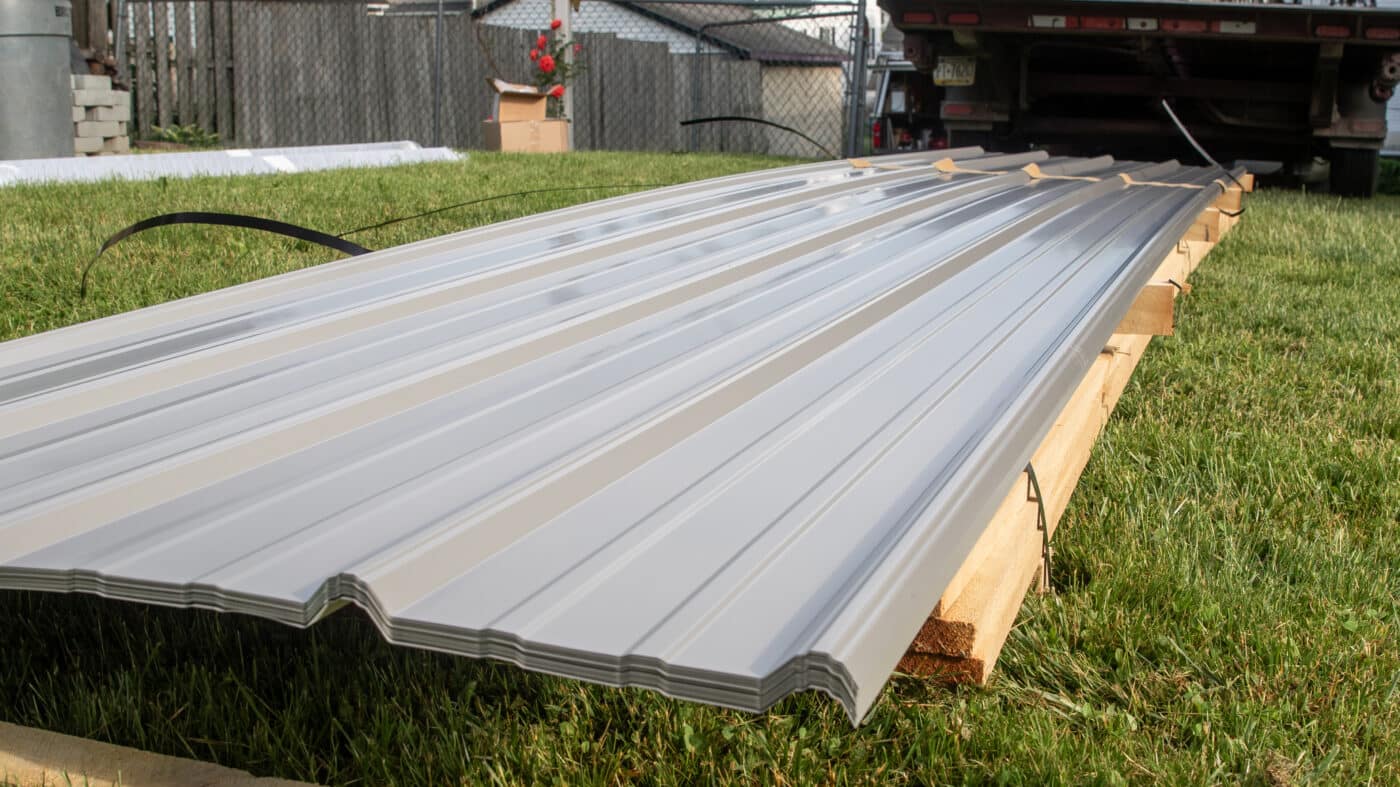
Metal R-Panel Roofing in Milwaukee, WI
Metal R-Panel Roofing for Milwaukee commercial buildings. Inspection, documentation, repair, maintenance, and replacement planning.