
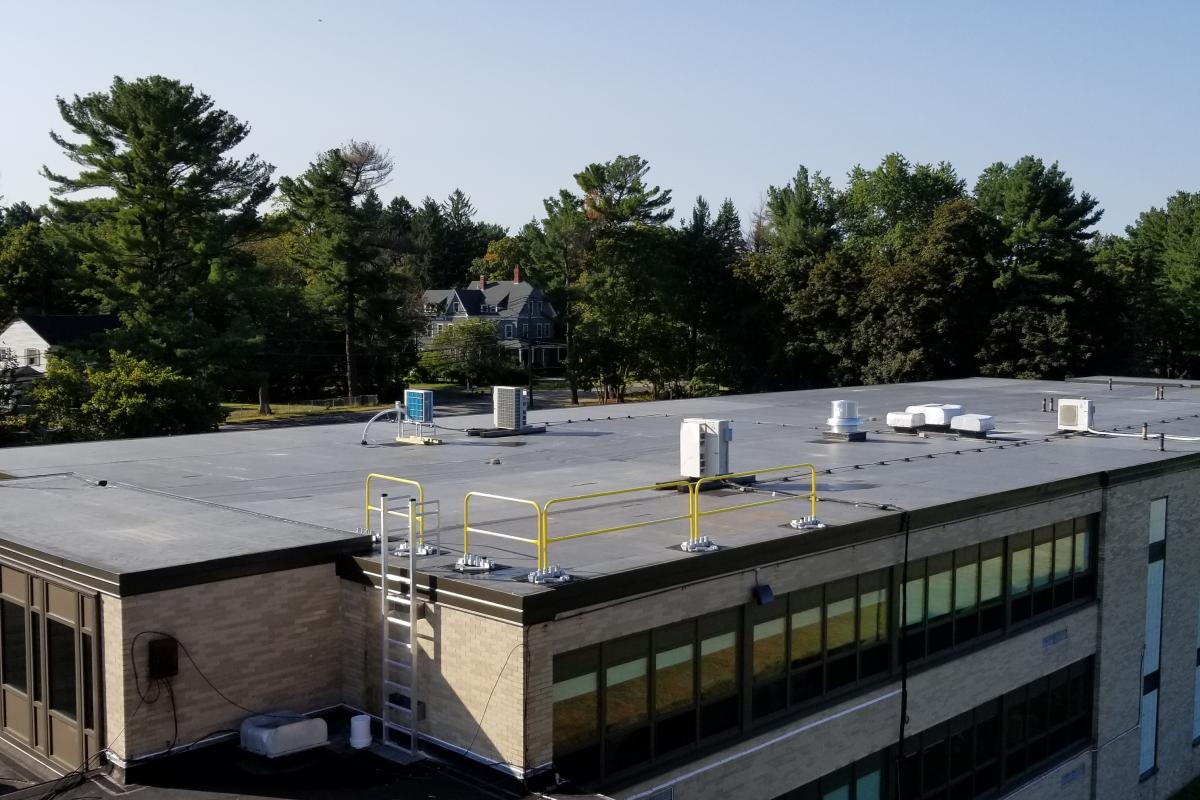
Government and Municipal Building Roofing in Milwaukee, WI
Commercial roofing for city halls, courthouses, fire stations, police stations, and public facilities throughout Milwaukee, WI.
Commercial roofing for government buildings, municipal facilities, and public infrastructure.
Milwaukee's municipal building portfolio reflects the city's deep industrial heritage and its role as the seat of Milwaukee County government alongside its own city government—an arrangement that creates two distinct procurement authorities managing overlapping geographic territories with adjacent but separate roofing capital programs. The City of Milwaukee Comptroller's Office administers procurement for city-owned facilities including Milwaukee City Hall on East Wells Street, the Milwaukee Public Library's Central Library on West Wisconsin Avenue, Milwaukee Fire Department stations serving a dense urban grid, and the Milwaukee Police Department district buildings. Milwaukee County facilities—including the Milwaukee County Courthouse on North Ninth Street, the Milwaukee County Research Center, and the extensive parks system infrastructure—are managed separately through Milwaukee County's Department of Administrative Services Procurement Division. Confusing these two entities is the most common operational error contractors new to Milwaukee's government market make.
Lake Michigan's influence on Milwaukee's climate creates roofing conditions that are more severe and more variable than inland Wisconsin markets might suggest. The lake effect that delivers heavy snow accumulation to Milwaukee's south and west sides during November through February also delays the arrival of spring warmth, meaning that installation windows for cold-temperature-sensitive adhesives and coatings are compressed compared to markets at the same latitude but farther from the lake. Milwaukee fire stations in the Bay View neighborhood and along the South Side lakefront have documented ice dam formation patterns driven by temperature differentials between lake-adjacent and inland portions of the same roof, a phenomenon that standard national roofing specifications do not address but that Milwaukee's Facilities Management Division has incorporated into detailed ice dam control provisions for buildings within the lake effect snow belt.
Milwaukee City Hall is one of the finest examples of Flemish Renaissance Revival civic architecture in the United States, a 1895 building whose exterior clock tower and interior council chamber have been the subject of multiple historically sensitive restoration projects over the decades. Any roofing modification to Milwaukee City Hall, including replacement of built-up roofing on the interior flat sections or repair to the terra cotta and ornamental copper elements associated with the tower, requires review by the Wisconsin State Historic Preservation Office, the Milwaukee Preservation Alliance, and the city's Historic Preservation Commission. Milwaukee City Hall's roofing projects have historically required architect-of-record involvement from firms with documented Wisconsin SHPO experience, and contractors who have not previously participated in a Milwaukee City Hall renovation should anticipate a more intensive submittal review process than standard municipal projects.
Wisconsin's prevailing wage law was repealed in 2017, eliminating state wage requirements for public construction projects. However, Milwaukee's city government—which has historically been sympathetic to organized labor—has explored local prevailing wage ordinances, and contractors should verify whether any Milwaukee-specific wage requirements are in effect at the time of bidding rather than assuming state repeal controls. Federal funding through HUD CDBG allocations, federal transportation grants, and other programs that Milwaukee receives as an Entitlement City brings Davis-Bacon requirements to covered projects regardless of state law status. The City's Department of City Development, which administers CDBG funds, is the point of contact for confirming Davis-Bacon applicability on specific projects, and the department has increased its scrutiny of contractor payroll submissions following audit findings on prior federally funded city construction contracts.
The Milwaukee Public Library system, built around the Central Library and operating a network of branch libraries serving Milwaukee's diverse neighborhood communities, has been the site of multiple roofing capital projects funded through state library facilities grants and city bonds. The Central Library building, constructed in 1898 and expanded over subsequent decades, presents a complex roofing profile with multiple roof levels, historic skylight systems, and copper-clad elements that require specialized trades coordination beyond standard membrane roofing. Branch libraries in Milwaukee's historically disinvested neighborhoods on the north and near west sides have been priority targets for capital investment under the library system's facilities master plan, and those projects have often been structured as multi-branch bundled contracts to maximize procurement efficiency and allow contractors to mobilize equipment across multiple sites.
Milwaukee fire department stations represent a consistent and well-documented segment of the city's roofing capital program. The Milwaukee Fire Department operates approximately 30 stations across a city that spans 96 square miles, and the department's capital planning has been shaped by documented roofing failures that interrupted apparatus operations during winter storms. Several older stations in the Historic Third Ward and the Walker's Point neighborhood were constructed with minimal roof slope and drainage infrastructure that was never adequate for Milwaukee's precipitation loads, and complete roofing system redesign—not just membrane replacement—is required to address systemic drainage deficiencies on those buildings. Milwaukee's current roofing specifications for older fire stations include minimum slope-to-drain requirements and mandatory secondary drainage provisions that reflect these documented performance histories.
Bonding requirements for Milwaukee city roofing contracts are established by Wisconsin Statutes and the City of Milwaukee's purchasing regulations. Performance and payment bonds at 100 percent of contract value are required for public works contracts above $10,000, making Wisconsin one of the lower bonding thresholds in the country and capturing virtually all commercial roofing work on city buildings. The bonding company must be licensed to write surety in Wisconsin, and Milwaukee's standard contract forms require that bonds be issued by a surety rated at least A- by A.M. Best or equivalent. Milwaukee County imposes the same bonding requirements on county construction contracts and verifies surety ratings against current A.M. Best publications as of the bid date, not the contract date.
Milwaukee's commitment to environmental sustainability through the city's Resilient Milwaukee Climate and Equity Plan has translated into roofing specifications that require cool roof reflectance standards, minimum insulation R-values aligned with Wisconsin Energy Code updates, and provisions for solar-ready infrastructure on buildings identified in the city's community solar master plan. The Milwaukee Metropolitan Sewerage District, a quasi-governmental agency separate from city government, has also been incorporating green roof provisions into its infrastructure facilities in alignment with its stormwater management mission, creating an adjacent market for roofing contractors with green roof installation capability. City facilities managers point to documented heating cost reductions from insulation upgrades on Milwaukee buildings—where heating degree days substantially exceed those of Sun Belt government markets—as the primary economic justification for above-code insulation requirements in roofing specifications.
Contractors seeking to establish a government roofing practice in Milwaukee benefit from engagement with the City's Emerging Business Enterprise program, which certifies minority-owned, women-owned, and small business firms for preference credits on city contracts. The city's procurement portal posts capital improvement project forecasts that allow contractors to track upcoming roofing opportunities well ahead of formal bid advertisement. Milwaukee's construction community is active in the Wisconsin Roofing Contractors Association and the local chapter of the Associated General Contractors, both of which maintain working relationships with Milwaukee Facilities Management staff and Milwaukee County procurement officers, and industry participation provides the introductions to project managers that translate into early intelligence about roofing project scope and timing.
Share the roof address, current issue, photos if available, and any access limits. The response can be framed around inspection, repair, maintenance, coating review, or replacement planning.
Related roof pages
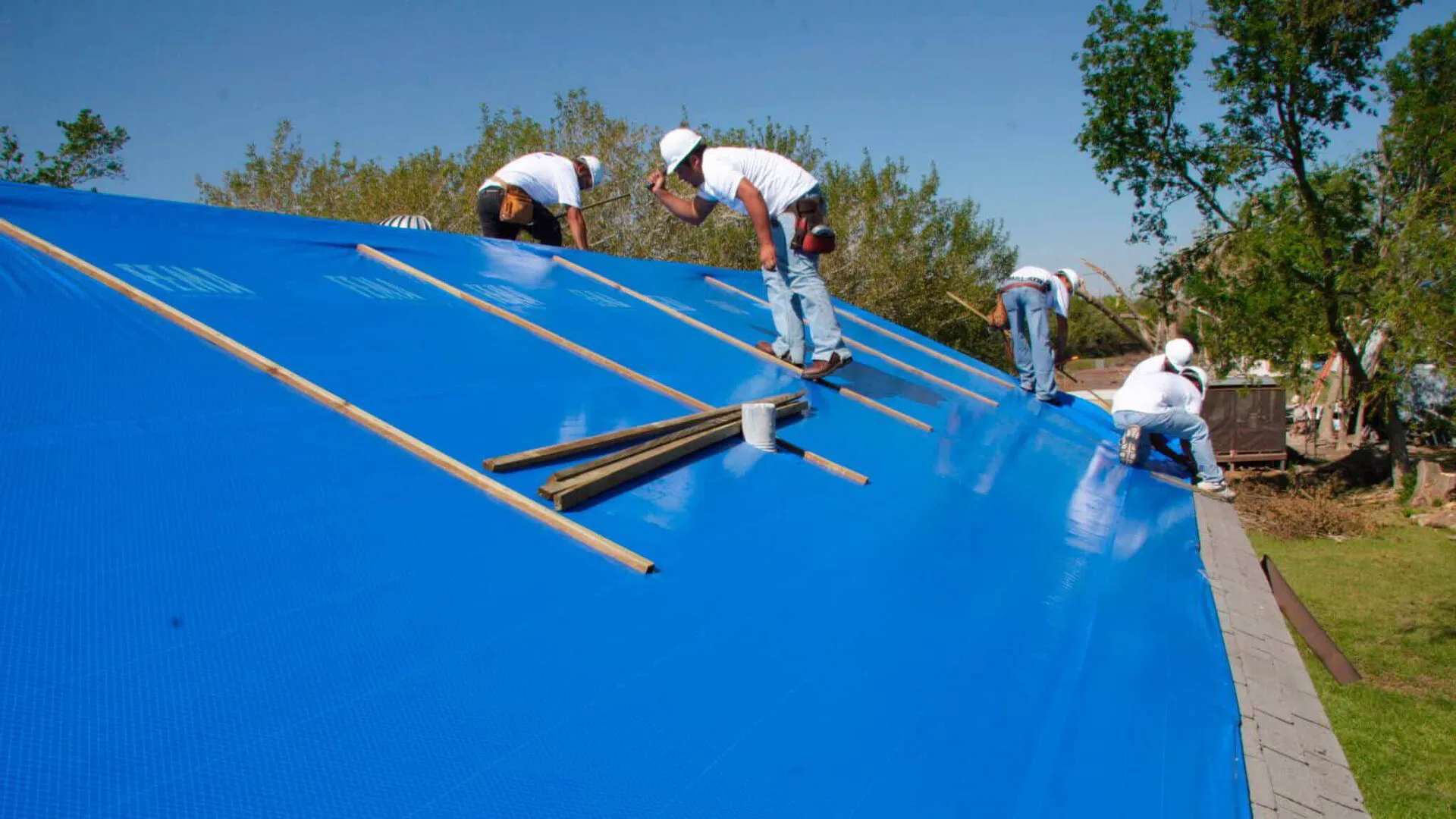
Storm Damage Roof Repair in Milwaukee, WI
Storm Damage Roof Repair for Milwaukee commercial buildings. Inspection, documentation, repair, maintenance, and replacement planning.
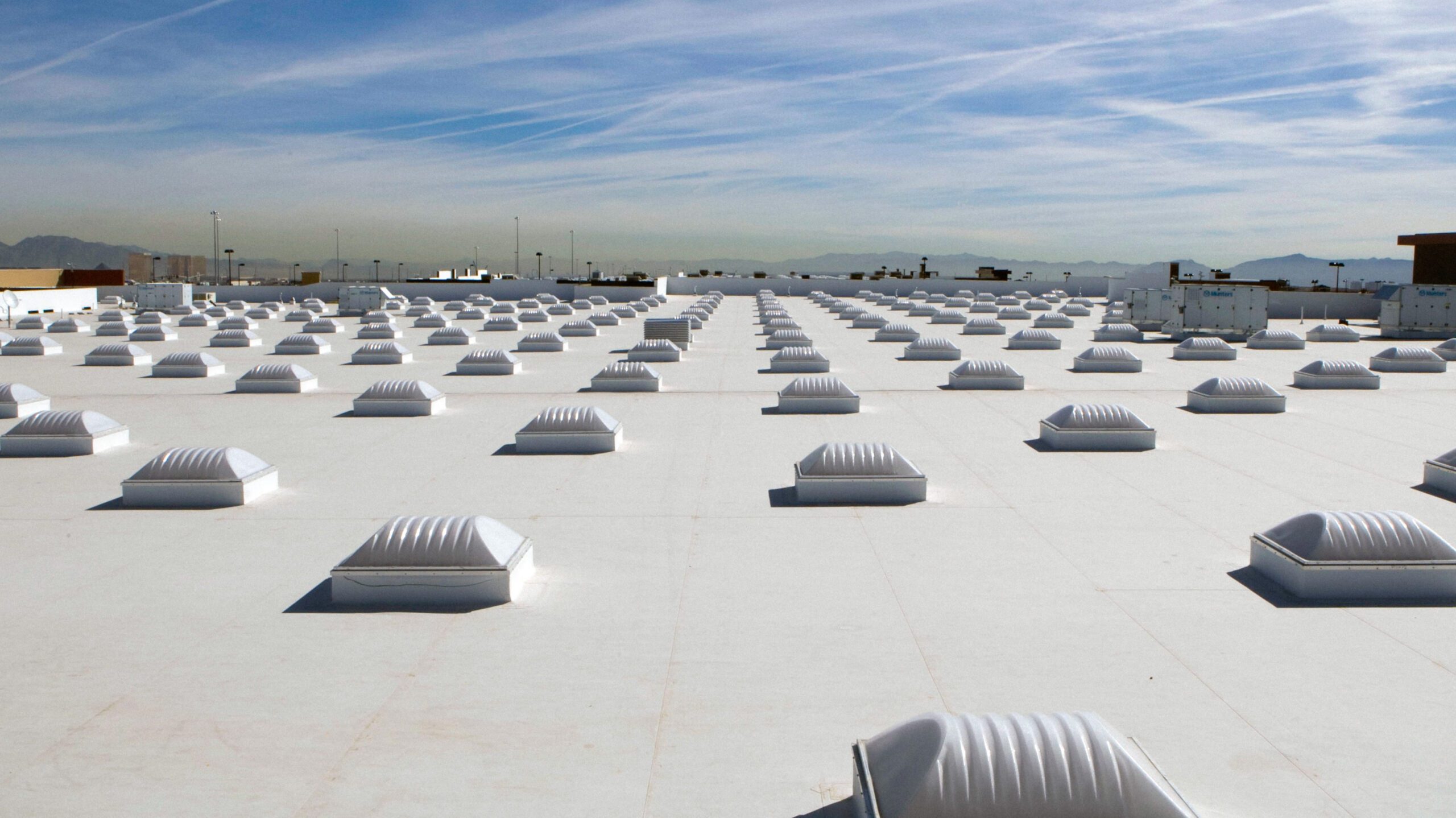
Energy-Efficient Cool Roof Installation in Milwaukee, WI
Energy-Efficient Cool Roof Installation for Milwaukee commercial buildings. Inspection, documentation, repair, maintenance, and replacement planning.
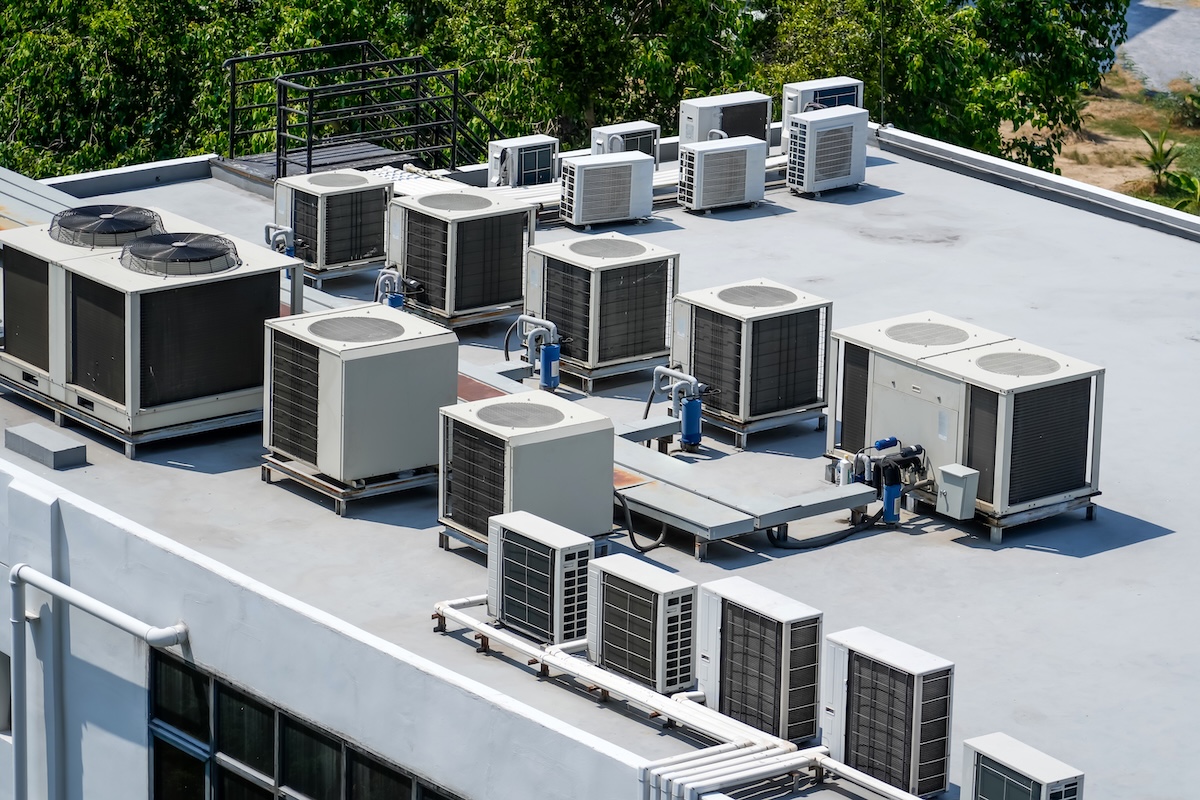
Office Building Roofing in Milwaukee, WI
Commercial roofing for Class A, B, and C office buildings, suburban office parks, and downtown towers throughout Milwaukee, WI.
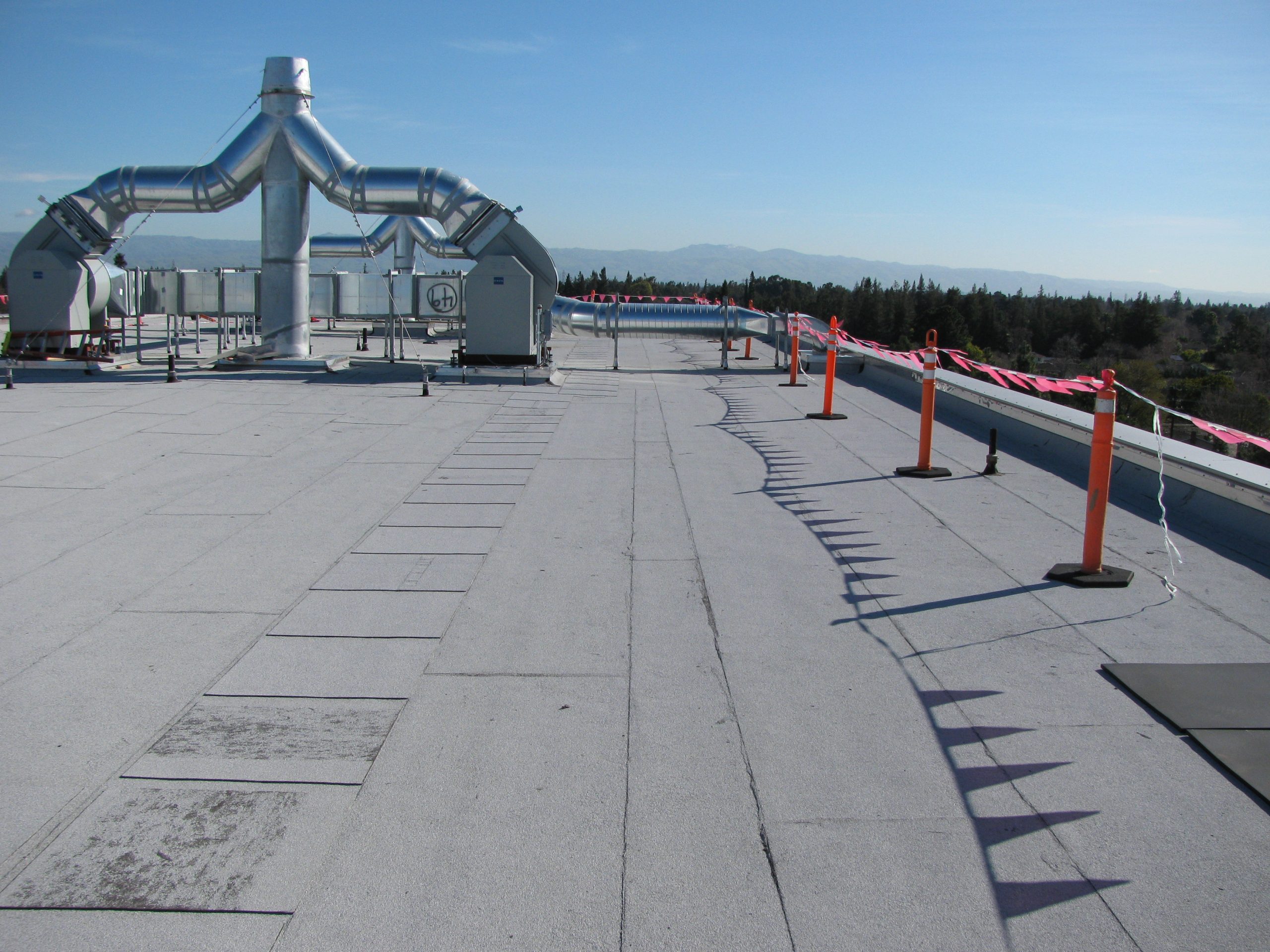
Occupied Building Re-Roofing in Milwaukee, WI
Occupied Building Re-Roofing for commercial buildings across Milwaukee.
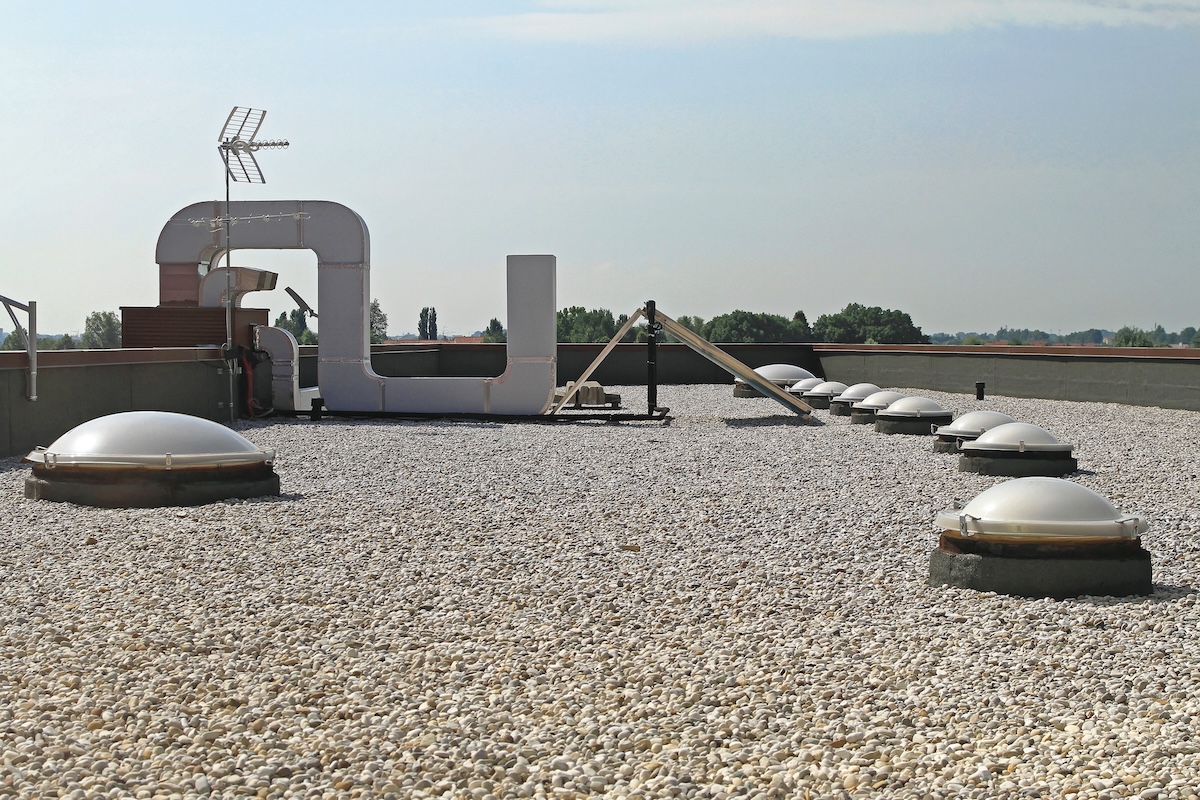
Built-Up Roofing in Milwaukee, WI
Built-Up Roofing for Milwaukee commercial buildings. Inspection, documentation, repair, maintenance, and replacement planning.
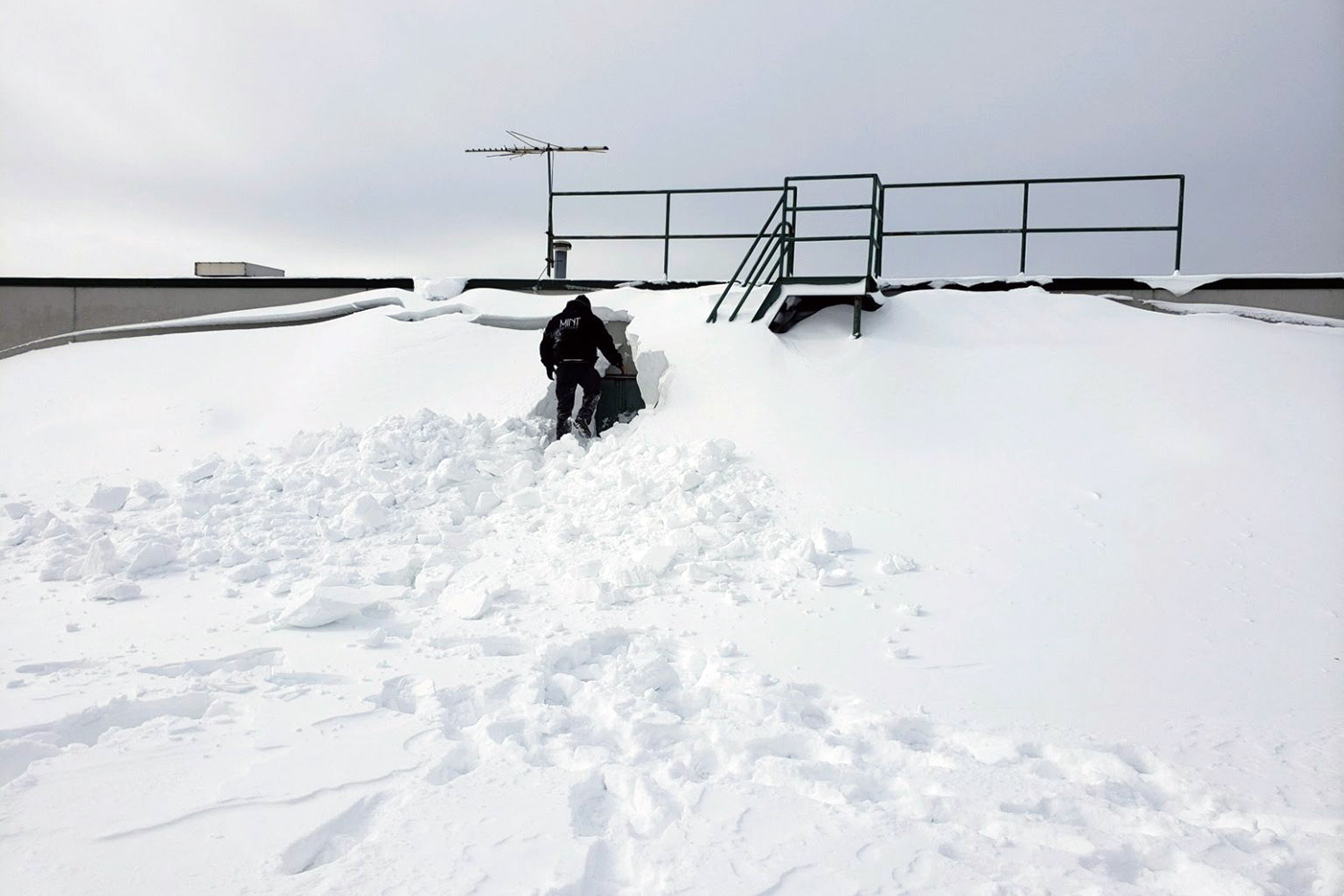
Snow and Ice Roof Damage in Milwaukee, WI
Snow and Ice Roof Damage for Milwaukee commercial buildings. Inspection, documentation, repair, maintenance, and replacement planning.
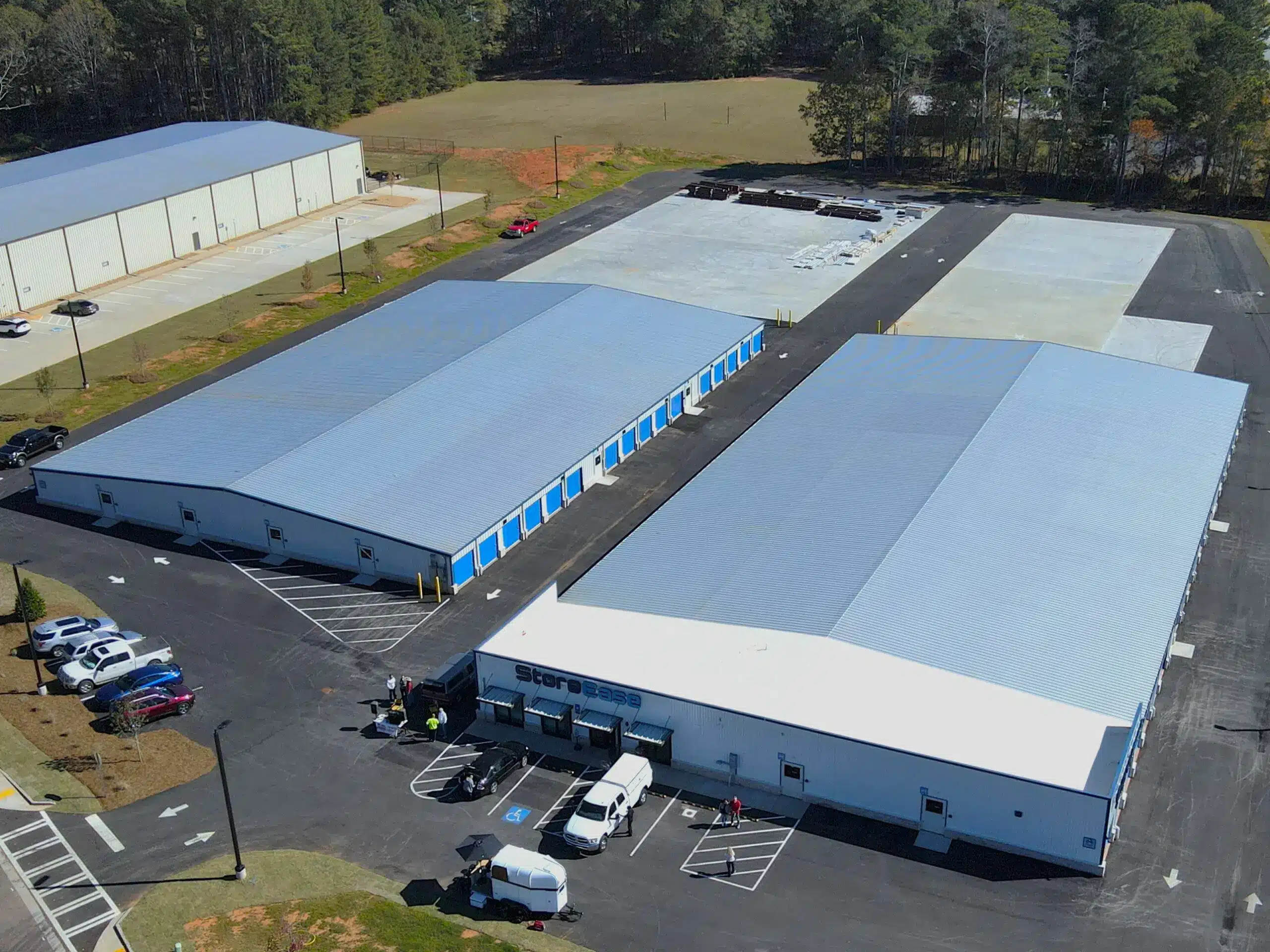
Self-Storage Facility Roofing in Milwaukee, WI
Commercial roofing for self-storage facilities, mini-storage buildings, and climate-controlled storage properties throughout Milwaukee, WI.
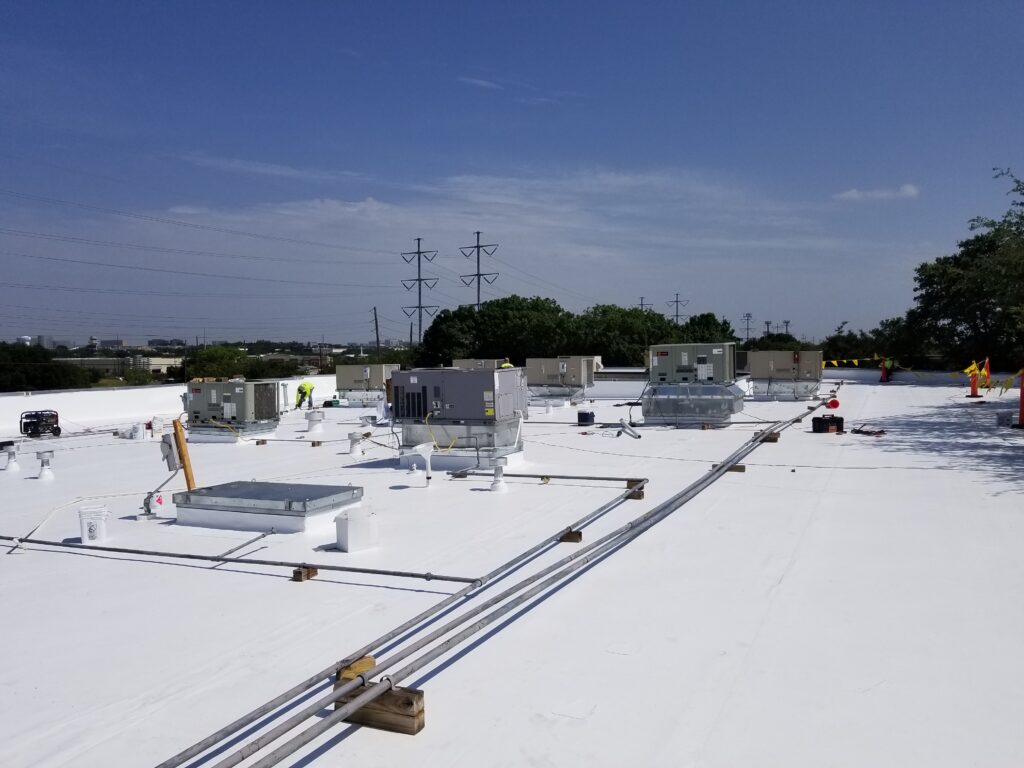
EPDM Commercial Roofing in Milwaukee, WI
EPDM Commercial Roofing for Milwaukee commercial buildings. Inspection, documentation, repair, maintenance, and replacement planning.