
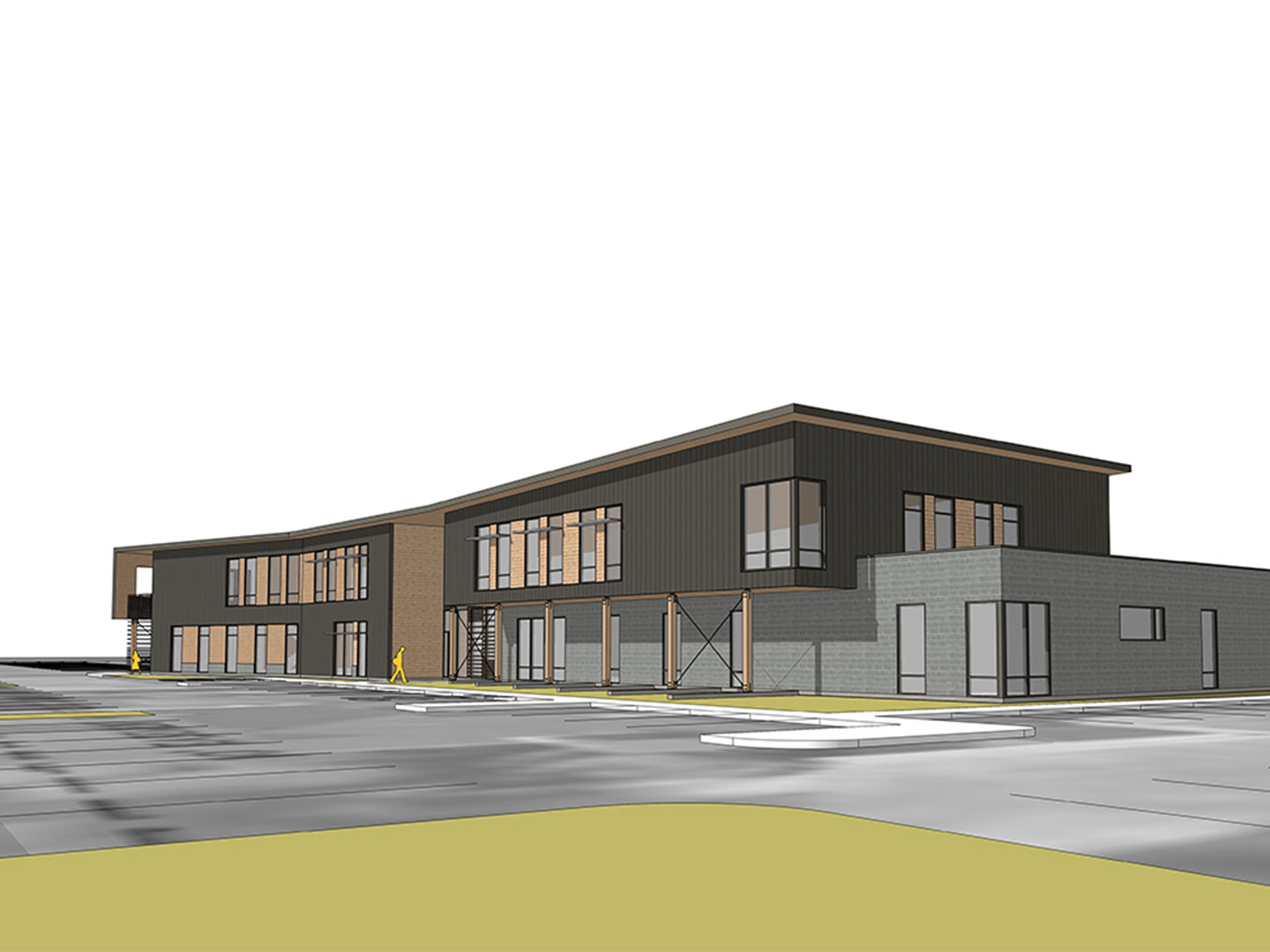
Healthcare Facility Roofing in Milwaukee, WI
Commercial roofing for hospitals, medical office buildings, surgical centers, and healthcare facilities throughout Milwaukee, WI.
Commercial roofing for hospitals, medical offices, clinics, and healthcare facilities.
Milwaukee's healthcare sector is centered on one of the most significant academic medical concentrations in the upper Midwest, centered on the Medical College of Wisconsin and Froedtert Health's flagship hospital on the Wauwatosa campus. Children's Wisconsin, formerly Children's Hospital of Wisconsin, operates an internationally recognized pediatric program adjacent to Froedtert that draws complex cases from across the region. Aurora Health Care, now part of Advocate Aurora Health, operates multiple Milwaukee-area hospitals including Aurora St. Luke's Medical Center, which houses one of the highest-volume cardiovascular surgery programs in Wisconsin. ProHealth Care serves the western suburbs with hospitals in Waukesha and Oconomowoc, while Ascension Health's Milwaukee presence includes Columbia St. Mary's. This multi-system environment generates continuous capital investment in both hospital expansion and ambulatory care development across a metro area that extends from Ozaukee County south to Racine.
Milwaukee's climate is among the most demanding in North America for commercial roofing systems. Lake Michigan's proximity moderates temperature extremes somewhat compared to inland Wisconsin, but it introduces lake-effect snow events that can deposit 12 to 18 inches of heavy, wet snow in 24 hours — creating roof loads that must be designed for explicitly in healthcare facilities that cannot be evacuated or closed during weather events. The freeze-thaw cycling that defines Milwaukee's shoulder seasons is relentless: winter temperatures routinely reach minus-15 degrees Fahrenheit while summer peaks push past 90, creating a thermal range that stresses every material transition point in a roofing assembly. The moisture that Lake Michigan contributes to the regional climate keeps humidity higher than comparable inland markets, sustaining biological growth conditions on membrane surfaces that require periodic treatment.
Snow load management is a healthcare roofing obligation in Milwaukee that has no equivalent in southern markets. The 2019 polar vortex events and the 2022 lake-effect snow season both demonstrated that Milwaukee healthcare facilities carry roof loads during winter that approach or exceed the design values used in original structural calculations for older buildings. Froedtert Hospital's facilities engineering team, like those at Aurora St. Luke's and Children's Wisconsin, maintains snow load monitoring protocols that include instrumented measurement of accumulated snow depth and density calculations used to determine when rooftop snow removal is required before structural limits are approached. Roofing contractors who provide emergency snow removal services for hospital campuses must be credentialed and pre-qualified before the snow season begins, because post-storm credentialing cannot occur quickly enough when a snow load emergency develops.
The infection control requirements at Milwaukee's hospital campuses reflect the research and transplant programs that make this market clinically distinctive. The bone marrow transplant program at Froedtert, the pediatric oncology program at Children's Wisconsin, and the research laboratories at the Medical College of Wisconsin all represent environments where fungal contamination from rooftop construction activity is a patient safety risk that cannot be dismissed as theoretical. ICRA compliance at these institutions includes air sampling protocols adjacent to construction zones, direct oversight by infection control professionals during operations with high contamination potential, and documentation standards that reflect the Joint Commission's Environment of Care requirements. These standards are not simply bureaucratic requirements — they reflect the clinical experience of institutions that have seen construction-related infection events and taken the lessons seriously.
Medical office and ambulatory care development in Milwaukee's suburbs has concentrated in the North Shore communities, in Wauwatosa around the Froedtert campus, and in the western suburbs along I-94 and WI-16. The Advocate Aurora Health and Children's Wisconsin systems have both pursued aggressive ambulatory network expansion to serve suburban populations and capture outpatient volume that has traditionally required hospital campus visits. These ambulatory facilities — surgery centers, imaging centers, cancer care infusion facilities — require roofing systems engineered for Milwaukee's snow load requirements and the heavy rooftop mechanical equipment that clinical-grade HVAC demands. Single-ply TPO systems with enhanced mechanical fastening patterns are the standard specification for new ambulatory construction in Milwaukee's snow zone, providing the wind uplift and snow load performance that this climate requires.
Building envelope performance during Milwaukee's winters is as much a heat retention question as a waterproofing question. Healthcare facilities operating in this climate carry substantial heating loads, and roofing assemblies with inadequate insulation R-values contribute to both energy waste and the condensation risk that forms when warm interior air contacts cold roof deck sections. Above-deck polyisocyanurate insulation assemblies meeting or exceeding Wisconsin Energy Code requirements reduce this risk while lowering the energy costs that 24-hour clinical operations accumulate over a full heating season. The financial return on proper insulation specification is measurable at facilities like Aurora St. Luke's, where winter heating loads are substantial, making insulation investment one of the most defensible capital expenditures in a roofing system replacement.
Milwaukee's assisted living and memory care market has developed extensively in the suburban communities, particularly in Brookfield, Mequon, and Elm Grove. These facilities serve a population that has both the financial resources and the expectation of quality facility environments that informed their housing choices. Physical plant quality — visible in the condition of common areas, the absence of musty odors, and the absence of any ceiling evidence of past water intrusion — directly influences occupancy rates at market-rate assisted living communities. Roofing maintenance programs that prevent the moisture events that produce these visible quality signals are a direct competitive advantage in Milwaukee's premium senior living market, where families making placement decisions compare facilities closely before committing.
The historic building stock in Milwaukee's urban core presents specific challenges for healthcare facilities housed in converted or renovated structures. Federally Qualified Health Centers and community health clinics operating in Milwaukee's central city neighborhoods often occupy buildings where the original roof deck is wood plank or cellular concrete construction that requires specialized assessment before any re-roofing project begins. These substrates require specific attachment methods and insulation assembly designs to achieve the thermal and moisture performance that modern roofing standards require. Contractors who routinely work in Milwaukee's older building stock understand these substrate-specific requirements and bring appropriate solutions that generic new-construction specifications do not address.
Healthcare facility managers in Milwaukee evaluating roofing contractors should prioritize documented snow country experience, ICRA training certification, Wisconsin contractor licensing, and references from major local healthcare institutions. The combination of Milwaukee's snow load requirements, Lake Michigan's moisture influence, and the extreme thermal cycling range creates a climate profile that requires contractor expertise specifically developed in this market. Contractors who primarily work in more temperate regions may underspecify fastening patterns, overlook snow load design requirements, or fail to provide the insulation assembly depth that Wisconsin energy code and condensation risk management require. Local expertise, combined with healthcare-specific operational competence, defines the contractor category that Milwaukee's clinical facilities need.
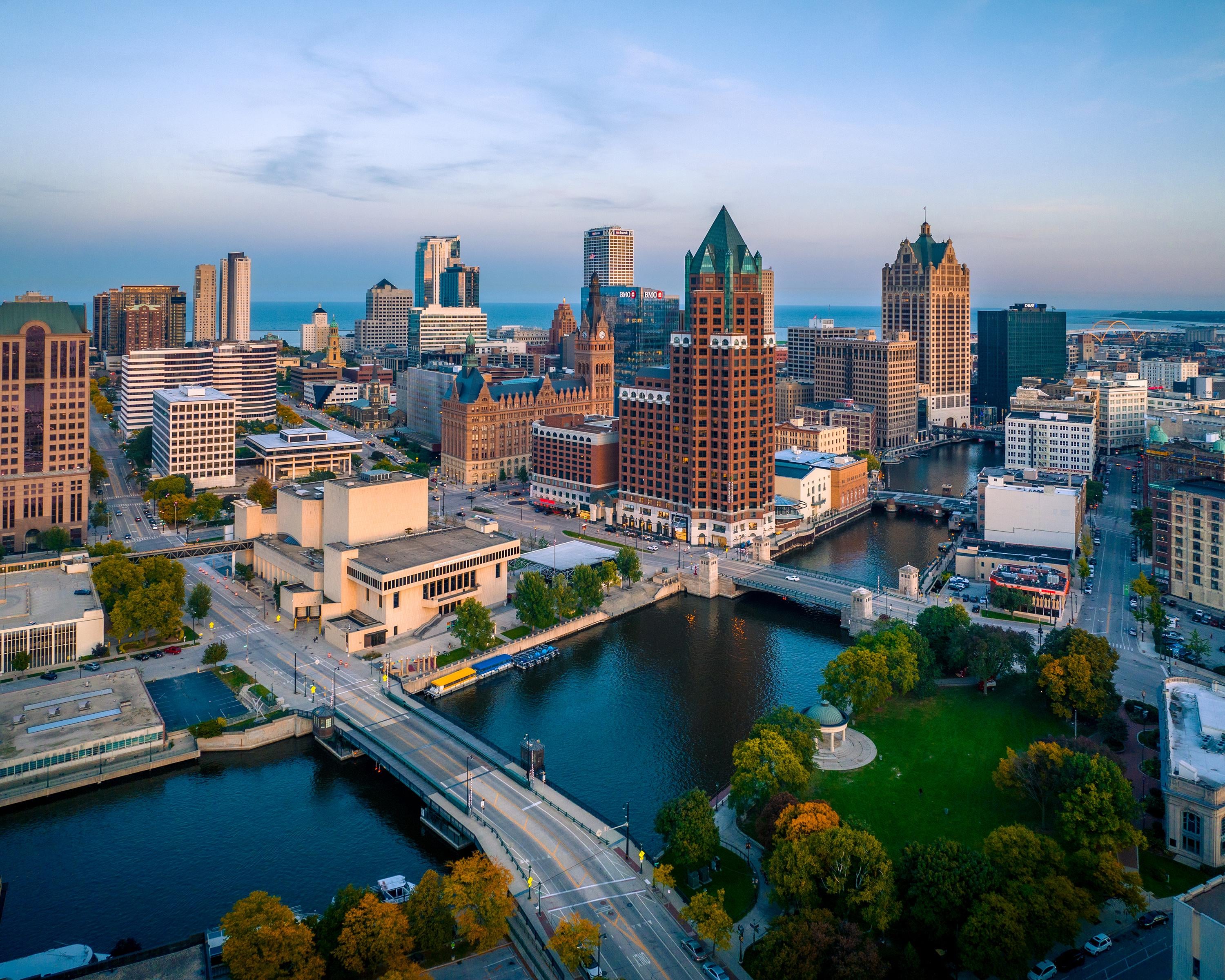
Share the roof address, current issue, photos if available, and any access limits. The response can be framed around inspection, repair, maintenance, coating review, or replacement planning.
Related roof pages
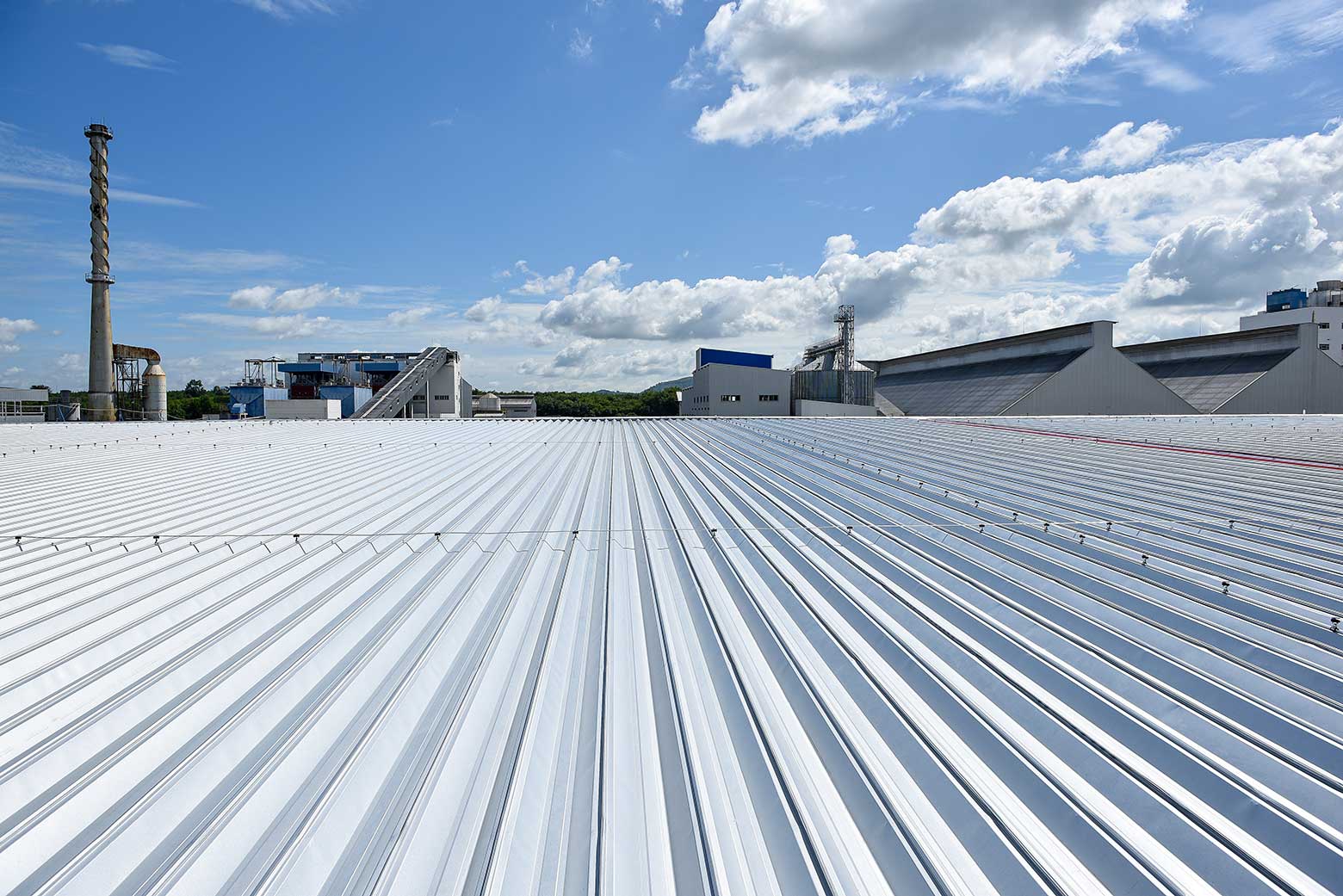
Standing Seam Metal Roofing in Milwaukee, WI
Standing Seam Metal Roofing for Milwaukee commercial buildings. Inspection, documentation, repair, maintenance, and replacement planning.
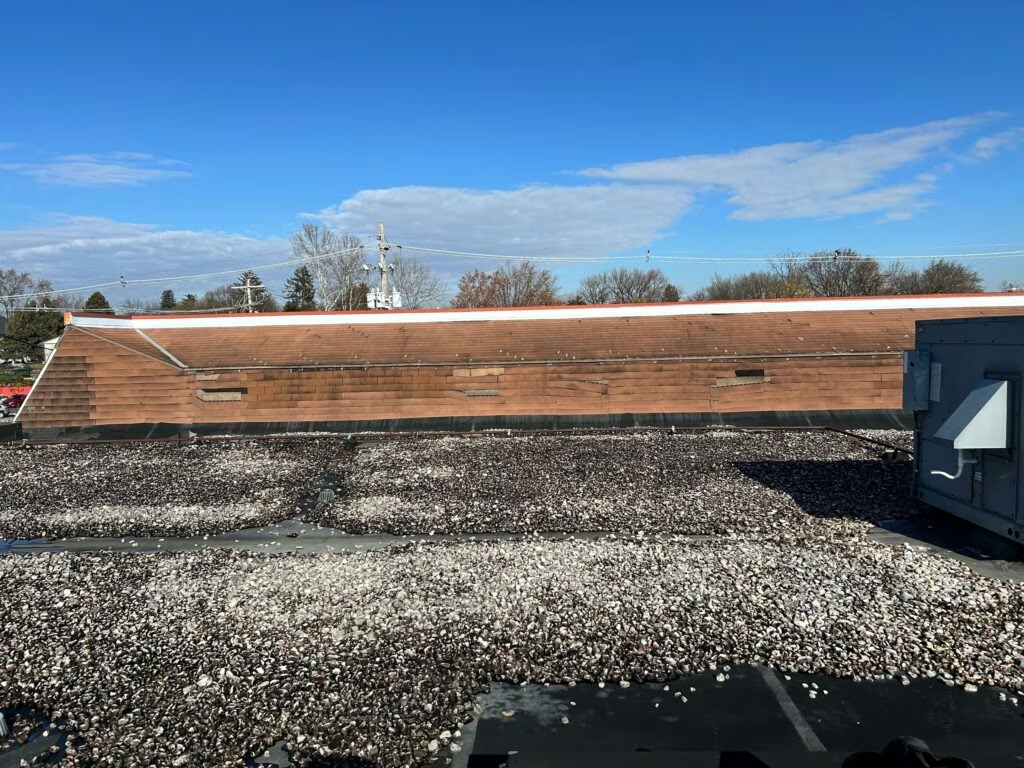
Emergency Tarp Dry In in Milwaukee, WI
Emergency Tarp and Dry-In for Milwaukee commercial buildings. Inspection, documentation, repair, maintenance, and replacement planning.
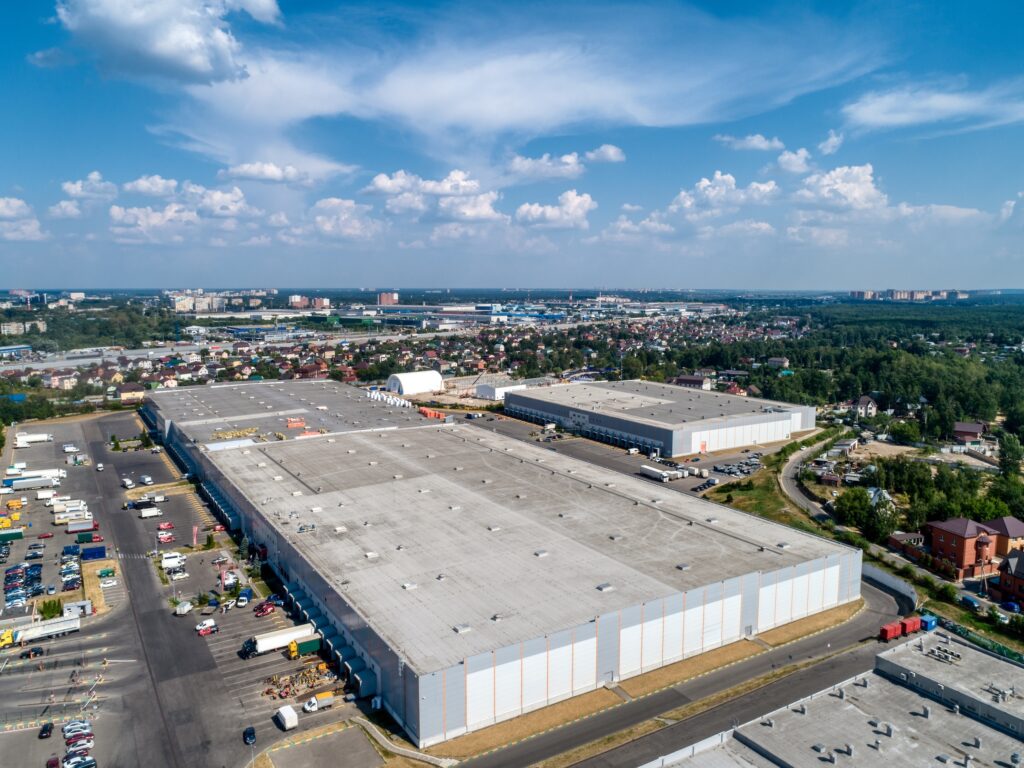
Warehouse and Distribution Center Roofing in Milwaukee, WI
Commercial roofing for warehouses, distribution centers, and industrial facilities throughout Milwaukee, WI. TPO, EPDM, and metal roof systems.
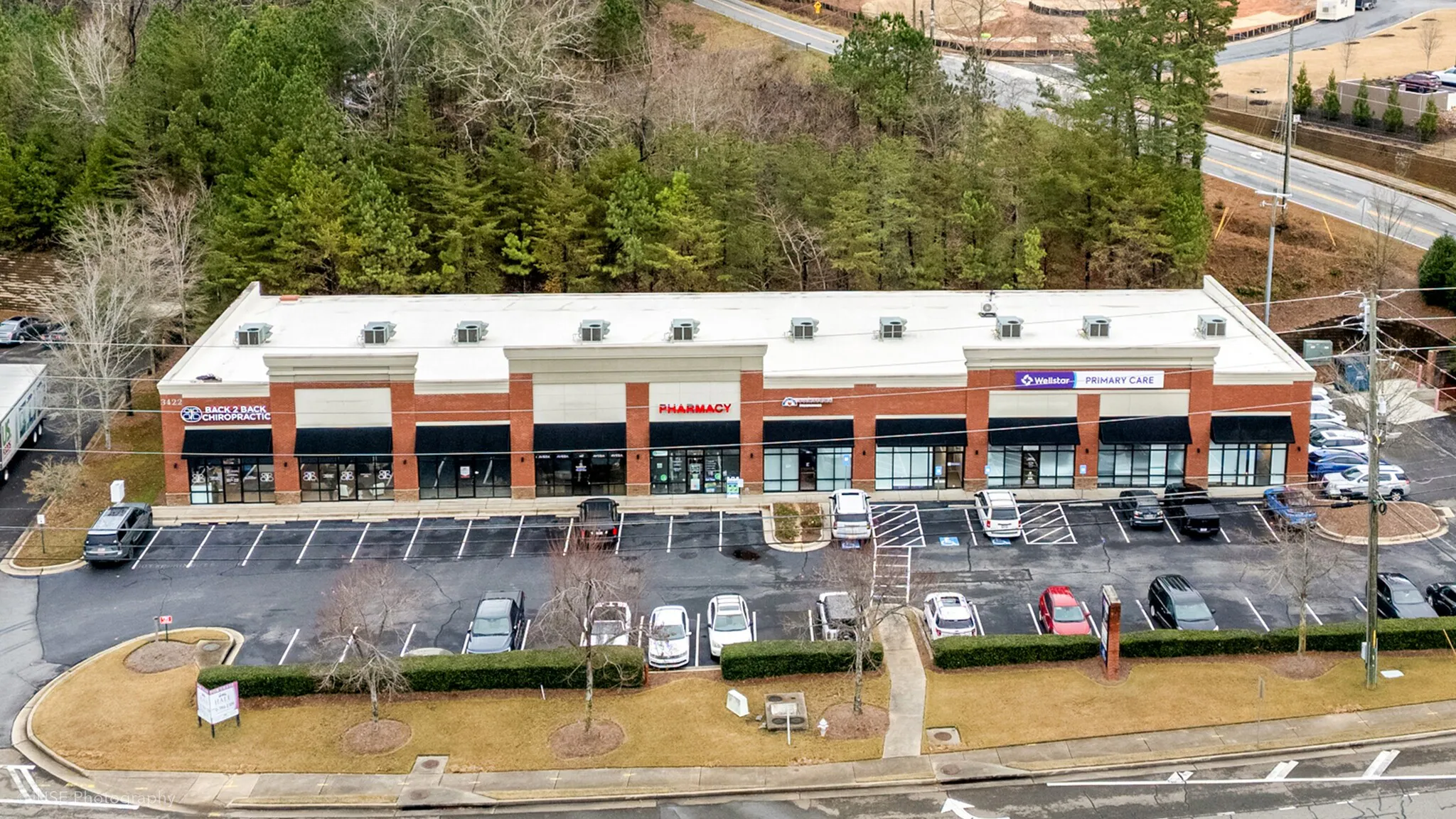
Retail and Shopping Center Roofing in Milwaukee, WI
Commercial roofing for strip malls, shopping centers, anchor stores, and standalone retail buildings throughout Milwaukee, WI.
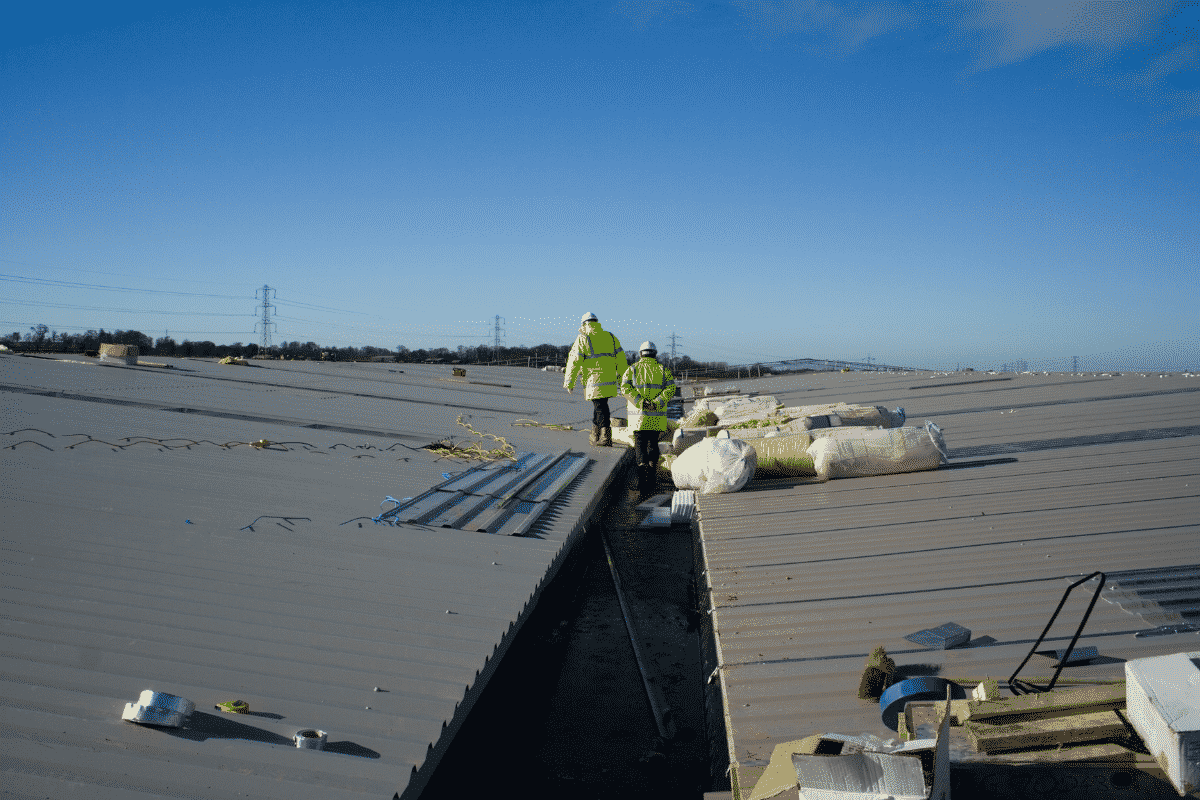
Commercial Roof Preventive Maintenance Program in Milwaukee, WI
Commercial Roof Preventive Maintenance Program in Milwaukee, WI — commercial roofing assessment, documentation, and program management for WI property owners.
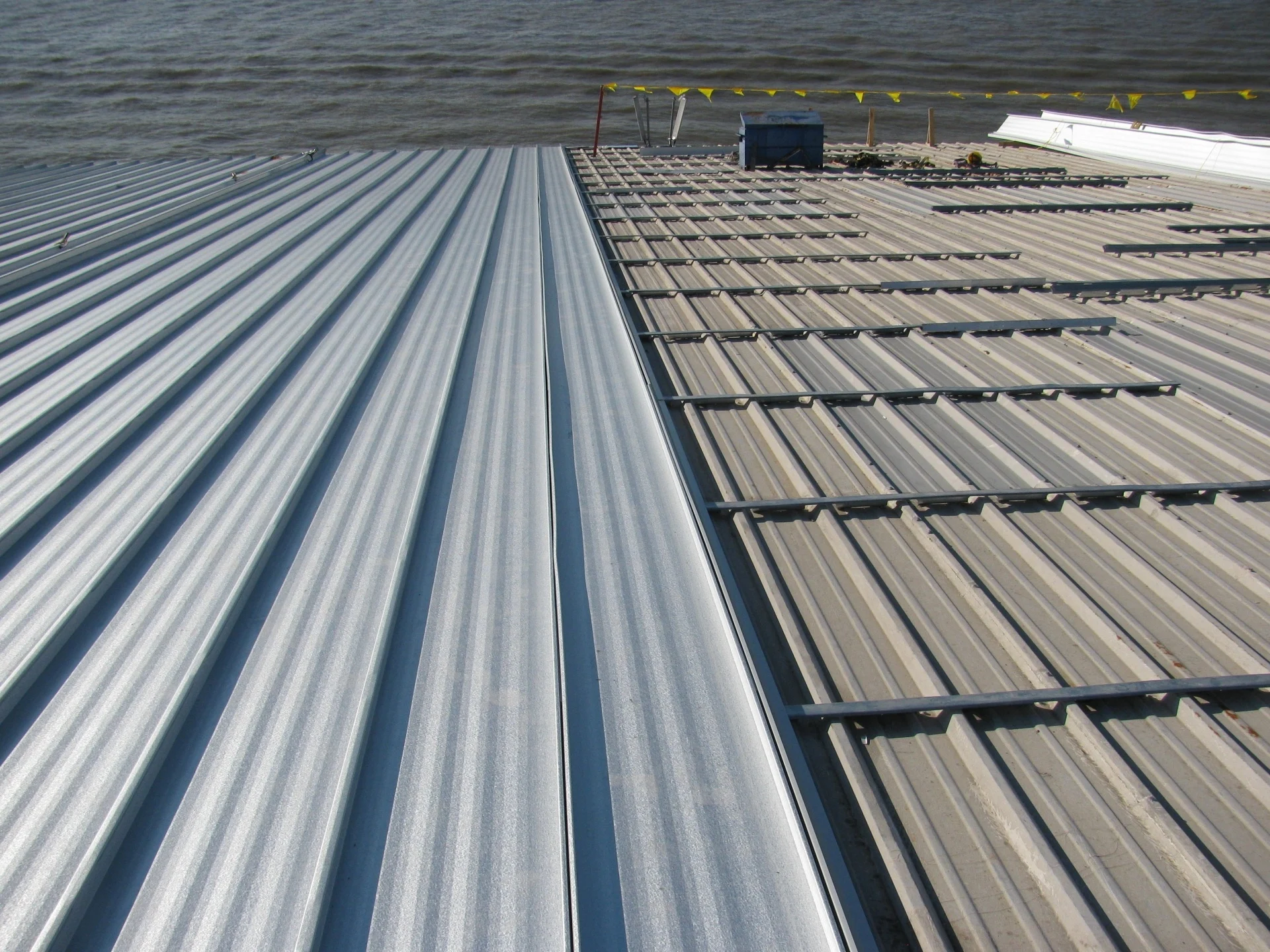
Roof Recover and Overlay in Milwaukee, WI
Roof Recover and Overlay for Milwaukee commercial buildings. Inspection, documentation, repair, maintenance, and replacement planning.
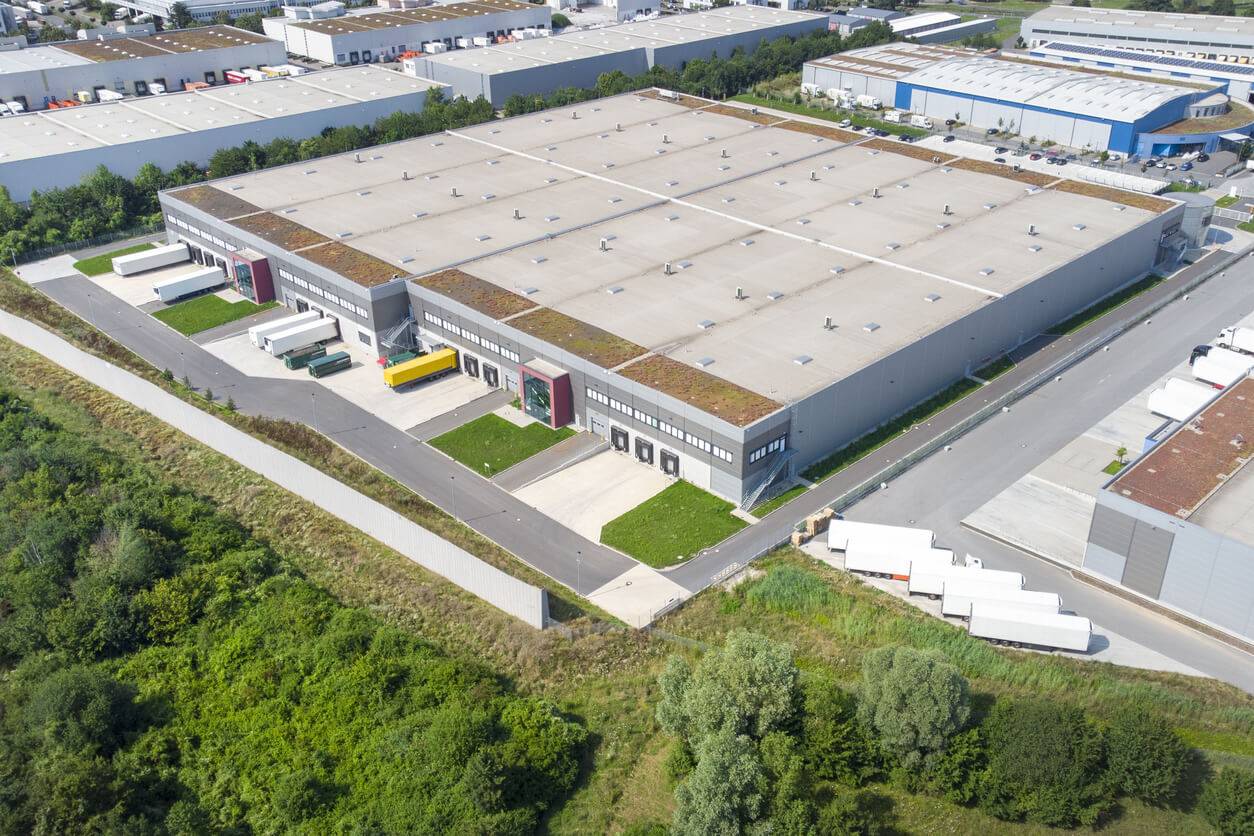
Industrial Roofing in Milwaukee, WI
Industrial Roofing for manufacturing facilities, warehouses, and industrial buildings throughout Milwaukee, WI.
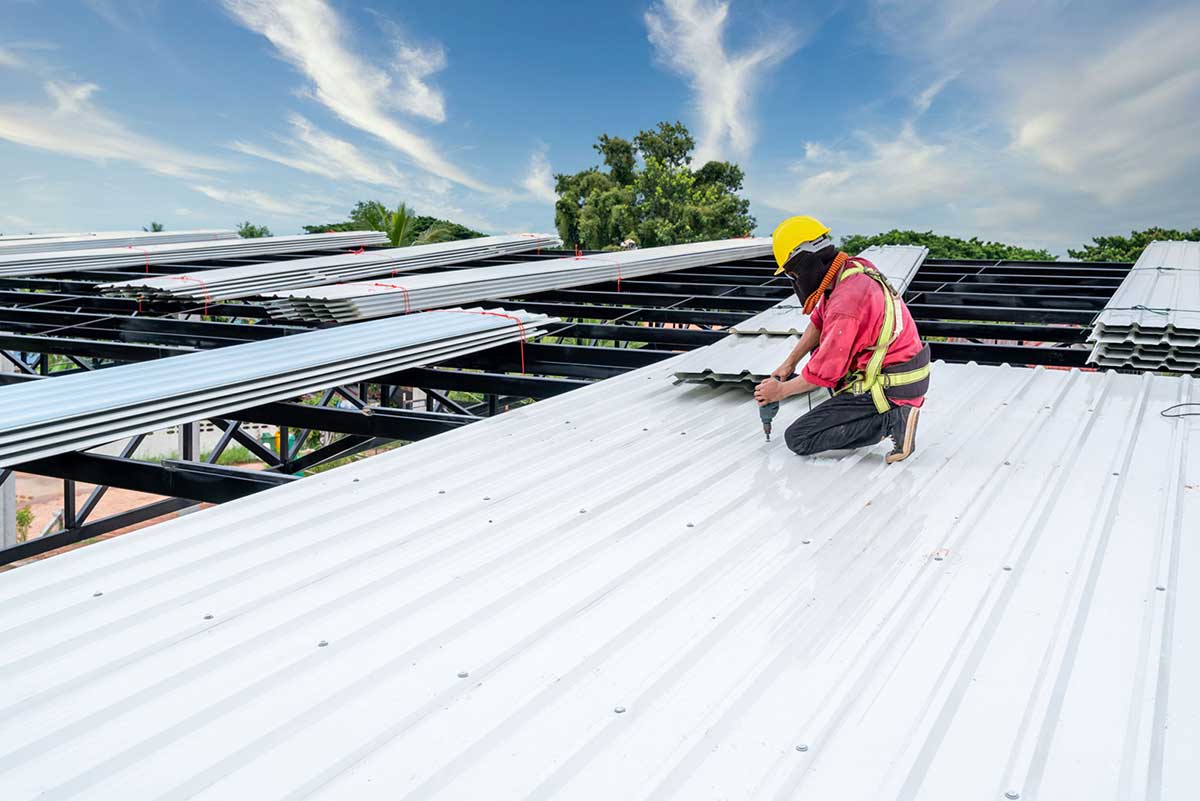
Commercial Re-Roofing in Milwaukee, WI
Commercial Re-Roofing for commercial buildings across Milwaukee.