
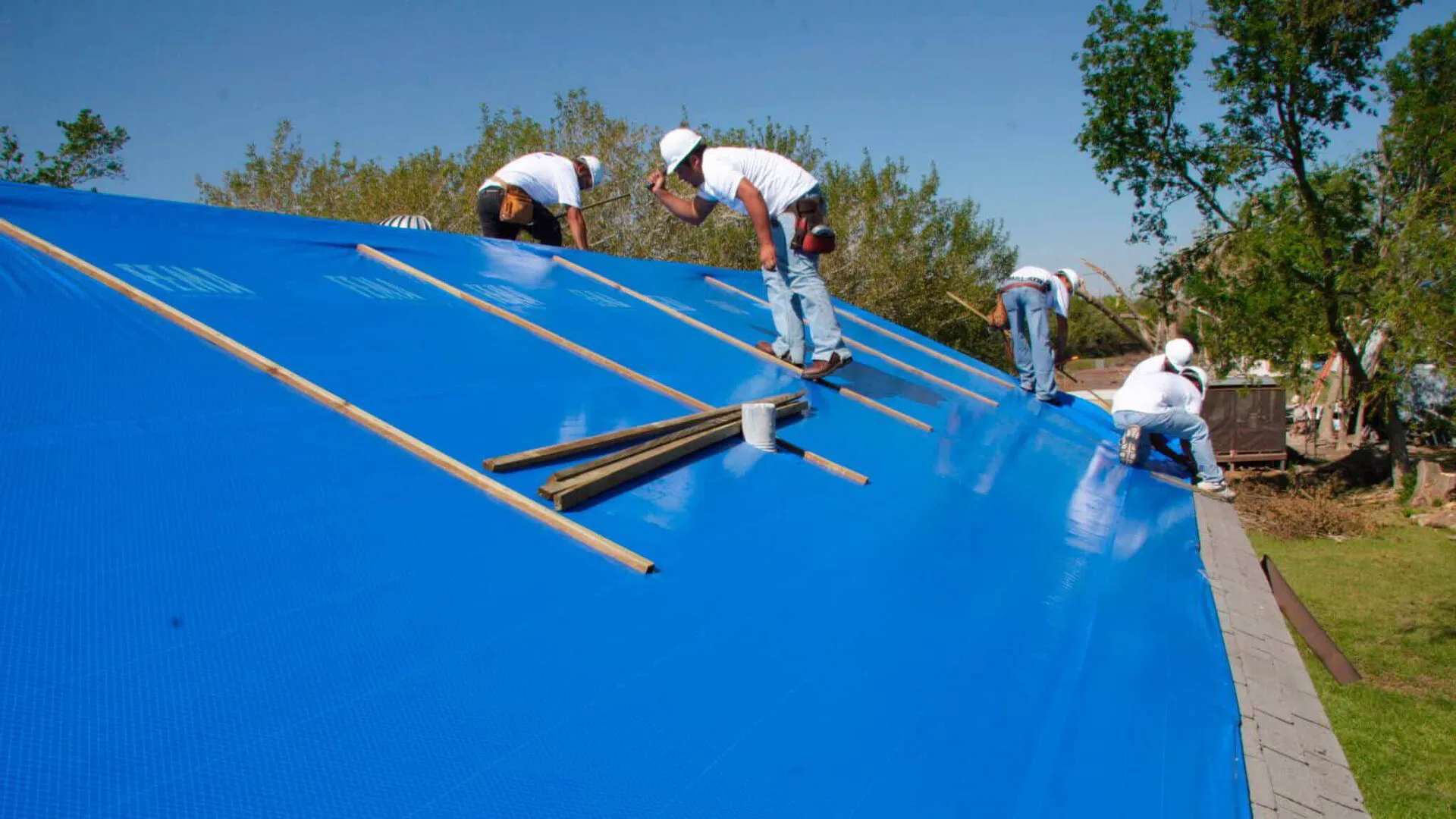
Wind and Storm Damage Roof Insurance Claims in Milwaukee, WI

Severe thunderstorm lines and lake-enhanced gusts off Lake Michigan put real wind load on Milwaukee's flat and low-slope commercial roofs. We inspect and document wind damage so the claim reflects what the roof actually took.
Wind is a different kind of damage than hail. It doesn't leave a clean bruise pattern; it works at edges, seams, and anything not fully adhered, and it can lift a membrane and set it back down without tearing it open. On a Menomonee Valley industrial roof or a converted brewery building in the Third Ward with an aging mechanically-attached membrane, that kind of quiet lift-and-relay damage is exactly what gets missed until the next storm finds the weak spot.
Where wind damage actually shows up
We start at the perimeter, because that's where wind loads concentrate first: parapet coping, edge metal, and the outer few feet of field membrane. On these roofs we check for creased or displaced membrane, pulled fasteners, lifted cover board, and blown or shifted rooftop equipment. Older buildings around downtown and the Harbor District often carry coping and edge details that were never designed for current wind-uplift standards, and those are usually the first thing to fail in a severe line of storms or a derecho-strength gust front.
Documenting what a storm actually did
Every wind-affected area gets photographed and measured, with particular attention to whether the damage is a fresh event or an older condition the storm just exposed. That distinction matters to a carrier: sudden wind damage is generally covered, gradual deterioration usually is not, and a roof file that can show the difference protects the claim. We also probe for wet insulation anywhere the membrane was lifted, since water can get underneath a re-laid membrane even where the surface looks intact again.
Getting through the adjuster visit
We try to walk the roof with the adjuster, pointing to the same edge conditions, displaced metal, and membrane creasing already documented in our file. A roof this size can hide a lot from a short visual inspection, and having the specific locations flagged in advance keeps the visit from missing anything. If the resulting scope leaves out edge securement or code-required upgrades triggered by the repair, we can put together additional documentation to support a revised estimate.
We're your roofing contractor, not a public adjuster — we document and substantiate the wind damage so you and your adjuster work from an accurate scope. If a recent storm line moved through the area and you're not sure whether the roof took damage, that's worth a documented walk before the next round of weather tests it again.
Questions owners ask
How much wind does it take to damage a commercial roof in Milwaukee?
Sustained thunderstorm winds in the 50-60 mph range, and gusts well above that during a derecho or severe squall line, are enough to lift a poorly adhered membrane edge or peel back loose flashing.
What does wind damage look like on a flat roof?
Membrane peeled back from a parapet or curb, fasteners pulled through cover boards, blown insulation boards, displaced coping caps, and creased or torn field membrane where wind got under an open seam.
Is wind damage always obvious from the ground?
No. A membrane can be lifted and re-laid by the wind without an obvious tear, leaving weakened adhesion that won't show a leak until the next storm.
Does a derecho or severe thunderstorm count as wind damage for a claim?
Most commercial policies cover sudden wind events, but the roof's pre-storm condition can affect how the claim is evaluated. Documentation that separates storm damage from pre-existing wear matters here.
Do you file the wind damage claim for us?
No. We inspect and document the wind damage so you and your adjuster have an accurate scope. We're your roofing contractor, not a public adjuster, so filing and negotiating stays with you, your broker, and the carrier.

Tell us the storm date, the building address, and what you've noticed since. We'll schedule a wind-damage inspection and document what's found for your records.
Related roof pages

Commercial Roof Insurance Claim Assistance in Milwaukee, WI
The full pillar page on how we document and support a Milwaukee commercial roof claim.
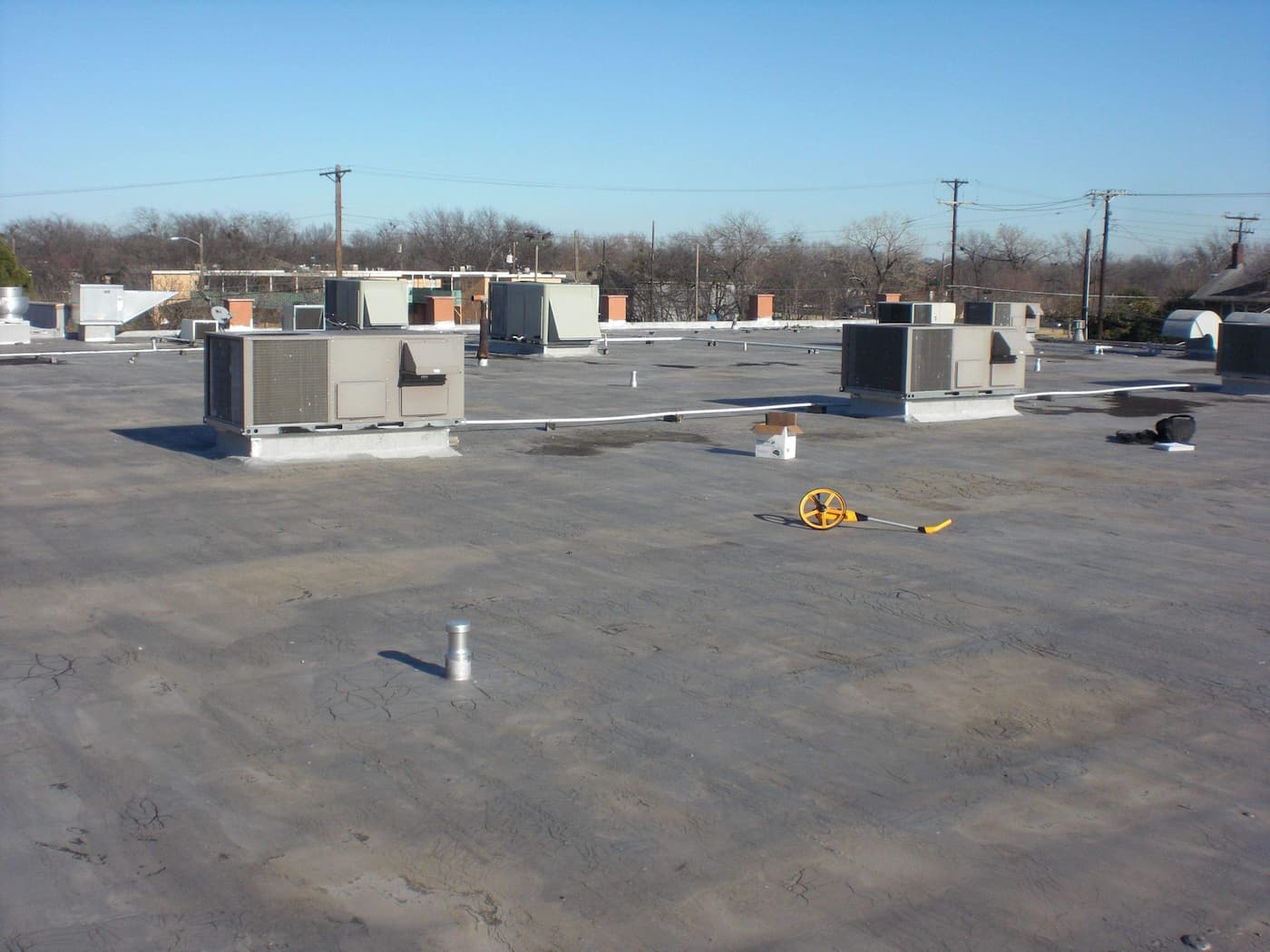
Hail Damage Roof Insurance Claims in Milwaukee, WI
Documentation for hail-bruised membranes and metal after a southeastern Wisconsin hailstorm.
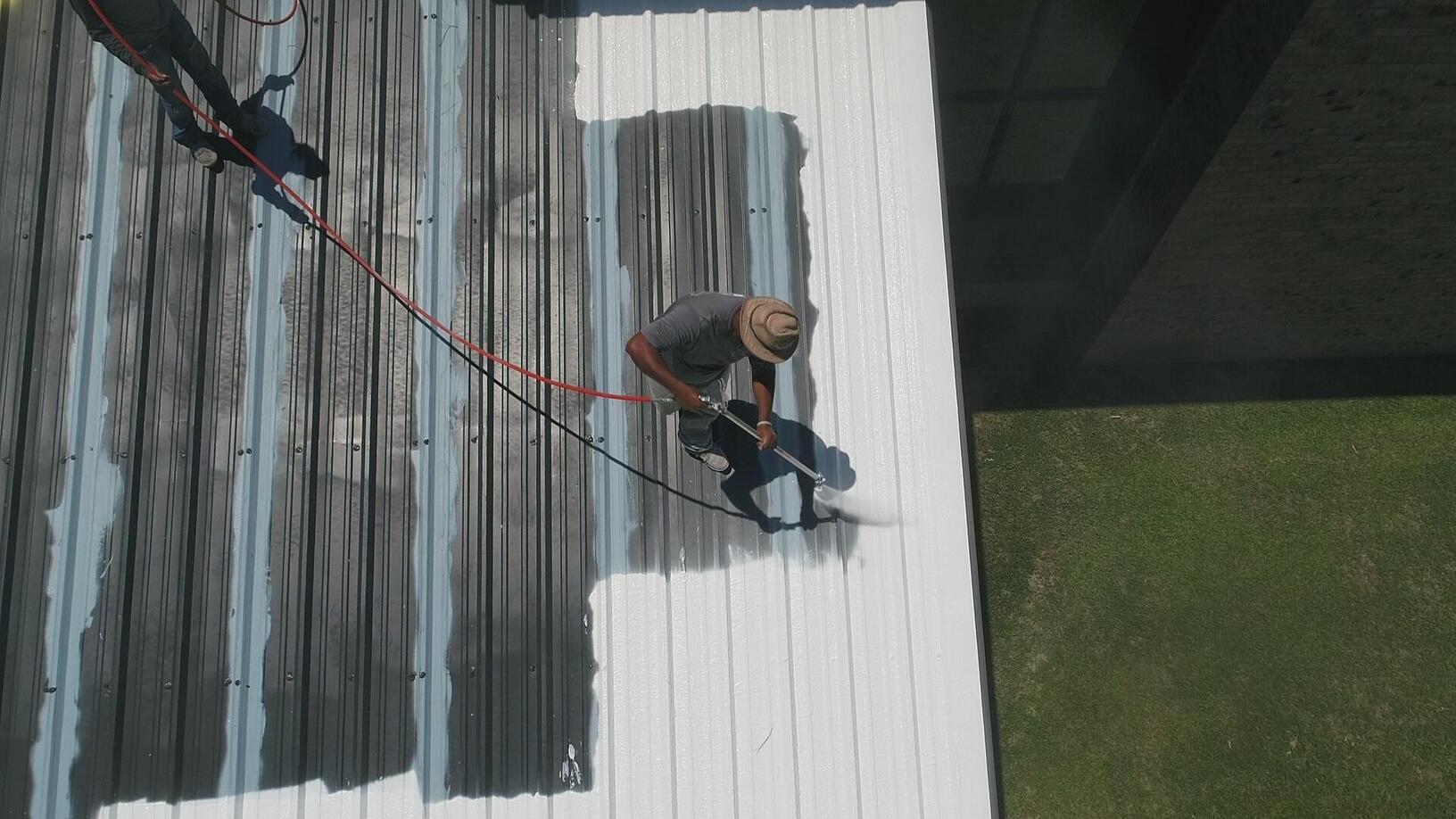
Insurance Claim Roof Documentation in Milwaukee, WI
The photo, measurement, and repair-note file that supports a Milwaukee commercial roof claim.
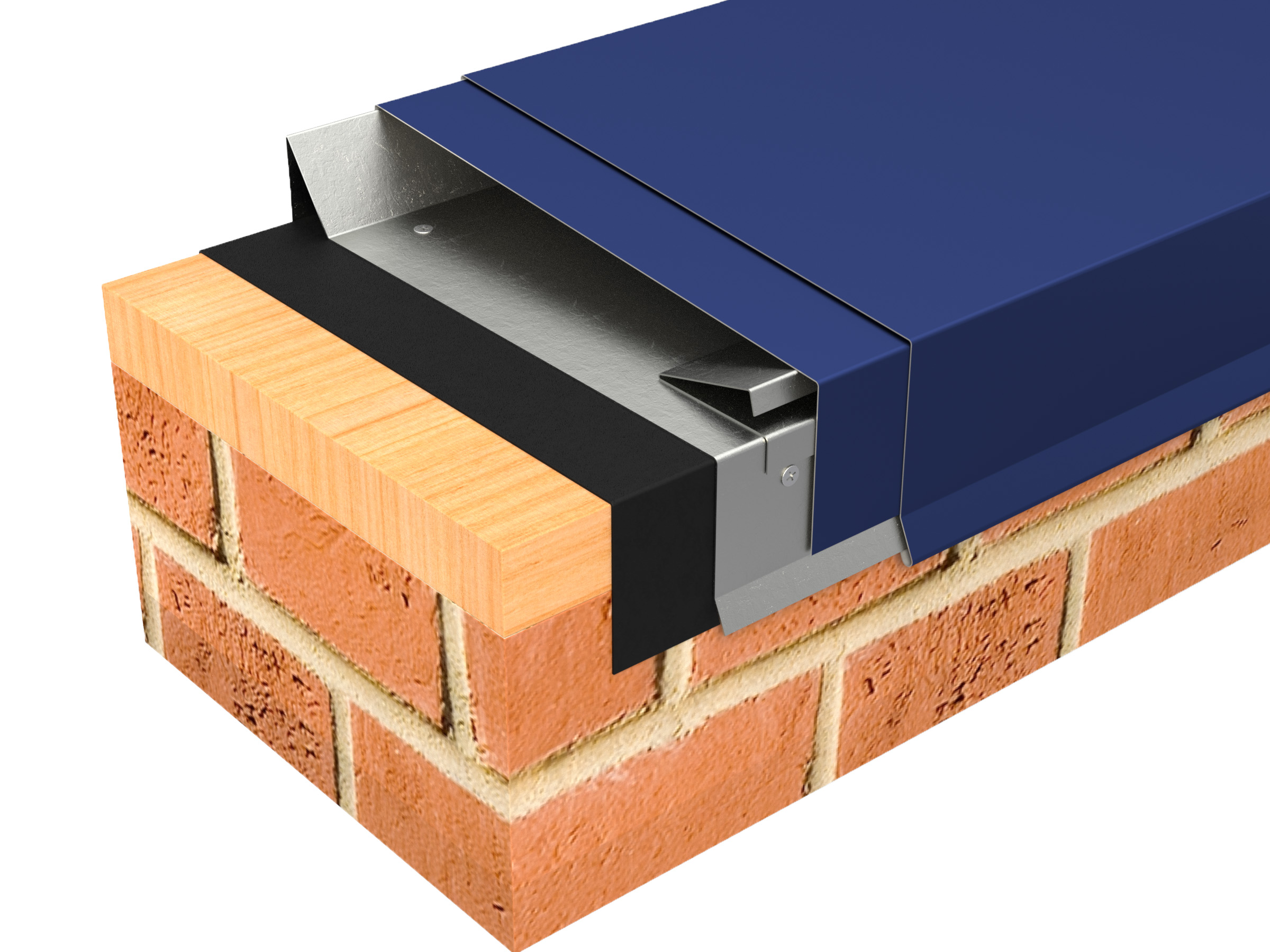
Edge Metal, Coping, and Gutters in Milwaukee, WI
Edge Metal, Coping, and Gutters for Milwaukee commercial buildings.
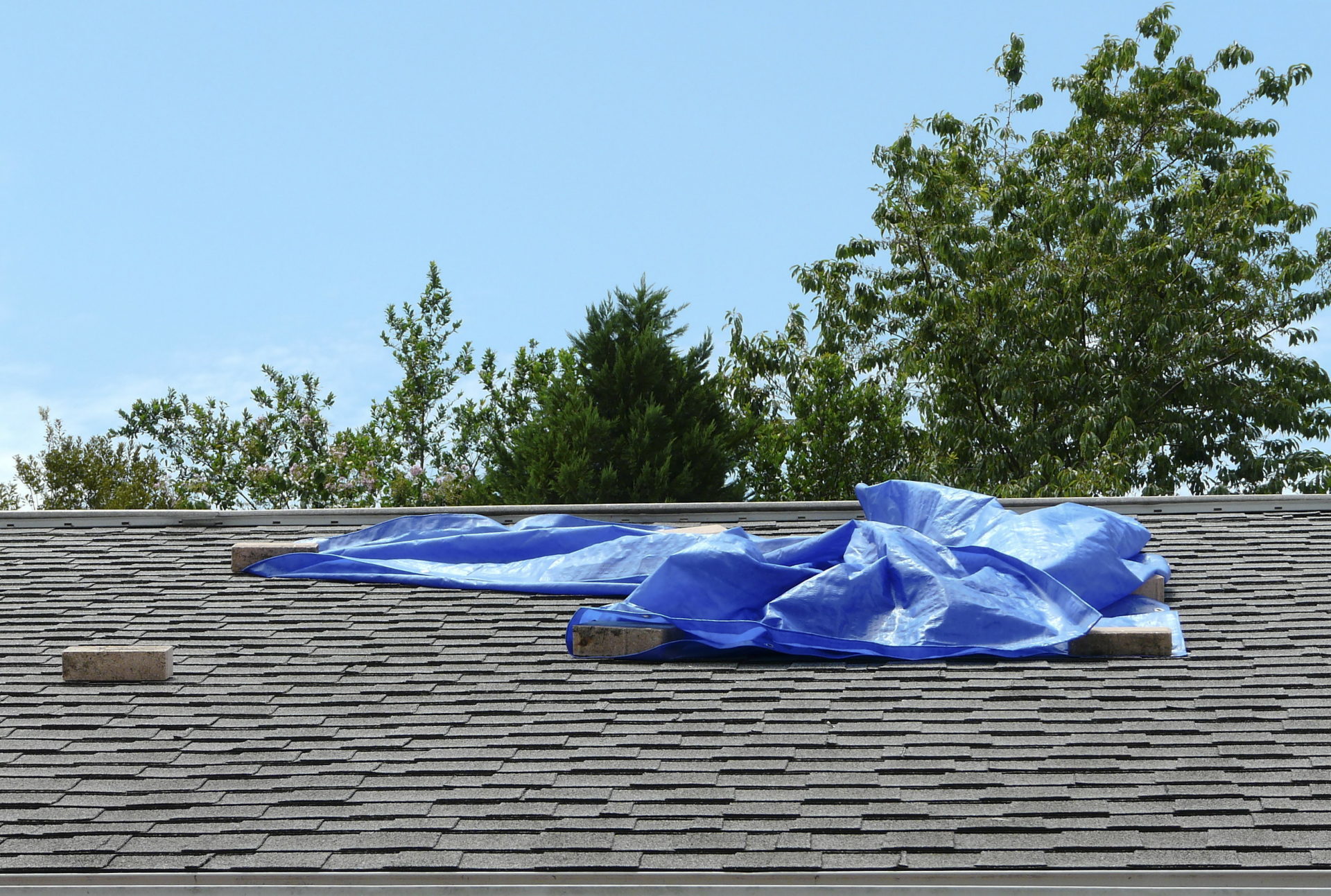
Emergency Tarp Dry In in Milwaukee, WI
Fast temporary dry-in after storm damage to stop interior loss while a claim moves forward.
Commercial Roof Leak Repair in Milwaukee, WI
Commercial Roof Leak Repair for Milwaukee commercial buildings.